Canada is bracing for the possibility that sweeping 50 percent tariffs on its exports to the United States will take effect at midnight, unless a last-minute trade truce is reached. President Trump has threatened to impose the tariffs in response to what he calls discriminatory trade practices by Ottawa.
The tariffs, announced last month, are being implemented under Section 338 of the Tariff Act of 1930, a rarely used law that allows the president to levy tariffs of up to 50 percent on countries found to discriminate against U.S. products. Notably, Section 338 does not require an investigation before tariffs are imposed, giving the administration broad discretion.
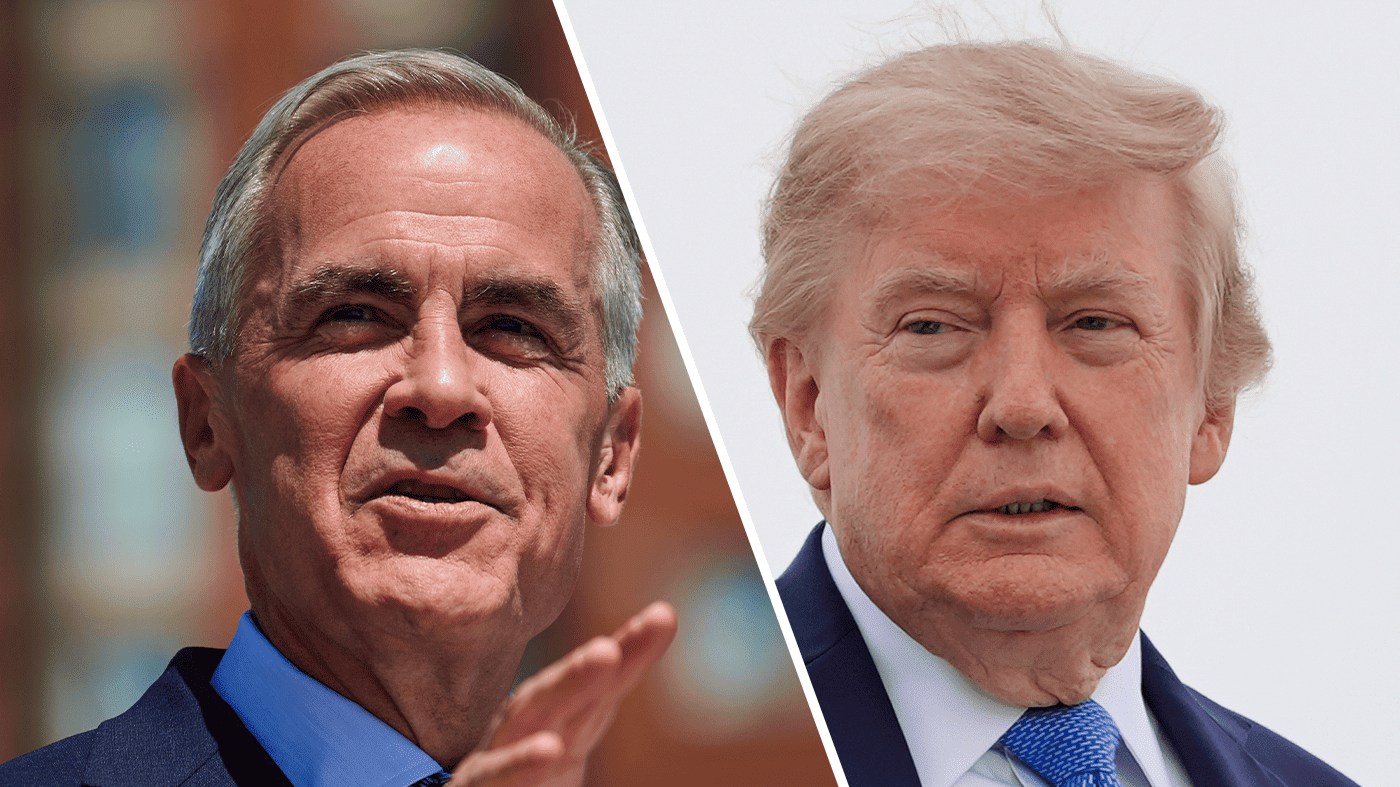
Canadian Prime Minister Mark Carney described the ongoing negotiations as “very intense and delicate.” Trump and Carney spoke by phone on Monday and are expected to talk again on Tuesday. Kelly Ann Shaw, a former senior White House trade adviser, said both sides are likely working hard to avoid the tariffs. “I think that the parties are probably doing everything they can to stave off those tariffs going into effect,” she said, adding that such negotiations “always go up to the brink, particularly when the stakes feel high.”
Shaw predicted that any announcement of progress—or lack thereof—might come late Tuesday night, possibly close to the midnight deadline. “I would not be surprised to see some sort of announcement of progress or lack of progress either late tonight or even getting as close to midnight,” she said. “I just think these are big issues; they’re hard issues, and it’s going to take until the last minute to see if we’ve got a deal. But even if we don’t have a deal by midnight tonight, there’s nothing stopping the parties from continuing to negotiate.”
The tariffs would apply to a range of Canadian goods, from wine to hockey sticks to cement, and would affect roughly 5 percent of Canadian exports to the U.S. The administration has signed three Section 338 actions, including one targeting Canadian discrimination against U.S. autos, dairy, and alcohol. This marks the first time Section 338 has been used.
A senior administration official said last month that Canada has “retained substantial retaliation against the United States” and must be “held accountable for this continued discrimination.” The U.S. already has tariffs on Canadian steel, aluminum, and softwood lumber, plus a 10 percent tariff related to forced labor trade rules.
Trump has made tariffs a cornerstone of his second term. After the Supreme Court struck down his “liberation day” tariffs, he used Section 122 for balance-of-payment deficits (limited to 150 days) and then Section 301 of the Trade Act of 1974 for forced labor violations, imposing tariffs ranging from 10 to 12.5 percent. Canada and China were the only countries to retaliate against the liberation day tariffs, which has made Canada a particular focus.
U.S. Trade Representative Jamieson Greer said Friday that the U.S. will not tolerate retaliation. “If a country retaliates against us, we’re obviously not going to tolerate that,” he said. “We’ll take action. My sense is the Canadians, they want to have a more conciliatory approach, but we’ll see.” He noted that the U.S. has had “major trade issues with Canada” for decades.
Shaw said that by invoking Section 338, the administration is “shifting the board game and trying to unlock a longstanding stalemate.” Carney, however, said Canada is ready to respond. “We’re ready because we have been focusing on what we can control,” he said. “If these tariffs, or other measures, come into force, there’s a full range of things that we can do in that regard.”
Alfredo Carrillo Obregon, a trade policy analyst at the Cato Institute, said there is pressure on both sides to avoid backing down unless a comprehensive deal is reached. “It’s hard because the issues at hand are sensitive for Canadians and also sensitive for Americans,” he said.
Some goods on the tariff list were previously protected by the United States-Mexico-Canada Agreement, which is set to expire in 2036 after Trump declined to renew it, opting instead for yearly reviews. While the U.S. and Mexico have held discussions about the agreement, Canada and the U.S. have not. Shaw suggested that the Section 338 tariff negotiations could bring Canada back to the negotiating table.