
The summer travel season is in full swing, with packed planes, elevated jet fuel costs, and ticket prices that have climbed sharply. For passengers on direct flights, a late arrival is an annoyance. But for the millions who connect through hub airports, a 15-minute delay can cascade into hours—or days—of disruption. The problem, aviation analysts argue, is that the metrics used to measure air travel reliability don't capture the true cost for connecting passengers.
According to Federal Aviation Administration data, roughly 25 percent of the 25,000 daily scheduled flights arrive late—defined as 15 minutes or more past the scheduled time. That means about 6,000 flights daily are officially delayed. But for connecting passengers, a 14-minute delay is still a missed connection if the layover is tight, says the FAA's own classification system.
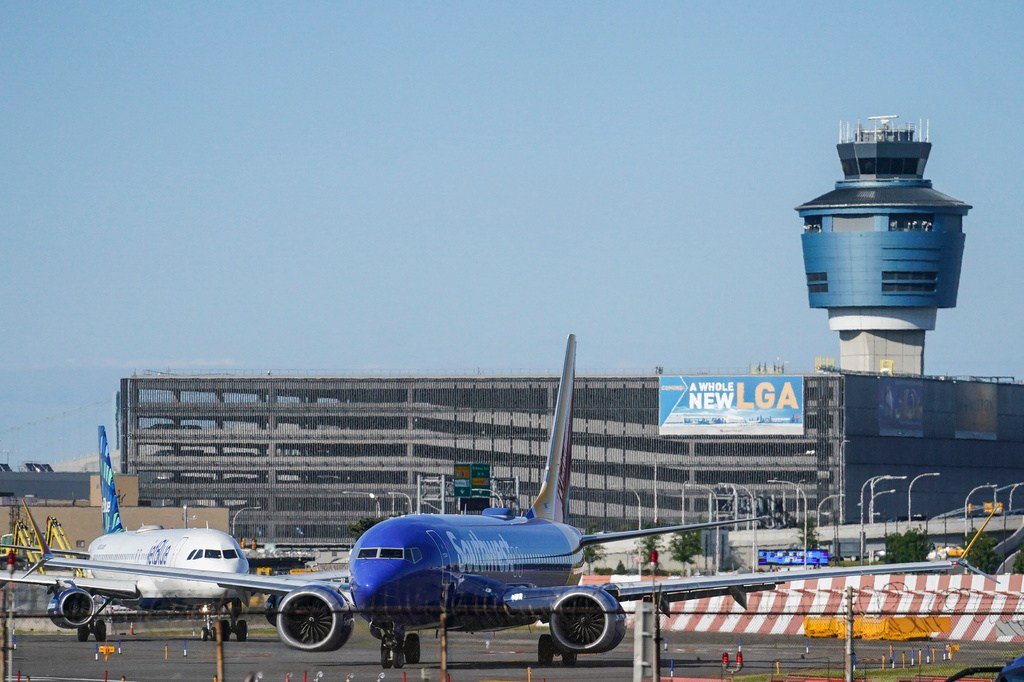
At airports like Atlanta Hartsfield-Jackson, more than 60 percent of travelers are connecting to another flight, based on 2018 figures. Charlotte Douglas International Airport, an American Airlines hub, sees over 70 percent of its passengers in transit. Other major hubs—Chicago O'Hare, George Bush Intercontinental, Washington Dulles, Detroit Metro, and Minneapolis-St. Paul—all report connection rates above 40 percent. For these passengers, the standard on-time performance metric is nearly irrelevant.
“What matters to a connecting traveler is not whether the first flight landed 14 minutes late, but whether they made their next flight,” said one industry expert. “The current system measures the wrong thing.”
The call for change comes as the aviation system faces multiple strains. The first half of 2026 has been a rollercoaster of delays and disruptions, from TSA officer pay issues linked to government shutdowns to air traffic controller shortages and severe weather. The January 2025 collision between an American Airlines regional jet and an Army Blackhawk helicopter over the Potomac also rattled public confidence. The National Airspace System remains complex, involving the FAA, TSA, aircraft manufacturers like Boeing and Airbus, and nearly 20,000 airports handling over 16 million flights annually.
Despite these challenges, the system generally operates safely and reliably on clear-weather days. Airlines build slack into schedules to account for taxiing and expected delays. But when weather or other factors cause delays, connecting passengers bear the brunt. The FAA has already imposed capacity limits at Chicago O'Hare this summer to manage congestion.
Critics say the FAA should require airlines to report the percentage of connecting passengers who miss their connections at each hub airport. Such data, they argue, would give travelers a clearer picture of the risk they take when booking through a particular hub. It would also help the FAA decide where to impose capacity constraints and allow passengers to choose less risky connection points when options exist.
“For passengers without connections, late flights are a nuisance,” said the expert. “For those with connections, they can be catastrophic. The industry owes them transparency.”
The push for better data comes amid broader concerns about aviation reliability. The TSA is gearing up for 18.7 million passengers over the July 4 holiday and the World Cup surge, a massive test of the system's capacity. Meanwhile, the FAA is investigating a phone fire aboard a British Airways flight to Las Vegas, underscoring the safety challenges that persist.
Adding a missed-connection metric would be a relatively low-cost reform, analysts say. Airlines already track this data in their reservation systems. Publishing it for each hub airport would provide the public with a more honest picture of travel risk—and perhaps pressure airlines to improve scheduling or offer better rebooking options.
“The FAA has the authority to ask for this information,” the expert concluded. “If they want to truly advocate for air travelers, they should use it.”