Municipal Grocery Initiative Sparks Debate Over Market Intervention
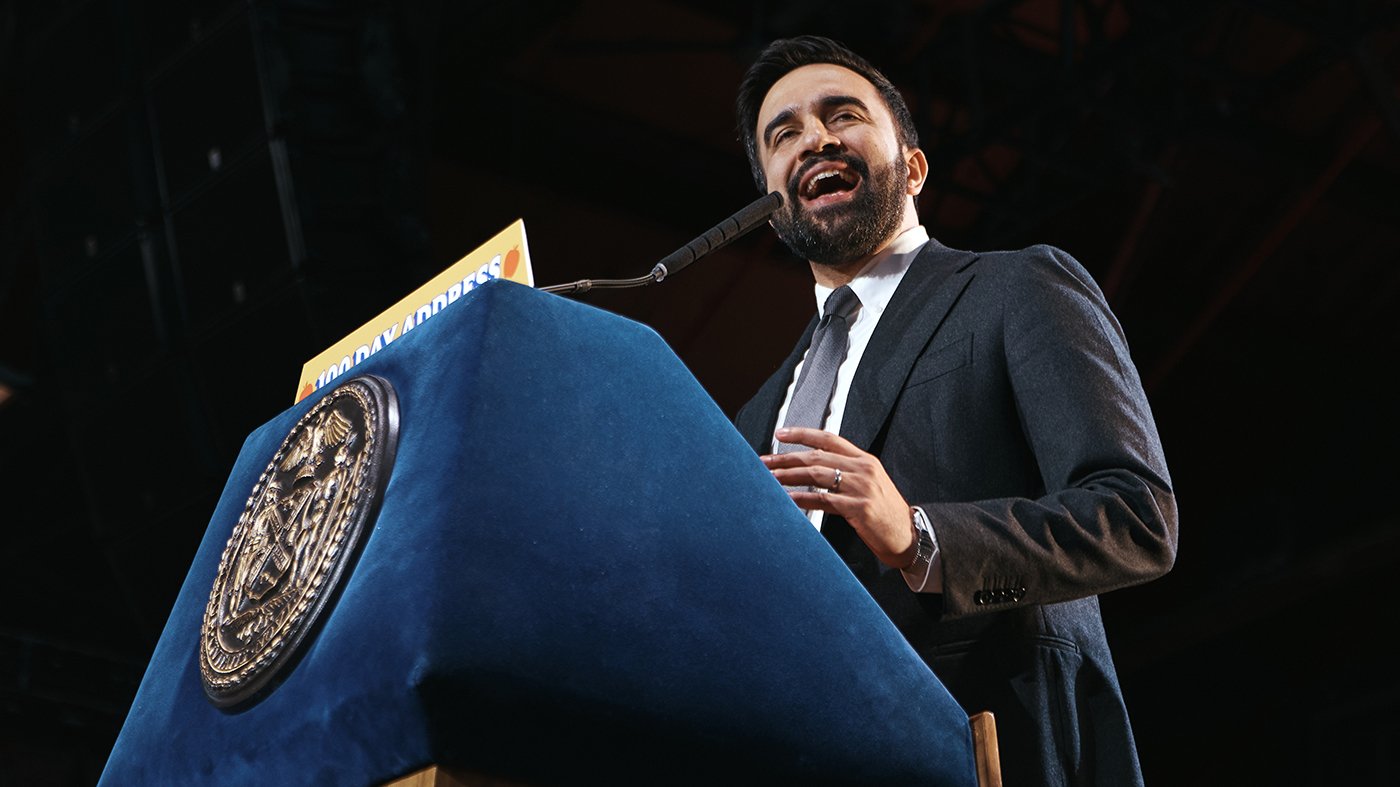
New York City Mayor Zohran Mamdani's proposal to establish a network of five city-owned grocery stores across the boroughs is encountering significant resistance from local business owners and political observers. The democratic socialist mayor announced the first location at La Marqueta in East Harlem during a rally marking his administration's first 100 days, with plans to open the Manhattan outlet by 2029 and all five stores operational by the end of his first term.
The $70 million initiative represents a core campaign promise from Mamdani, who argues that corporate control of the food supply chain has driven up prices and made basic necessities unaffordable for many residents. "A public option allows us to intervene where the market has failed," Mamdani stated, positioning the stores as a solution to food insecurity and the city's broader affordability crisis. He contends that by avoiding rent and property taxes, the municipal stores can offer lower prices on staples like eggs and bread, though specific pricing details remain undefined.

Small Business Concerns Mount
Local bodega owners and independent grocers have raised alarms about what they describe as unfair competition from a government-backed entity. Antonio Pena, president of the National Supermarket Association, called the plan "a slap in the face" to the 450 independent stores his organization represents in New York City. These businesses operate on thin margins while paying taxes and competing against national chains without similar advantages.
Veteran Democratic strategist Hank Sheinkopf questioned the proposal's financial understanding, asking, "How does the mayor know what this will really cost? Does he understand the slim margins under which small grocers function?" Sheinkopf characterized the plan as "charisma in action paid for by others," reflecting broader skepticism about its economic viability.
The proposal requires City Council approval, and Speaker Julie Menin has not committed to supporting it. Her spokesperson indicated the Council would review the plan while "assessing its potential impacts on consumers and local small businesses, including bodegas." This scrutiny comes as Mamdani's administration confronts fiscal challenges during its early months.
Political and Practical Objections
Opposition extends beyond immediate business concerns to broader ideological critiques. Republican supermarket mogul John Catsimatidis, owner of Gristedes and D'Agostino chains, denounced the proposal in a Wall Street Journal op-ed as "a delusional notion in the name of radical socialism that would destroy everything we've built." He previously threatened to close his New York stores if Mamdani won the election, warning the plan "would collapse our food supply, kill private industry, and drag us down a path toward the bread lines of the old Soviet Union."
Fernando Mateo, spokesperson for United Bodegas of America, predicted operational chaos, suggesting the five stores would be overwhelmed serving over 8 million residents. "You're going to have people rushing to these stores early in the morning to late at night, waiting on long lines," Mateo said. "It's a great punch line for him and for the socialist movement, but New York is not a socialist city."
GOP political consultant Bill O'Reilly expressed concern about potential expansion if the initial stores succeed, warning that "government stores will put every nearby free-market bodega out of business." This criticism emerges as Mamdani's approval ratings trail those of his predecessor at a similar point in office.
The debate over municipal groceries occurs alongside other contentious policy proposals from the mayor's office, including a proposed tax on luxury second homes in the city. As the City Council prepares to review the grocery plan, questions about implementation costs, pricing mechanisms, and impacts on existing retailers remain unanswered by City Hall, setting the stage for a protracted political battle over the role of government in New York's food economy.