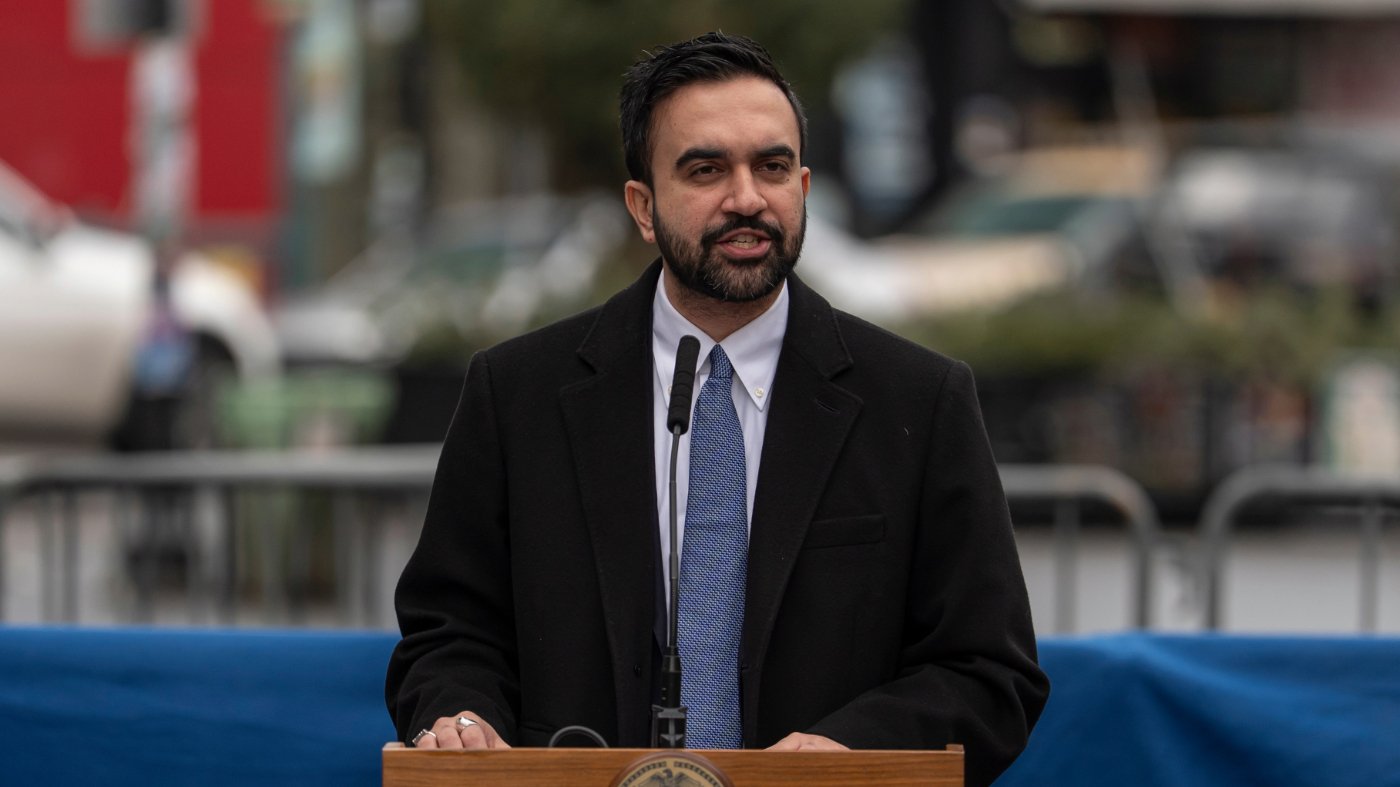
A new survey from the Marist Institute for Public Opinion reveals a divided but cautiously optimistic electorate as Mayor Zohran Mamdani approaches the symbolic 100-day milestone of his administration. The poll, conducted in late March, shows 48% of New York City residents approve of the job the city's first democratic socialist mayor is doing, while 30% disapprove and 23% remain unsure.
While a clear plurality backs the mayor, his initial approval rating underperforms that of his immediate predecessor. Former Mayor Eric Adams enjoyed a 61% approval rating at a similar point in his tenure in 2022, with only 24% disapproval. Mamdani's numbers more closely mirror those of former Mayor Bill de Blasio in 2014, who had 49% approval after his first 100 days.
Personal Favorability and Shifting City Mood
The mayor's personal standing appears slightly stronger than his job performance rating. A majority of New Yorkers—55%—report having a favorable view of Mamdani personally, compared to 33% who hold an unfavorable view. This personal capital may prove crucial as he advances his policy agenda.
Perhaps the most striking finding is a dramatic reversal in the city's perceived trajectory. Currently, 56% of residents believe New York is moving in the right direction, while 43% say it is on the wrong track. This marks a significant shift from October 2025, just before Mamdani's election, when only 31% felt the city was headed the right way and 66% believed it was off course.
Perceptions of Leadership and Campaign Promises
The poll indicates voters largely credit Mamdani with effort and intent. An overwhelming 74% say he is working hard as mayor. Furthermore, 61% believe he understands the city's problems, is a good leader, cares about people like them, and is doing more to unite than divide the city. A related 60% think he is fulfilling the campaign promises he made centered on the affordability crisis.
Mamdani narrowly won the November 2025 election with 50.9% of the vote, defeating former Governor Andrew Cuomo (41.4%) and Republican Curtis Sliwa (7%). His early focus has remained on the housing and cost-of-living issues that defined his campaign. The poll suggests this focus is resonating, with many residents reporting they see him actively working to implement his plans. This early test of governing amid an affordability crunch mirrors challenges faced by other new executives, such as Virginia Governor Abigail Spanberger, who has also seen her approval tested by economic pressures.
Governing Amid Broader Political Context
The mayor's early tenure unfolds against a complex national and international backdrop where executive leadership is constantly scrutinized. From debates over presidential authority in defense matters to departmental overhauls like the Interior Department's workforce reduction initiative, new administrations are immediately measured by their action and stability. Mamdani's poll numbers offer an initial quantitative snapshot of how his unique political brand is translating from campaign rhetoric to municipal governance.
The Marist survey was conducted from March 26-31, 2025, and included 1,454 New York City residents. It carries a margin of error of +/- 3.3 percentage points. As Mamdani moves beyond his first 100 days, his ability to maintain and grow this base of support will depend on translating perceived effort into tangible results for New Yorkers.