Virginia Governor Faces Early Political Headwinds
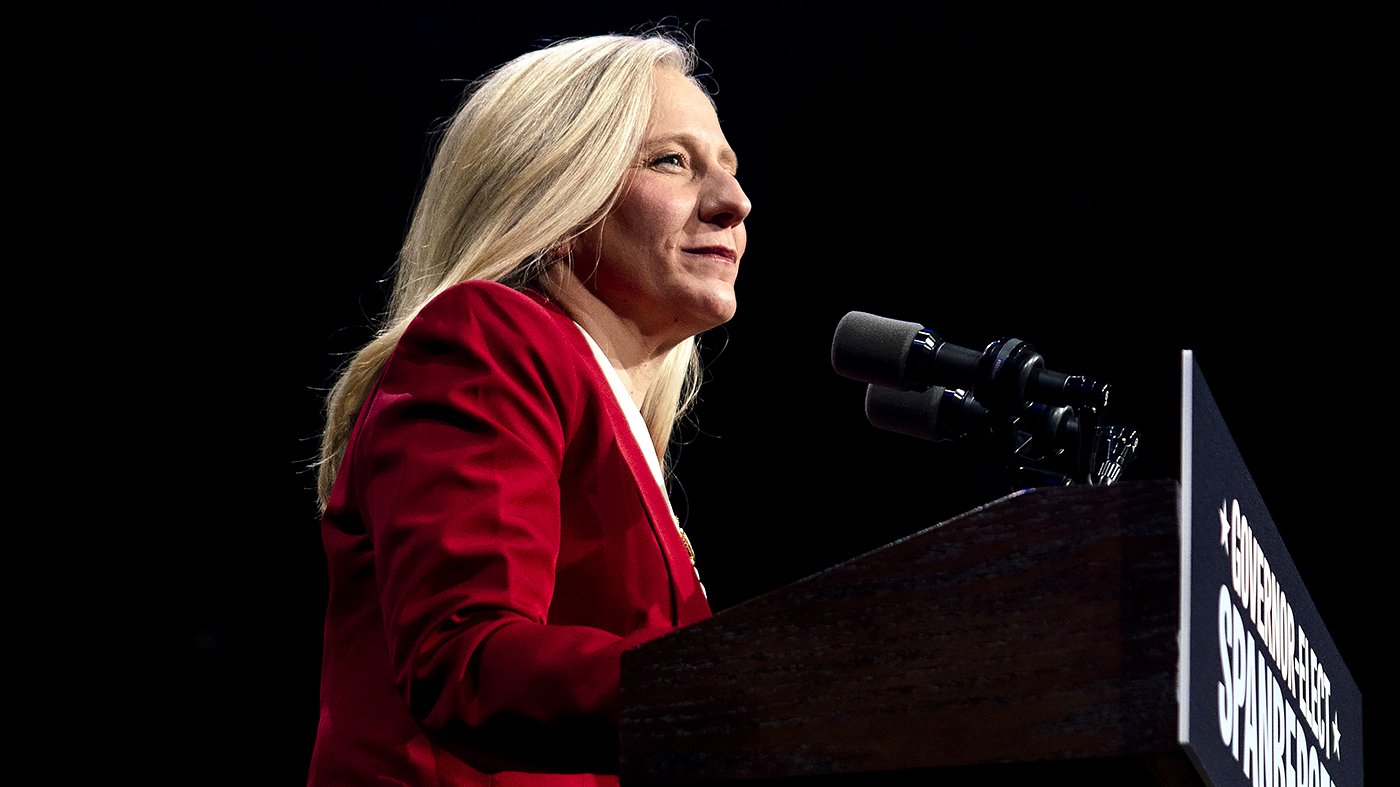
Political analyst Larry Sabato has characterized Virginia Governor Abigail Spanberger's decline in voter approval during her initial months in office as "stunning," pointing to polling that shows her standing well below historical norms for the state's executives.
A Washington Post-Schar School survey conducted in late March shows Spanberger with a 47% approval rating, while 46% of registered voters disapprove of her performance. The figure places her 13 percentage points below the average approval rating for Virginia governors tracked since the 1990s. Independent voters are nearly evenly divided, with 45% approving and 46% disapproving.
Policy Moves Draw Scrutiny
Spanberger, a Democrat who won election by a 15-point margin last November, moved quickly on several campaign pledges upon taking office. She issued an executive order limiting state agency cooperation with federal immigration authorities and recommitted Virginia to the Regional Greenhouse Gas Initiative, a multi-state carbon market.
These actions have generated criticism. Some analysts contend the climate initiative will raise energy costs—a direct conflict with Spanberger's campaign theme of improving affordability. Others have opposed the immigration policy shift. Mark Rozell, dean of the Schar School, noted the political difficulty of the affordability issue, telling The Post, "Affordability is a great campaign theme, but almost an impossible governing one given the limited tools that a governor has to affect prices." He added that public disappointment is inevitable if the broader economic environment does not change.
A Communication Challenge
Sabato, in an interview with ABC 7 News, argued the governor's team must change direction and more aggressively promote her policy achievements. "They really haven’t put out very much about affordability," Sabato said. "She has a case to make based on the legislation she proposed that was passed... but you really have to hit people hard with information before they can absorb it." He warned that without improved messaging, her ratings could continue to fall.
The analyst noted that Spanberger's situation reflects a broader political risk for Democrats who center their campaigns on cost-of-living issues but struggle to deliver tangible results. "The public may like the particulars of some of her proposals," Rozell observed, "but as long as the overall environment on affordability remains unchanged, there is inevitable disappointment."
Time to Recalibrate
Sabato emphasized that while the early poll numbers are concerning, the governor has time to recover. "The good news for her is it’s early and she can change it," he stated. However, he cautioned that incremental losses among various voter groups can quickly accumulate, leaving an official below the 50% threshold. "She ought to be concerned about it, but they have plenty of time to change it," Sabato concluded.
The governor's need to reclaim her political base comes as the national Democratic Party confronts its own strategic challenges ahead of the next election cycle. Spanberger's trajectory will be watched as an indicator of whether a Democrat can maintain support in a politically competitive state after enacting a progressive policy agenda. Her experience may also offer lessons for other state leaders, including former Virginia Governor Glenn Youngkin, who is signaling a return to the political fray.
The Post/Schar School poll surveyed 1,101 registered voters and has a margin of error of plus or minus 3.5 percentage points.