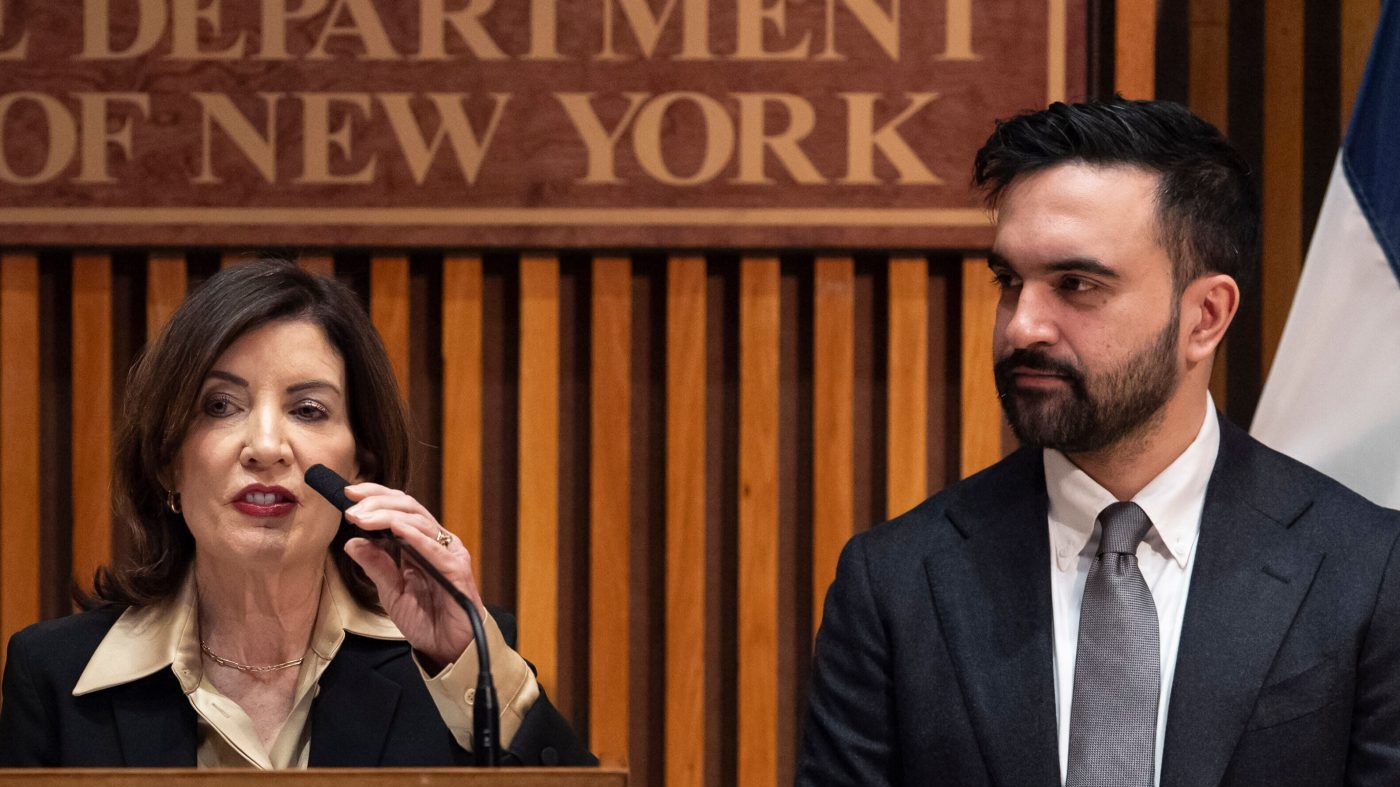
New York Governor Kathy Hochul and New York City Mayor Zohran Mamdani, both Democrats, have jointly proposed a new annual tax targeting ultra-wealthy individuals who own high-value secondary properties in the city. The so-called "pied-à-terre" tax would apply a surcharge to one- to three-family homes, condominiums, and cooperative apartments valued at over $5 million that are not the owner's primary residence.
The measure is designed explicitly to address New York City's looming fiscal crisis, with a budget deficit projected to reach $5.4 billion in the coming fiscal year. The administration estimates the tax could generate approximately $500 million in annual revenue, though previous analyses of similar plans have suggested a lower yield. "If you can afford a $5 million second home that sits empty most of the year, you can afford to contribute like every other New Yorker," Hochul stated, framing the proposal as a matter of equitable burden-sharing.

Targeting a Specific Class of Wealth
The proposal directly aims at a narrow segment of property owners, estimated to affect about 13,000 properties. Officials have pointed to figures like billionaire Ken Griffin, who purchased a $238 million apartment in 2019, and Russian auto dealer Alexander Varshavsky as emblematic of the class the tax intends to reach. This effort revives a policy idea that failed in 2019 after facing intense opposition from the real estate industry, despite support from then-Governor Andrew Cuomo and other state legislators.
For Mamdani, a democratic socialist who campaigned on affordability and taxing the wealthy, the alliance with Hochul represents a significant political development. His first months in office have focused on such fiscal measures, though Hochul had previously resisted some of his more aggressive tax proposals. "Alongside the governor, our administration is fighting every day to make sure we address this fiscal deficit fairly," Mamdani said, arguing the plan ensures "the wealthy contribute what they owe."
Political Support and Opposition
The plan has garnered support from several key New York City leaders. City Council Speaker Julie Menin called it the "comprehensive approach we need" to tackle the affordability crisis without burdening working residents. The borough presidents of Manhattan, Brooklyn, the Bronx, and Queens have also endorsed it. Manhattan Borough President Brad Hoylman-Sigal argued, "If you can afford a $5 million second home, you should appropriately contribute to the subways, schools, and public services that protect and sustain your investment."
However, the proposal faces immediate and powerful opposition. The Real Estate Board of New York (REBNY) has launched a campaign urging its members to lobby state representatives against the tax. REBNY President James Whelan contends the levy "will weaken the city’s broader economy — all without addressing its fiscal problems in the first place." The industry group warns it will deter investment and contradicts policies needed to encourage housing production and affordability.
The political context is crucial, with Hochul facing reelection this November. The partnership with the progressive mayor allows her to address a massive budget gap with a policy perceived as targeting out-of-state and foreign wealth, potentially mitigating backlash from local voters. The proposal enters a legislative landscape where fiscal reality checks are defining early administrations in major cities.
The debate echoes broader national conversations about wealth, property, and taxation. Similar targeted tax adjustments, like Virginia's recent move to end certain property tax breaks, reflect a political focus on closing specific loopholes and raising revenue from defined sources. The New York proposal now moves to the state legislature, where its fate will test the balance of power between progressive revenue ambitions and established real estate interests in a time of fiscal strain.