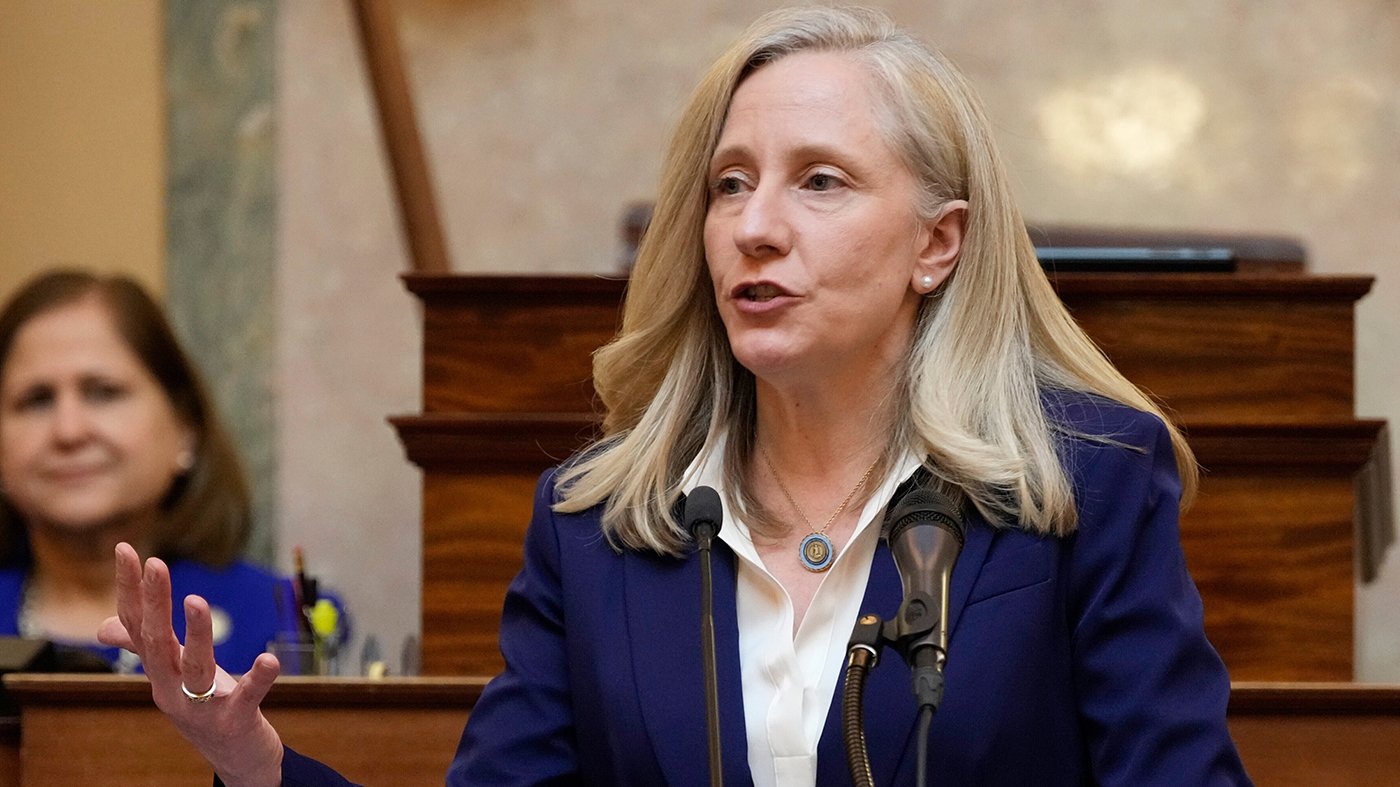
Governor Abigail Spanberger signed legislation on Monday that strips state property tax exemptions from several organizations with direct ties to the Confederate States of America. The bill, designated HB167, passed the Democratic-controlled Virginia legislature earlier this year and represents a significant policy shift regarding how the state treats groups dedicated to preserving Confederate heritage.
Legislative Action and Targeted Groups
The Virginia House of Delegates passed the measure by a vote of 62-35, while the state Senate approved it 21-17. The law specifically removes the Virginia Division of the United Daughters of the Confederacy (UDC) and the Confederate Memorial Literary Society from the state's list of tax-exempt organizations. These groups will now be required to pay property taxes on their holdings, which include historic buildings and museums.

The UDC, founded in 1894, describes its mission as honoring ancestors who served the Confederacy and preserving monuments and historical materials related to the Civil War. The organization is headquartered in Richmond, which served as the capital of the Confederacy for most of the Civil War. According to recent tax filings published by ProPublica, the UDC reported over $2.1 million in revenue and holds assets worth approximately $15.8 million.
Controversy and Accusations of Discrimination
The move has sparked immediate controversy. Following the bill's passage in the House, UDC President General Julie N. Hardaway condemned the legislation as "viewpoint discrimination" that "blatantly targets" Confederate-linked organizations. In a press release, Hardaway warned the law could set a precedent threatening the tax status of other historical museums and even churches. "To target any group who does not conform to the delegate's way of thinking is un-American," she stated.
In contrast, the bill's sponsor, Democratic Delegate Alex Askew, who is Black, praised Governor Spanberger for signing it. "Governor Spanberger's signing of this bill is a proud moment and an important step forward for Virginia," Askew said in a statement reported by The New York Times. The signing occurs as Virginia Democrats near a redistricting victory that could alter the state's political landscape.
Political Context and Broader Implications
The legislation arrives amid ongoing national debates over the public commemoration of the Confederacy and follows years of local efforts to remove Confederate monuments in Virginia and across the South. The policy change aligns with a broader reassessment of historical symbols and their funding by state governments.
Governor Spanberger's action also unfolds within a charged political environment. The governor has recently been a target of criticism from former President Donald Trump, who has attacked Spanberger and claimed Virginia's economy has 'lost its energy'. This policy decision may further define her administration's priorities. Meanwhile, the state's Republican dynamics are also shifting, with figures like a former Pence aide entering a Virginia House race as an anti-Trump Republican.
The financial impact on the affected organizations could be substantial, forcing them to allocate resources previously shielded by the exemption. The UDC maintains divisions in numerous states beyond Virginia, including Alabama, Georgia, Texas, and Tennessee, but the new law applies only to its properties within the Commonwealth.
This legislative action underscores the continuing political and cultural reckoning with America's Civil War legacy, translating historical debate into concrete fiscal policy. It marks a definitive step by Virginia's current government to distance state financial benefits from organizations perpetuating the memory of the Confederacy.