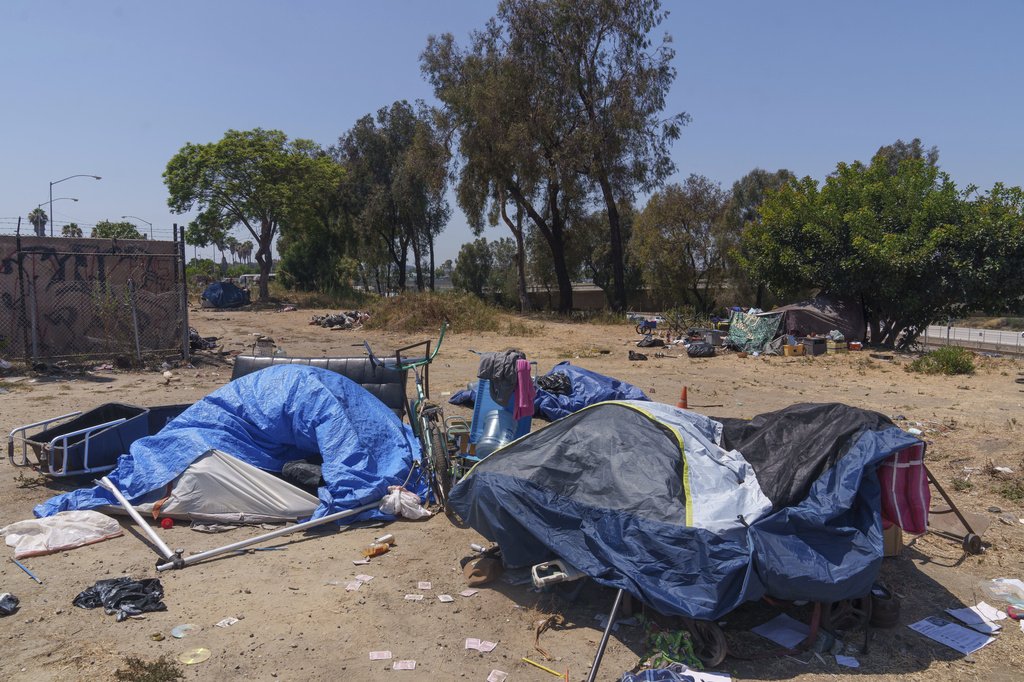
The Department of Housing and Urban Development is moving away from the longstanding Housing First approach to homelessness, announcing a renewed emphasis on treatment, recovery, and self-sufficiency. The shift, outlined by HUD leadership, marks a significant policy reversal after more than a decade of prioritizing permanent housing without prerequisites.
Under Housing First, which became mandatory for federal grants in 2013, the government provided permanent housing to homeless individuals without requiring sobriety or mental health treatment. Proponents argued that stable housing was a necessary foundation for addressing other issues, but critics contend the model became a one-size-fits-all solution that neglected root causes like addiction and severe mental illness.

According to HUD data, unsheltered homelessness rose 36% and chronic homelessness surged 80.5% since 2013, even as federal spending on homeless housing increased 151%. The agency notes that spending on the Continuum of Care program—the largest federal homelessness assistance initiative—jumped more than 50% starting in 2020, yet street homelessness climbed over 20% by the end of the Biden administration.
“Stable housing matters, but government housing alone is not recovery,” a HUD official said. “Too often, Housing First became Housing Only.” The official added that the model measured success by units filled rather than lives changed, fueling what critics call a “homeless-industrial complex” focused on maintaining funding streams rather than achieving independence.
Cities like Los Angeles, San Francisco, Portland, Seattle, and New York spent billions expanding homelessness programs but continued to see rising unsheltered populations, public disorder, and addiction crises. In some cases, local policies that decriminalized drug use and provided needle exchanges were cited as exacerbating the problem.
The Trump administration is now restoring the Continuum of Care program to its original intent: a balanced approach that includes transitional housing, treatment, workforce development, and accountability. The upcoming 2026 Notice of Funding Opportunity will prioritize programs that demonstrate measurable outcomes in treatment, employment, and long-term stability.
Faith-based organizations are expected to play a larger role. HUD officials highlighted visits to recovery programs in Los Angeles, Austin, and Baltimore where formerly homeless individuals are now working and rebuilding relationships. “These programs succeed because they treat the whole person, not just housing needs,” the official said.
The policy shift aligns with President Trump’s executive order “Ending Crime and Disorder on America’s Streets,” which coordinates federal resources to support public order and recovery. The administration argues that compassion should restore dignity and encourage self-sufficiency rather than indefinite dependency.
Critics of the old model, including some within HUD, argue that the system expected too little of itself and the people it aimed to help. “Americans know something is broken,” the official said. “We’ve met people across this country who want to earn another chance—not a lifetime of government handouts.”