Lawmaker Invokes War Powers as Iran Conflict Intensifies
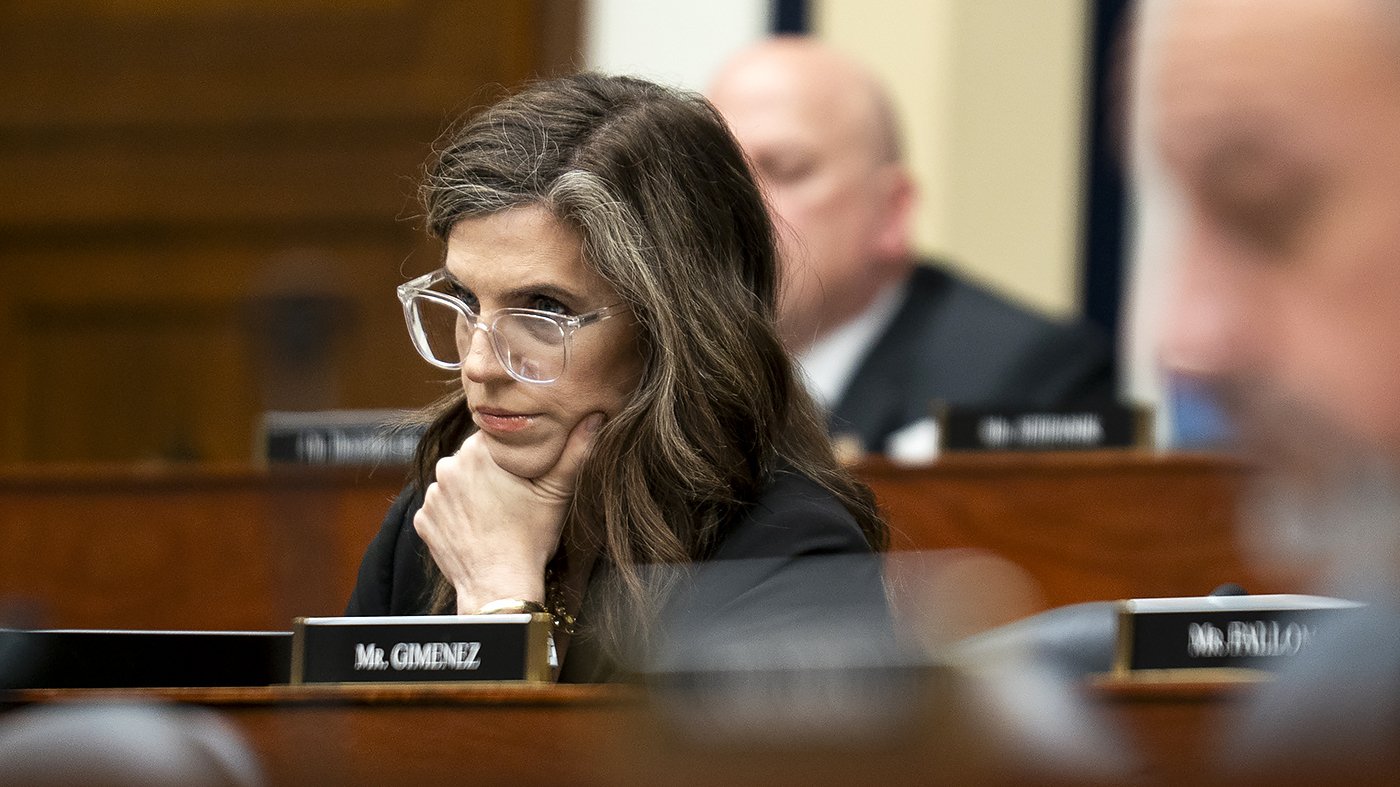
Republican Representative Nancy Mace of South Carolina has positioned herself among a growing number of lawmakers voicing alarm about the trajectory of the U.S.-Israeli military campaign against Iran, specifically warning against any move to deploy conventional ground forces without explicit congressional approval.
In a Friday interview, Mace stated she is "very concerned about escalation" and the potential for a mainland invasion, which she described as representing "a different phase of the war." Her comments follow the first confirmed loss of a U.S. warplane in the five-week conflict, an F-15 fighter jet shot down over Iran with a two-person crew. One crew member has been located.

Constitutional War Powers at Stake
Mace framed her argument in historical and constitutional terms. "Congress needs to be briefed. Congress needs to have a say," she asserted, drawing parallels to President Franklin D. Roosevelt seeking a declaration of war after Pearl Harbor and President George W. Bush requesting an Authorization for Use of Military Force following the September 11 attacks. "I was against invading Iraq, but Bush still came to Congress to get an AUMF," Mace noted. "And so I think that we need to be very clear, if there are going to be troops on the ground, that's different."
She distinguished a large-scale ground invasion from limited special operations, such as the raid that killed Osama bin Laden. Her primary concern, she explained, is "loss of life and casualties and casualty projections, potentially, for ground troops." She insisted that Congress must be fully briefed on such assessments before any action is taken.
Trump's Contradictory Stance on Ground Forces
The congresswoman's warnings come despite President Trump's public statements that he does not intend to use ground troops in the conflict. However, the administration has reportedly considered operations that would necessitate "boots on the ground," including missions to extract Iran's enriched uranium or to seize control of Kharg Island, the nation's primary crude oil export terminal. This potential planning underscores the gap between rhetorical posturing and military contingency options.
President Trump has recently escalated his threats, vowing in a national address to bring Iran "back to the Stone Ages where they belong." This rhetoric persists even as his administration pursues diplomatic channels, calling for a deal to end the hostilities. The mixed signals from the White House have created uncertainty about the conflict's endgame, as deadlines and ultimatums continue to shape the crisis.
Broader Context of Escalation
The downing of the F-15 marks a significant escalation in direct combat losses. The incident has intensified debate in Washington about the risks of a broader war, a concern amplified by ongoing Israeli strikes against critical Iranian infrastructure. Mace's intervention highlights a critical constitutional and strategic fault line: the executive branch's authority to conduct military operations versus the legislative branch's power to declare war and authorize sustained combat.
Her stance reflects deepening unease within Congress over being sidelined in major national security decisions. As the conflict evolves, the question of congressional authorization is likely to move from a theoretical debate to a pressing political confrontation, especially if casualty projections for a ground invasion become a tangible planning reality. The coming days will test whether the legislature can reassert its war powers authority or if the conflict will continue to expand under the president's sole discretion.