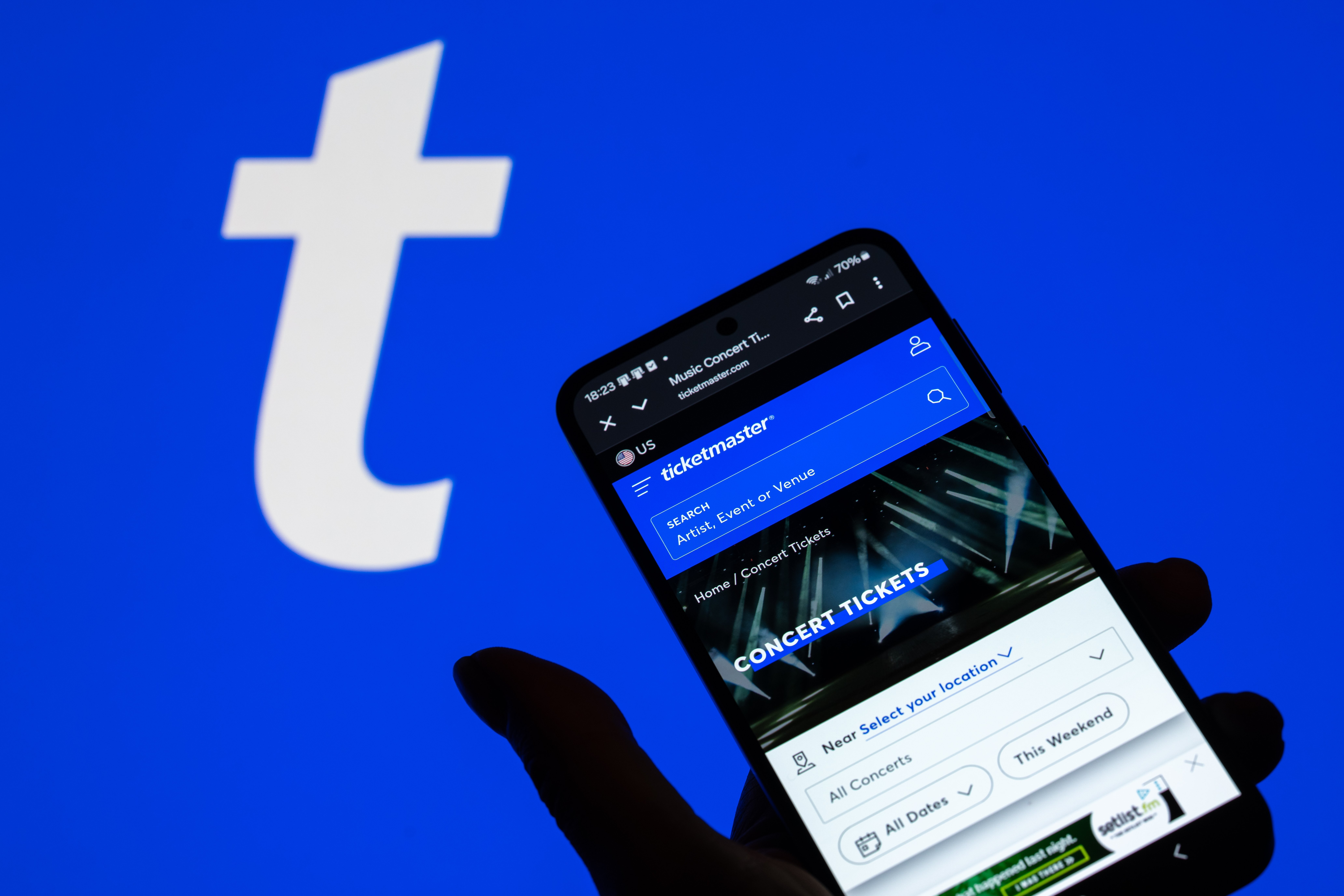
Live Nation Entertainment, the corporate giant behind Ticketmaster, has agreed to a $9.9 million settlement with the District of Columbia to resolve allegations of systematic consumer deception in ticket sales. The agreement, announced Monday by DC Attorney General Brian Schwalb, concludes a state investigation into practices that officials say misled customers for at least ten years.
Allegations of Deception and Pressure
The Office of the Attorney General's investigation found that Live Nation routinely concealed the full price of tickets, including mandatory fees, until customers reached the final checkout page. This practice, according to the state, violated consumer protection laws by preventing informed purchasing decisions. The company also allegedly failed to adequately disclose the purpose of substantial additional fees and employed high-pressure sales tactics, such as countdown clocks implying imminent sell-outs.

"These practices took advantage of DC residents buying tickets for their favorite team and priced others out entirely," Attorney General Schwalb stated. The settlement addresses what the state characterized as a pattern of "deceptive fees" and "illegal pressure tactics" targeting fans.
Settlement Terms and Reforms
Under the terms of the settlement, up to $8.9 million of the total will be allocated for refunds to affected Live Nation customers. Details on the claims process are expected in the coming months. In response to the investigation, Live Nation has already implemented several changes to its business practices. The company has committed to displaying the full price of tickets, including all mandatory fees, at the beginning of the ticket selection process. It will also provide clearer disclosures about ticket hold procedures.
The settlement represents a significant enforcement action in the ongoing scrutiny of the live events industry. It follows a pattern of legal challenges targeting corporate transparency, similar to the constitutional lawsuit facing a New York STEM program over its eligibility rules.
Broader Antitrust Context
This resolution arrives amid heightened legal pressure on Live Nation's market dominance. Less than a week prior, a Manhattan federal jury found the company guilty of maintaining an illegal monopoly in the live entertainment industry in a separate antitrust suit. That case argued Live Nation's practices squeezed out smaller promoters, harmed artists, and ultimately increased costs for consumers nationwide.
The federal antitrust trial, originally filed by the Biden administration in May 2024, saw a partial settlement during the Trump administration, requiring Live Nation to pay $280 million in civil penalties to participating states. However, more than 30 states, including DC under Schwalb, continued litigating, contending the federal settlement did not secure sufficient concessions from the company. This state-level persistence mirrors the tenacity seen in other political arenas, such as the massive spending in Virginia's redistricting referendum.
The dual legal fronts—a state consumer protection settlement and a federal antitrust conviction—paint a comprehensive picture of a corporation under siege for its business conduct. The outcomes signal a growing willingness by state and federal enforcers to challenge industry titans on multiple legal grounds simultaneously.
For consumers, the DC settlement promises direct restitution and mandated transparency reforms. For the industry, it reinforces a regulatory environment increasingly hostile to opaque pricing and dominant market positions. As legal and political scrutiny of corporate power intensifies, this case may serve as a blueprint for other jurisdictions examining similar practices within the ticketing and live events sector.