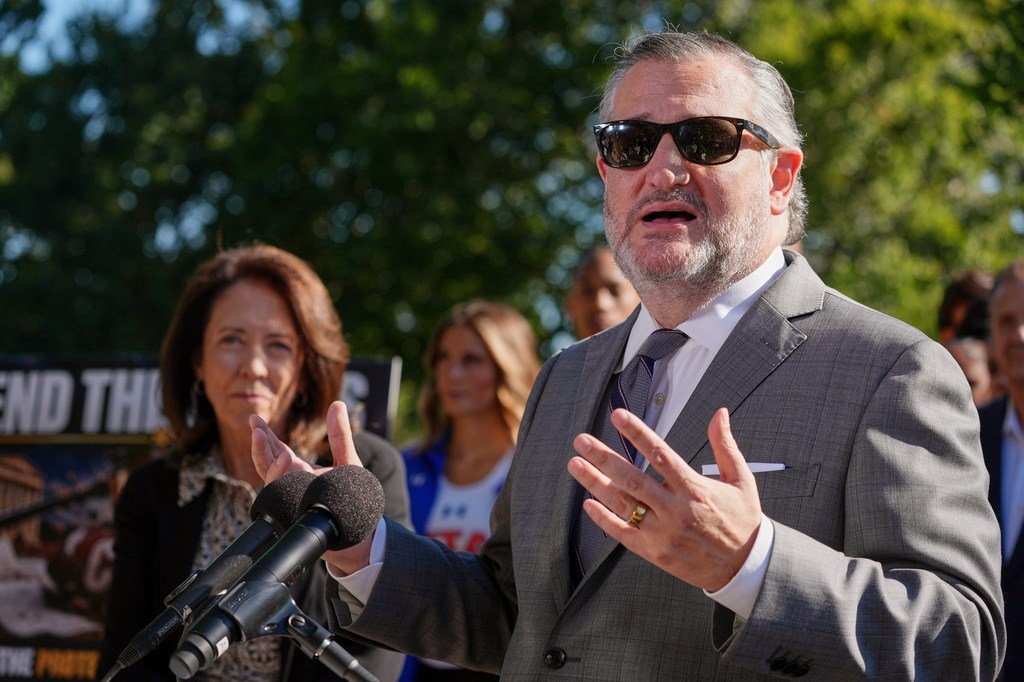
College athletics is facing an existential moment. The uniquely American system of intercollegiate competition, which has thrived for over a century, is now under siege from nearly 150 federal and state lawsuits challenging the NCAA's rules. To stabilize the landscape, legal scholar Matthew Mitten argues Congress must act by passing the bipartisan Protect College Sports Act.
The bill aims to preserve the current commercial-educational model of college sports, which stands in stark contrast to the commercial-professional model of major leagues. Unlike the NBA, NFL, or WNBA—where privately owned, for-profit clubs employ unionized players—the NCAA comprises 1,075 nonprofit member institutions across three divisions, offering 24 sports and more than 90 national championships.

NCAA athletes are full-time students who must meet academic requirements to compete. During the 2024-25 season, nearly 554,000 participation opportunities were provided across roughly 20,000 teams. However, only Division I men's basketball and FBS football generate surplus revenues, which cross-subsidize other sports, including women's and Olympic programs. Fewer than 3% of athletic departments are self-sustaining, and less than 2% of college athletes turn professional.
The Protect College Sports Act would establish uniform eligibility rules—limiting participation to five years and generally requiring athletes to be 24 or younger. It would also restrict transfers to one without penalty, aiming to protect graduation rates, which historically exceed those of the general student body.
The legislation also includes educational safeguards: it prohibits athletic departments from influencing course or major selection, bans scholarship reductions due to performance or injury, and mandates continued financial aid for former athletes for 10 years after eligibility ends.
On the contentious issue of Name, Image, and Likeness (NIL) compensation, the bill creates a single federal standard, preempting the patchwork of over 30 state laws. It requires disclosure of payments over $600, prohibits pay-for-play deals that exceed fair market value, and grants antitrust immunity for enforcement. This addresses the current chaos that has fueled sweeping college sports reform efforts in Congress.
Following the House antitrust settlement, Division I schools can begin sharing up to $20.5 million annually with athletes starting in July 2025, with caps rising to nearly $33 million by 2034-35. The Protect College Sports Act would codify these caps, adjust them for inflation, and allow schools to exceed them by up to $22.5 million to retain current athletes and an additional $5 million for women's and Olympic sports.
Beyond economics, the bill promotes competitive balance and integrity by enforcing gambling and doping prohibitions. It also allows internal governance aligned with higher education's legitimate objectives. As the debate intensifies—including controversies over political involvement in sports media—the future of college athletics hangs in the balance.
Without congressional action, the system remains vulnerable to judicial micromanaging and conflicting state laws. The Protect College Sports Act offers a path to stability, ensuring that the educational mission of college sports endures.