The Senate voted Tuesday to advance the Protect College Sport Act, a sweeping measure that would impose national standards on college athletics, including how athletes are compensated, how often they can transfer, and how long they can compete. The bill also shields the NCAA from antitrust lawsuits and caps revenue sharing, while allowing schools to set up retention funds for star players.
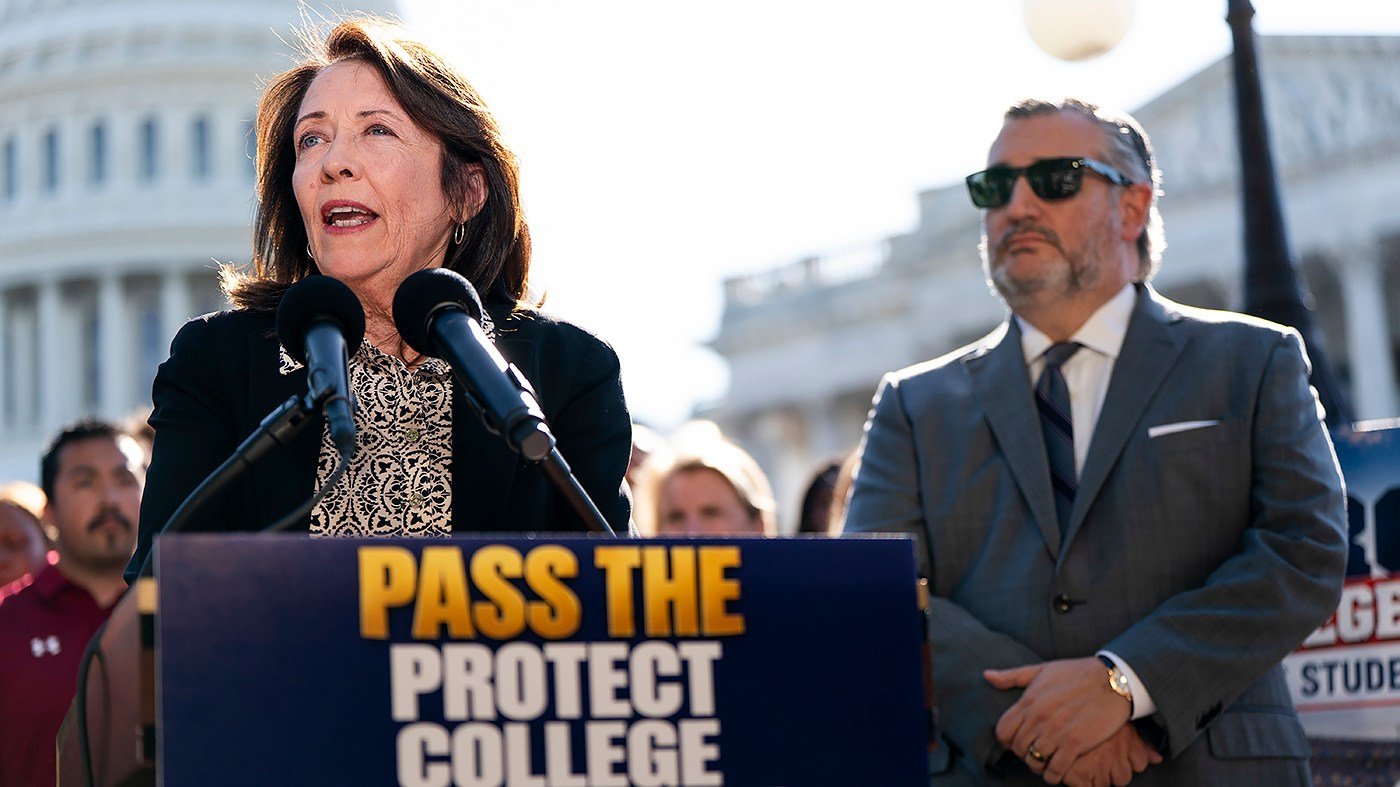
The 74-24 vote sends the legislation forward, though it still faces further debate and amendment. The bill emerged from the Senate Commerce Committee in June with bipartisan support after months of negotiations between Chairman Ted Cruz (R-Texas) and Ranking Member Maria Cantwell (D-Wash.).
Under the proposal, agents representing student-athletes must register with a state and cannot charge fees exceeding 5% of a player's deal. Scholarships would be guaranteed for ten years after eligibility ends, and Division I schools would be required to provide medical coverage during participation.
The push comes as public concern grows over the current patchwork of state laws and NCAA rules governing name, image, and likeness deals, transfers, and eligibility. Recent controversies include LSU coach Lane Kiffin considering adding NFL castoffs, and quarterback Brendan Sorsby being ruled ineligible for betting on his own team after signing a lucrative NIL contract with Texas Tech.
“College sports today are in crisis,” Cruz said on the Senate floor. “For years court decisions, litigation, conflicting state laws, unlimited transfers, eligibility issues and inconsistent enforcement has chipped away at the foundation of college athletics. The result is what we’re seeing right now, the Wild West.”
Cantwell echoed those concerns, noting that universities are borrowing heavily and cutting non-revenue sports to fund football programs, while smaller schools have become “unpaid development leagues for the giants.” She also highlighted that some agents now take up to 25% of athletes' NIL earnings. The bill would direct nearly $1 billion over six years to historically Black colleges and universities (HBCUs), a provision backed by the United Negro College Fund.
However, the legislation faces opposition from the NAACP, the AFL-CIO and its Sports Council, and the Congressional Black Caucus. Sen. Cory Booker (D-N.J.), a former Stanford tight end, called the NCAA “a monopoly controlling $15 billion” and accused the bill of doing nothing to rein in coaches' salaries while adding bureaucracy for players.
“It is doing all kind of things to stop players from earning money, putting bureaucracy between them and the possibilities but it does nothing to affect coaches,” Booker said.
Cruz countered that without congressional action, many schools would be forced to shut down football or drop women's and Olympic sports. He noted that more than 370 universities have endorsed the bill. “We can sit on the sidelines and watch college sports continue to unravel or we can step on the field and lead,” he said.
The measure also has support from some prominent coaches, including Arkansas basketball coach John Calipari, who visited Capitol Hill on Monday. Calipari told NewsNation that current rules have pushed coaches to focus on transfers and older players instead of high school recruits. “I got involved to say ‘This ain’t right for American kids,’” he said.