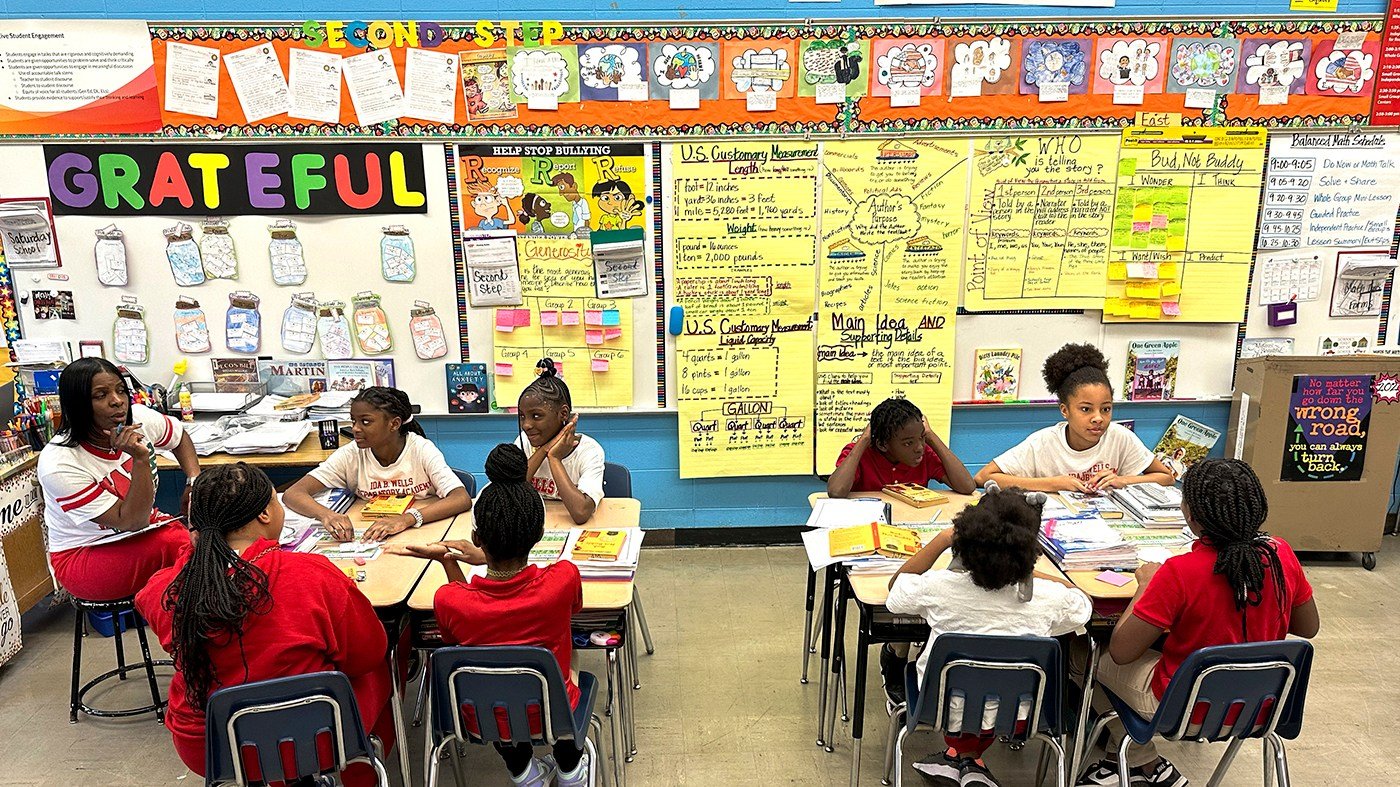
After four years of stagnant scores, new data from the education research group NWEA shows that reading proficiency among U.S. students in kindergarten through eighth grade improved notably over the past year. The gains cut the gap from pre-pandemic levels by one-third, offering a rare bright spot in the long effort to reverse learning losses tied to COVID-19.
Megan Kuhfeld, NWEA's director of growth modeling and analytics, said the improvement was striking because it broke a pattern of stagnation that had persisted since the initial shock of the pandemic. “The kind of improvements we saw from 2025 to 2026, so this last year in reading, really stood out because we had seen such stagnation for the four years previously,” she said. “It seemed like schools were doing lots of things, schools were back in, kind of to normal, but we weren't seeing that any kind of real road to recovery on average.”

The data points to the impact of state-level policy shifts, particularly the adoption of the “science of reading” approach. Since the pandemic, roughly half of states have enacted laws or requirements pushing schools to align literacy instruction with phonics, vocabulary, and comprehension, moving away from the once-dominant balanced literacy model that encouraged students to rely on contextual “cues.”
Jonathan Butcher, acting director of the Center for Education Policy at the Heritage Foundation, said the gains are “likely a reflection of what some state lawmakers have done to pay attention to that subject specifically.” He cautioned, however, that sustained progress depends on what students are taught, not just the skills they practice.
The NWEA data also shows that the largest improvements came among Black students, Hispanic students, and those in high-poverty districts—groups that suffered the steepest declines during the pandemic. But experts warn that past gains have proven fragile. Weadé James, senior director for K-12 education policy at the Center for American Progress, noted that similar growth periods have been followed by dips, especially as federal COVID relief funding expires. “Without the continuation of that funding,” she asked, “how states can continue a lot of these efforts that they started?”
Despite the progress, the average student remains two-thirds of a year behind where they were before the pandemic. And even returning to pre-COVID levels would not solve the longer-term decline in U.S. literacy, which began around 2013—a period the Education Scorecard May 2026 report dubbed a “learning recess,” coinciding with the rise of social media.
The Nation's Report Card found that only 14 percent of 13-year-olds read for fun daily in 2025, down from 27 percent in 2012. International assessments paint a similarly troubling picture: the 2025 Program for International Assessment showed U.S. 15-year-olds' reading scores fell 14 points since 2022.
Experts say the current momentum must be matched with sustained investment in tutoring, early literacy screening, and teacher training. James emphasized the need for a cohesive approach: “We need to make sure we don't have a fragmented system, that literacy should really be looking at the entirety of a child's schooling, and those standards should be aligned to ensure that we're actually delivering the best quality instruction, and kids have the skills that they need when they do complete their studies.”
As policymakers weigh next steps, the debate over how to teach reading remains politically charged, with some classroom dynamics also drawing scrutiny. The new data offers a glimmer of hope, but the road to full recovery is long.