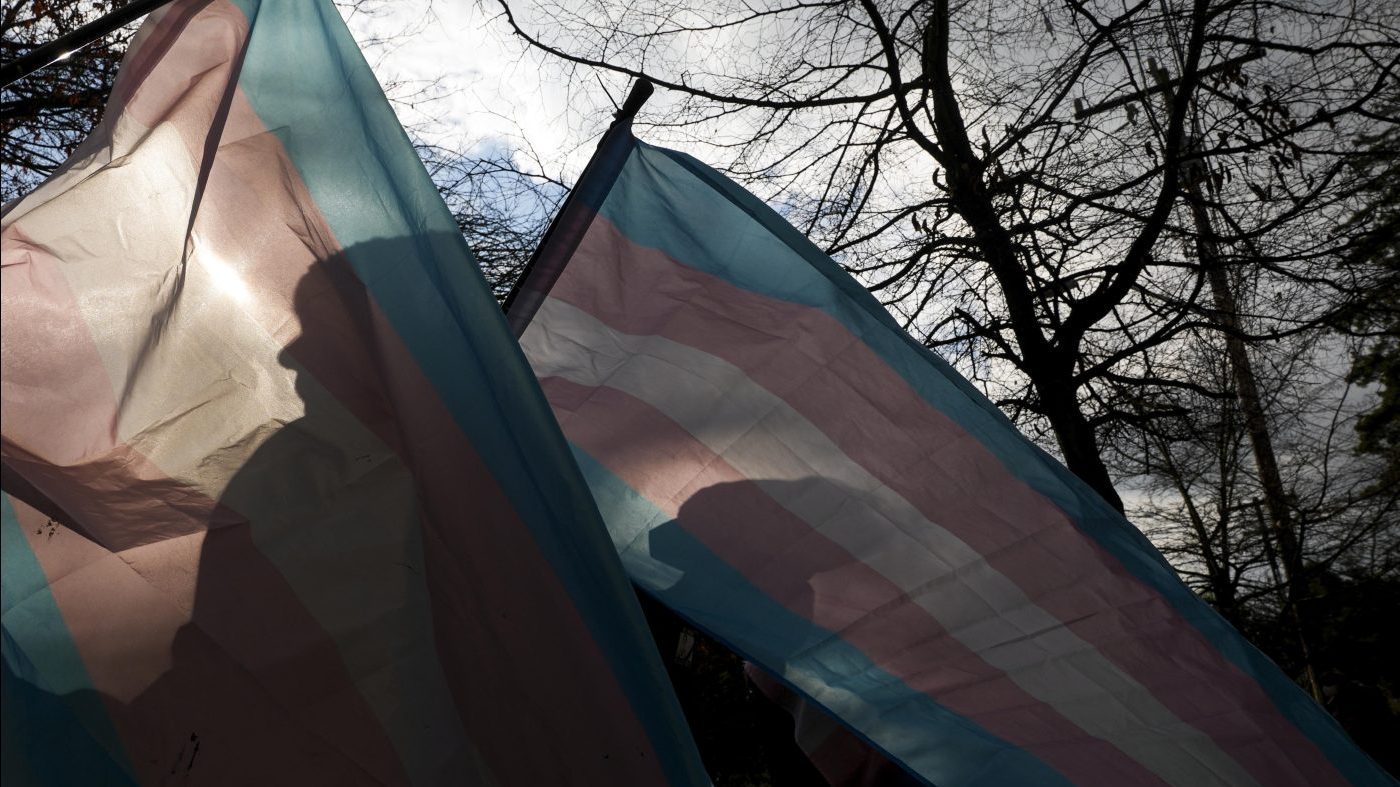
Nebraska voters have approved a constitutional amendment that mandates public schools and colleges to designate sports teams based on biological sex, effectively barring transgender girls and women from participating on teams that align with their gender identity. The measure, known as Initiative Measure 442, was projected to pass with nearly 68% support, with over 95% of the vote tallied by Decision Desk HQ.
The amendment extends to all public K-12 schools, colleges, and universities, as well as private schools that compete against them. Under the new constitutional provision, teams must be categorized as male, female, or co-ed, and participation is determined by the sex assigned at birth. The measure also includes a provision that allows female students to join male teams only if no female team is offered for that sport.

This ballot initiative builds on a 2025 state law that already required public education institutions to designate teams by sex at birth. That law also mandated that students provide physician verification of their sex. The key difference with the ballot measure is that it enshrines these requirements into the state constitution, making them more difficult to overturn through future legislative action.
The vote in Nebraska reflects a broader national trend, as Republicans have increasingly focused on the issue of transgender participation in sports and access to facilities. The debate has also created divisions among Democrats, with some supporting restrictions and others advocating for transgender rights.
According to data from the Williams Institute at the University of California, Los Angeles, School of Law, there are approximately 300,000 transgender individuals aged 13 to 17 in the United States, and another 400,000 aged 18 to 24. These figures highlight the relatively small number of young people directly affected by such policies.
The approval of the measure in Nebraska comes amid a wave of similar legislative efforts across the country. In other states, voters have weighed in on a range of social and political issues, including Idaho voters rejecting an abortion rights measure and Nevada voters enshrining abortion rights in their state constitution. These contrasting outcomes underscore the polarized political landscape.
Supporters of the Nebraska measure argue that it protects fairness and safety in women's sports, while opponents contend that it discriminates against transgender youth and violates their rights. The American Civil Liberties Union and other advocacy groups have vowed to challenge similar laws in court, but the constitutional amendment could complicate legal efforts to overturn it.
The measure's passage is a significant victory for conservative advocates, who have made transgender participation in sports a central issue in the culture wars. It also sets a precedent for other states considering similar constitutional amendments, potentially leading to a patchwork of laws across the country.
As the political landscape continues to evolve, the impact of Nebraska's decision will likely be felt beyond its borders. With the 2026 midterm elections approaching, the issue is expected to remain a key talking point for candidates on both sides of the aisle.