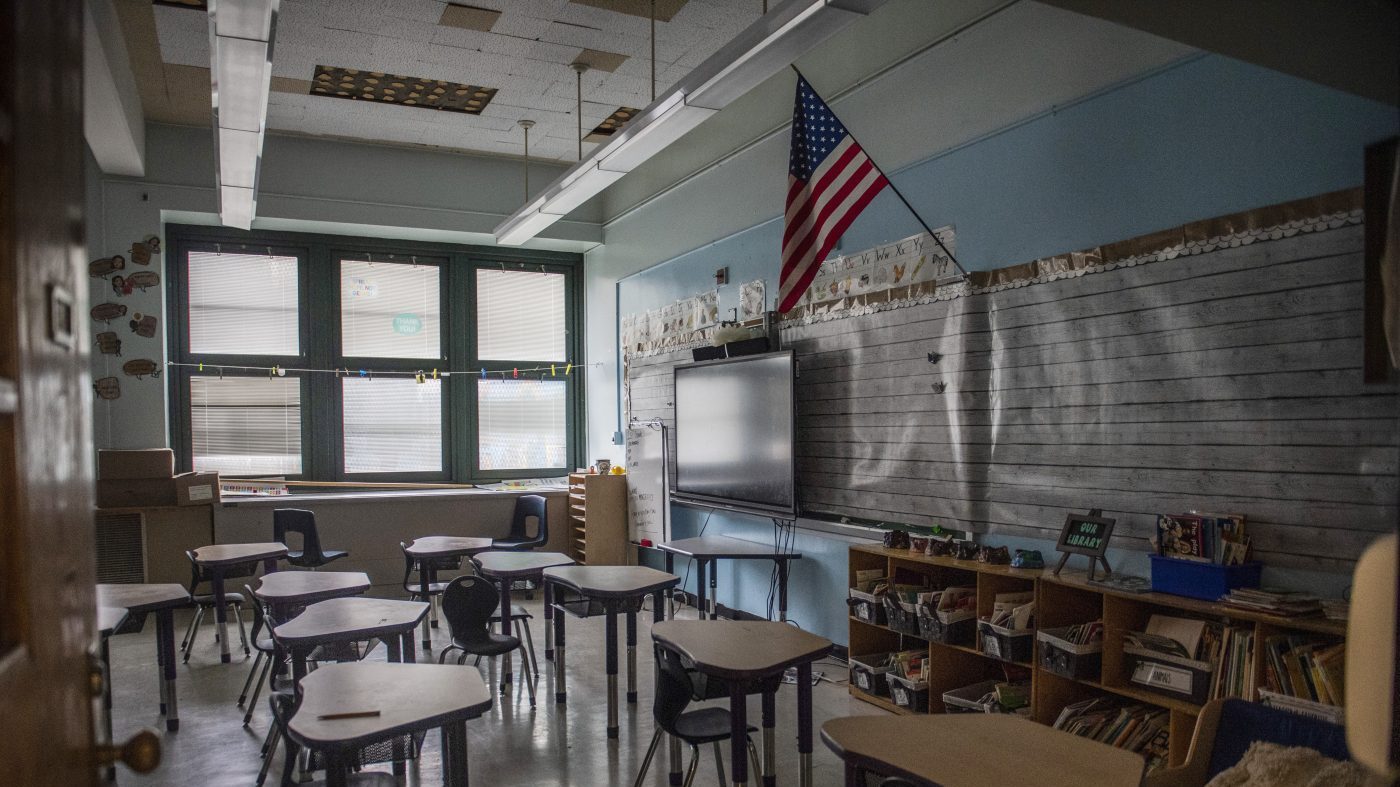
Alabama voters have approved a constitutional amendment that mandates the daily recitation of the Pledge of Allegiance in public schools and permits student-initiated, student-led prayer, according to projections from Decision Desk HQ. The measure, known as Statewide Amendment 3, passed with 63% of the vote early Wednesday.
The amendment requires local school boards to adopt policies ensuring that every public K-12 school conducts the Pledge of Allegiance to the United States flag each day. It also directs boards to allow students to lead prayers voluntarily. While students may opt out of both the pledge and prayer, the constitutional change elevates these practices from statutory to constitutional status.
Alabama already has a state law requiring the Pledge of Allegiance in schools, with an opt-out provision, and state law also covers school prayer. The amendment's backers argued that embedding these requirements in the constitution would provide stronger legal protection against potential challenges. Opponents, however, raised concerns about the separation of church and state and the potential for coercive environments despite the opt-out clauses.
The measure's passage aligns with a broader trend of states addressing religious expression in public education. Earlier this year, a federal appellate court allowed Louisiana to enforce a law requiring the display of the Ten Commandments in public school classrooms, a decision that has fueled ongoing legal and political debates. Similar measures have been proposed in other states, reflecting a renewed focus on the role of faith in public institutions.
In other state-level ballot measures this cycle, voters in several states weighed in on contentious social and political issues. For instance, Nebraska voters approved a constitutional ban on transgender athletes in girls' sports, while Idaho voters rejected an abortion rights measure, preserving a near-total ban. These results underscore the divergent paths states are taking on hot-button issues.
The Alabama amendment's passage is likely to have immediate practical effects. School boards will need to review and update their policies to comply with the new constitutional requirement. Legal experts note that while the opt-out provisions may shield the law from some challenges, the explicit mention of prayer could still face litigation under the Establishment Clause.
Supporters of the amendment celebrated the outcome as a victory for religious freedom and patriotic values. "This is about protecting the rights of students to express their faith and honor our flag," said a spokesperson for the campaign. Critics, however, argue that the measure blurs the line between permissible student expression and state endorsement of religion, potentially putting pressure on students who do not wish to participate.
As Alabama moves forward with implementation, observers will watch for legal challenges and for how other states might follow suit. The amendment's success could encourage similar constitutional efforts elsewhere, particularly in states where conservative majorities are seeking to expand religious accommodations in public schools.