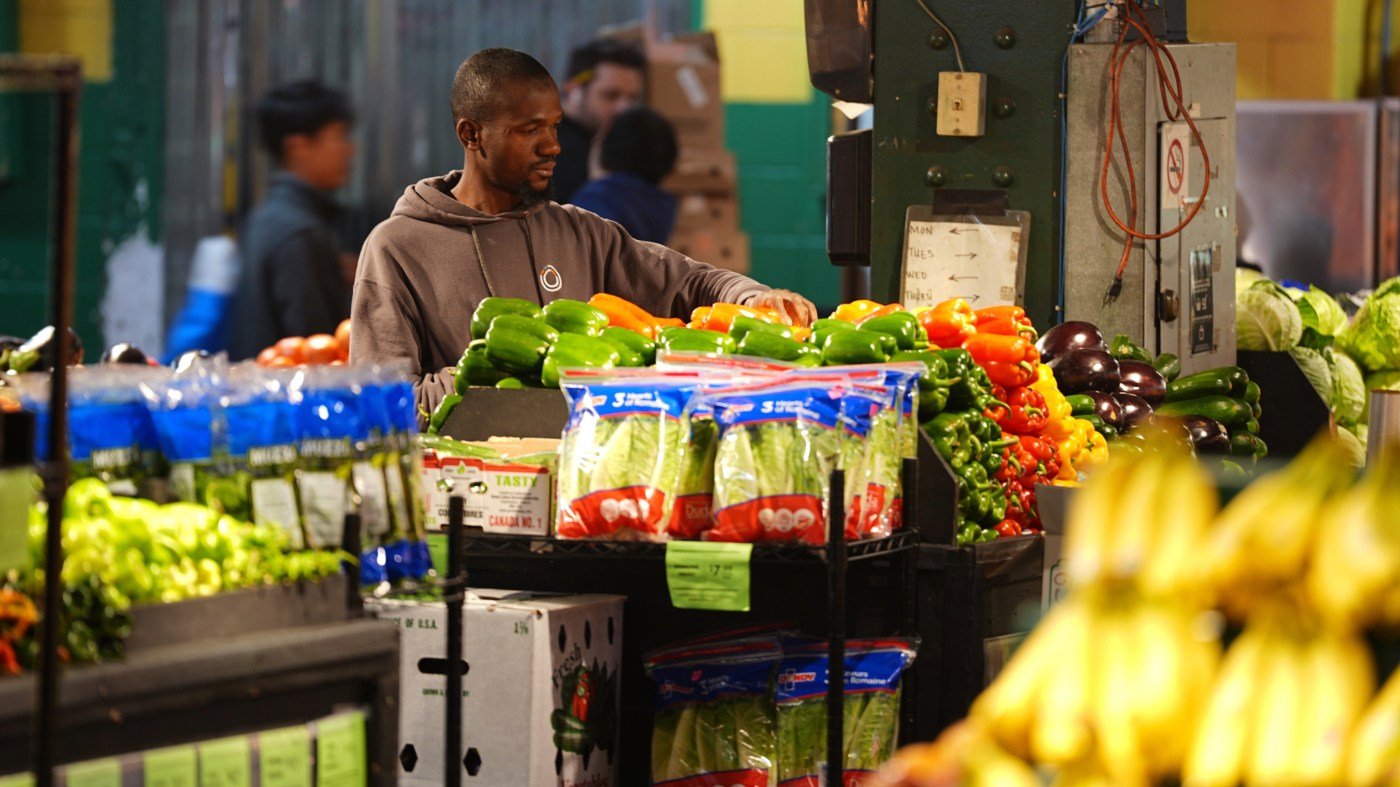
With chronic disease driving $5.3 trillion in annual U.S. healthcare spending, a growing coalition argues that the tax-advantaged accounts millions of Americans use for medical expenses should also cover the foods proven to keep them healthy. The call comes as lawmakers weigh updates to health policy and as the Make America Healthy Again Commission considers new recommendations.
Sixty percent of American adults live with at least one chronic condition, yet federal dietary guidelines have long emphasized the benefits of whole fruits and vegetables. A 2019 study in PLOS Medicine estimated that meeting those guidelines could prevent nearly 2 million cardiovascular events and save $40 billion in healthcare costs. Despite that, only 10% of Americans eat the recommended amount of vegetables and just 12% meet fruit targets.

Proponents say the problem is not awareness but access. Rising food prices push families toward cheaper, heavily processed options, while the IRS restricts health savings accounts (HSAs) and flexible spending accounts (FSAs) to a narrow list of medical expenses. Those accounts hold more than $160 billion in assets, plus roughly $30 billion in annual FSA contributions, yet they cannot be used to buy an apple or a bag of spinach.
Ricky Silver, CEO of organic food provider Daily Harvest, is leading the charge. "It's backwards," he said. "An FSA will pay for a type 2 diabetes drug like Metformin, but it won't pay for the vegetables that could help someone avoid needing it." Silver notes that more than 119 million American adults have high blood pressure and rely on HSAs for their medications, but the same accounts exclude the foods proven to lower blood pressure without drugs.
The IRS already allows HSA and FSA funds to cover exercise apps, gym memberships, and even sunscreen, reflecting decades of recognition that prevention is part of health. Silver argues that produce is the ultimate over-the-counter medicine—good for you, proven to help, and something we should make easier for people to afford.
Silver is urging Congress to amend eligibility rules to include fresh, frozen, and canned fruits and vegetables, allowing families to use $500 to $1,000 annually for produce. He also wants the Make America Healthy Again Commission to include this change in its policy recommendations. The proposal has precedent: the CARES Act of 2020 expanded FSA eligibility to over-the-counter medications.
Evidence from existing programs suggests consumers will buy healthy food when it's affordable. The Double Up Food Bucks program, active in more than 25 states, matches SNAP benefits dollar-for-dollar for produce purchases. The WIC program provides monthly allowances specifically for fruits and vegetables. National Institutes of Health research found that Double Up participants increased their fruit and vegetable spending and variety.
"Turning around chronic disease trends won't happen overnight," Silver said. "But we can't afford to leave proven solutions on the table." As lawmakers weigh health spending priorities, the question is whether they will extend the same flexibility to the foods that keep Americans out of the emergency room. For now, the push adds to a broader debate over how to make the healthcare system more preventive and cost-effective.