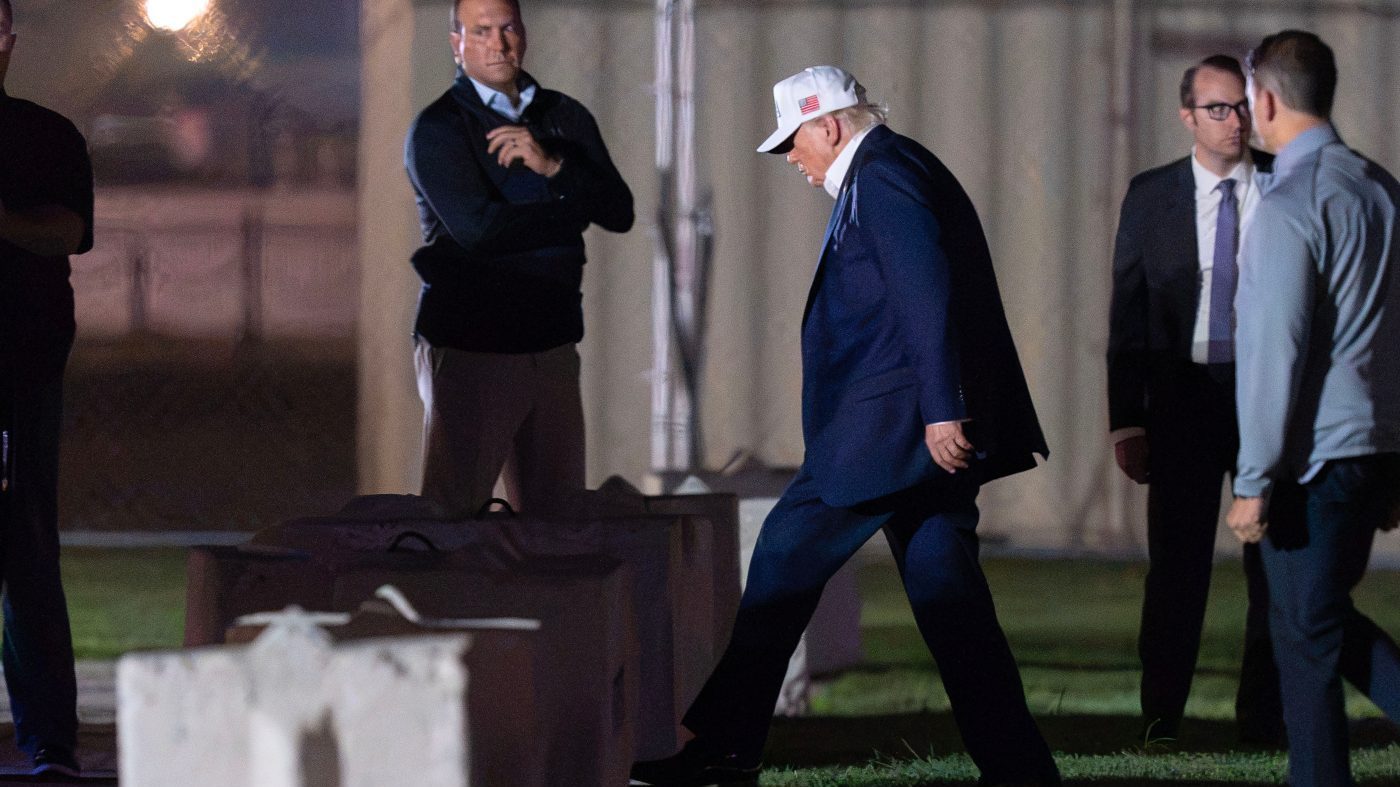
President Trump, back in Washington after cutting short his Camp David stay by a day, announced early Sunday that the planned triumphal arch near the nation's capital will now feature a "top grade military complex." The president framed the change as a national security necessity, saying the structure will be equipped to house drones and accommodate snipers.
The announcement lands as the Middle East remains volatile, with the State Department issuing a travel advisory urging Americans in the region to "exercise heightened vigilance" and brace for possible travel disruptions. The warning follows fresh attacks by Iranian-backed Houthi forces on Saudi Arabia.
Security rationale and political optics
Trump's decision to militarize the arch, a project already steeped in symbolism, is likely to reignite debate over the administration's approach to national monuments and public safety. Critics may question the necessity of embedding military capabilities in a ceremonial structure, while supporters will point to the president's stated priority of protecting the capital.
The arch, which has been a pet project of the president, has faced earlier controversies, including a Federal Aviation Administration mandate for an eternal flame to ensure pilot safety. The new military additions are expected to further complicate the design and construction timeline.
Press access restrictions draw fire
Meanwhile, the White House's decision to bar CNN, MSNBC, and Politico reporters from its grounds on Saturday has sparked a fresh First Amendment clash. Trump defended the move on Friday, accusing the outlets of producing "purposefully negative stories." The ban is the latest in a series of actions against media organizations that have drawn criticism from press freedom advocates.
Several top officials and lawmakers are scheduled to appear on the Sunday morning talk shows, where the press ban and the Middle East situation are expected to dominate discussions.
Travel advisory highlights regional risks
The State Department's advisory underscores the precarious security environment in the Middle East. It specifically mentions the Houthi attacks on Saudi Arabia, which have escalated in recent weeks, and urges Americans to remain alert and prepare for possible disruptions to travel and commercial activities.
The administration's response to the Houthi threat has been closely watched, with some lawmakers calling for a more robust military posture in the region. The president's focus on the arch's defensive features may be seen as part of a broader narrative of strengthening national security at home and abroad.
As the day unfolds, the interplay between the arch announcement, the press ban, and the Middle East tensions is likely to shape the news cycle. The White House has not yet provided additional details on the arch's military specifications or the timeline for implementation.