Iran launched retaliatory strikes against Kuwait and Bahrain on Sunday, escalating tensions and threatening to walk away from all negotiations with the United States. The attacks mark a dangerous new phase in the ongoing conflict, further straining a fragile ceasefire agreement signed earlier this month.
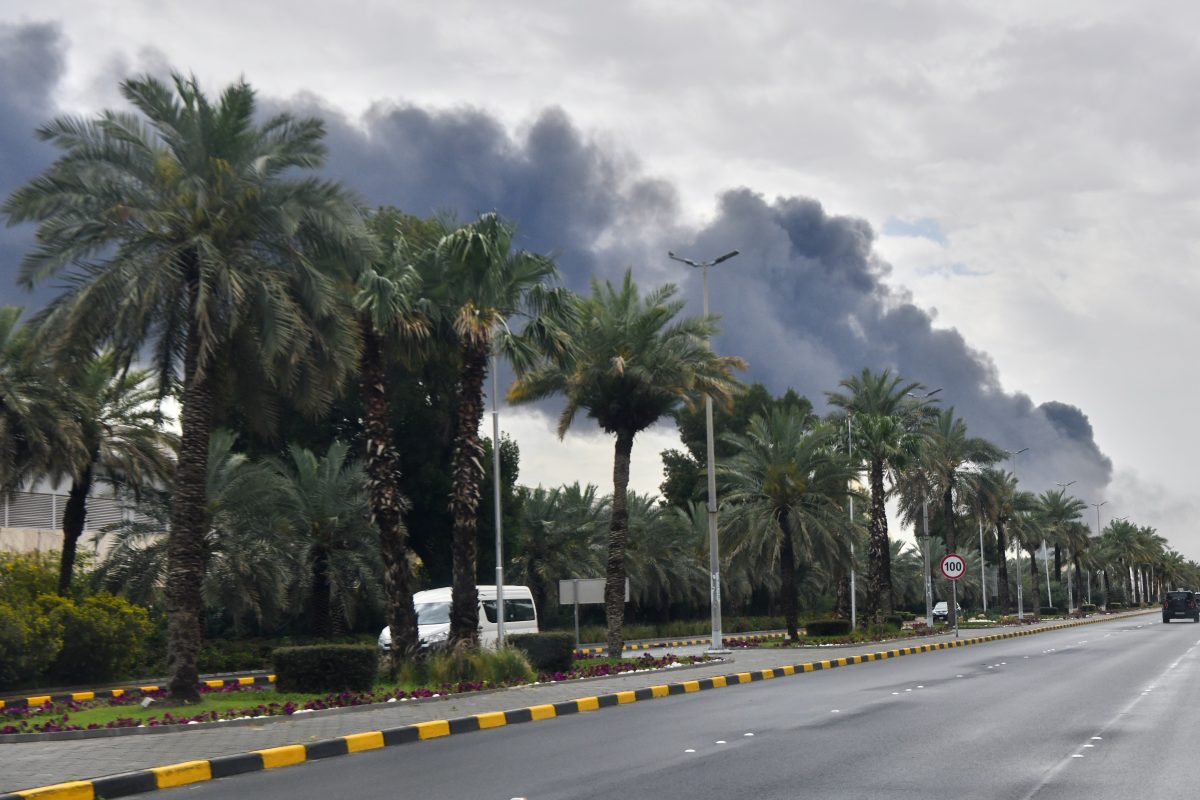
Kuwait's military reported that it successfully intercepted Iranian drones and two ballistic missiles aimed at the country. In Bahrain, an eight-story building near the airport suffered severe damage when its top floor was destroyed. Bahrain's Interior Ministry confirmed there were no casualties from the strike. Bahrain's Foreign Ministry condemned the attack as “a dangerous escalation that reveals that what Tehran is doing is not a passing act, nor an isolated incident, but rather a deliberate approach and a systemic pattern of repeated aggression.”
Iran's Islamic Revolutionary Guard Corps (IRGC) claimed responsibility for the strikes, accusing the United States of violating the ceasefire agreement outlined in the recent Memorandum of Understanding (MOU) between the two nations. The IRGC warned that any further US military action “will result in the complete halt of all diplomatic processes.”
President Trump responded by accusing Iran of breaking the ceasefire, posting on Truth Social: “United States aircraft just struck Iranian missile and drone storage locations, and coastal radar sites, for violating the Cease Fire Agreement, AGAIN!” He added, “It is very possible that they will never learn! There may come a point when we are no longer able to be reasonable, and will be forced to militarily complete the job that we very successfully started. If that happens, the Islamic Republic of Iran will no longer exist!”
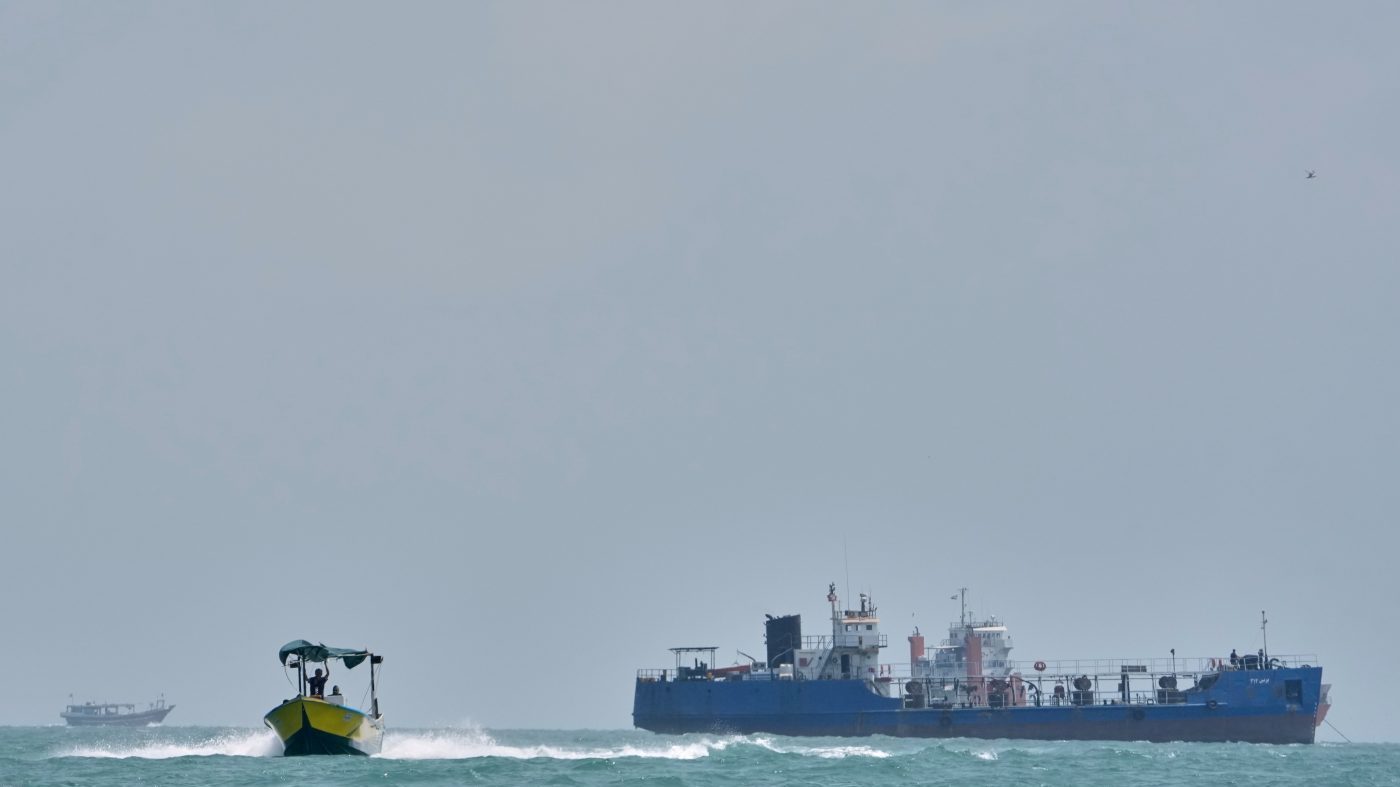
US Central Command (Centcom) confirmed on Saturday that it conducted additional strikes against Iranian targets following an attack on a Panama-flagged tanker near the Strait of Hormuz. Iran, which claims authority over the waterway, also struck a Singapore-flagged cargo ship off the coast of Oman on Thursday. President Trump called that attack a “foolish violation” of the ceasefire.
These incidents threaten the 14-point MOU, electronically signed by the US and Iran, which established a 60-day pause in hostilities to allow for negotiations on ending the conflict, addressing Iran's nuclear program, and restoring unrestricted navigation through the Strait of Hormuz. The strait remains technically open, but conflicting claims over control have made navigation perilous. As one analyst noted, divided government at home can paralyze oversight, but here the breakdown is between the signatories themselves.
Iran's Foreign Minister Abbas Araghchi, speaking in Baghdad on Sunday, reiterated Tehran's stance on the strait. “Any interference in this matter, any attempt to establish new or separate arrangements from those currently being carried out by the Islamic Republic of Iran, will only lead to further complications, delay the reopening of the Strait of Hormuz, and increase the level of tension,” he said. He pointed to the recent incidents in the strait as evidence of rising confrontation.
The escalation also casts a shadow over broader regional dynamics. Iran had previously claimed the strait was closed due to Israel's strikes in Lebanon, threatening a separate ceasefire there. The Trump administration's approach to Iran has been marked by mixed signals, as seen in Tehran's role in Lebanon talks, which has exposed inconsistencies in US policy.
As the 60-day window for negotiations ticks down, the latest attacks underscore how fragile the truce truly is. With both sides accusing each other of violations, the path to a broader agreement appears increasingly uncertain. The US and Iran now face a critical juncture: either de-escalate or risk a full-blown military confrontation that could destabilize the entire Gulf region.