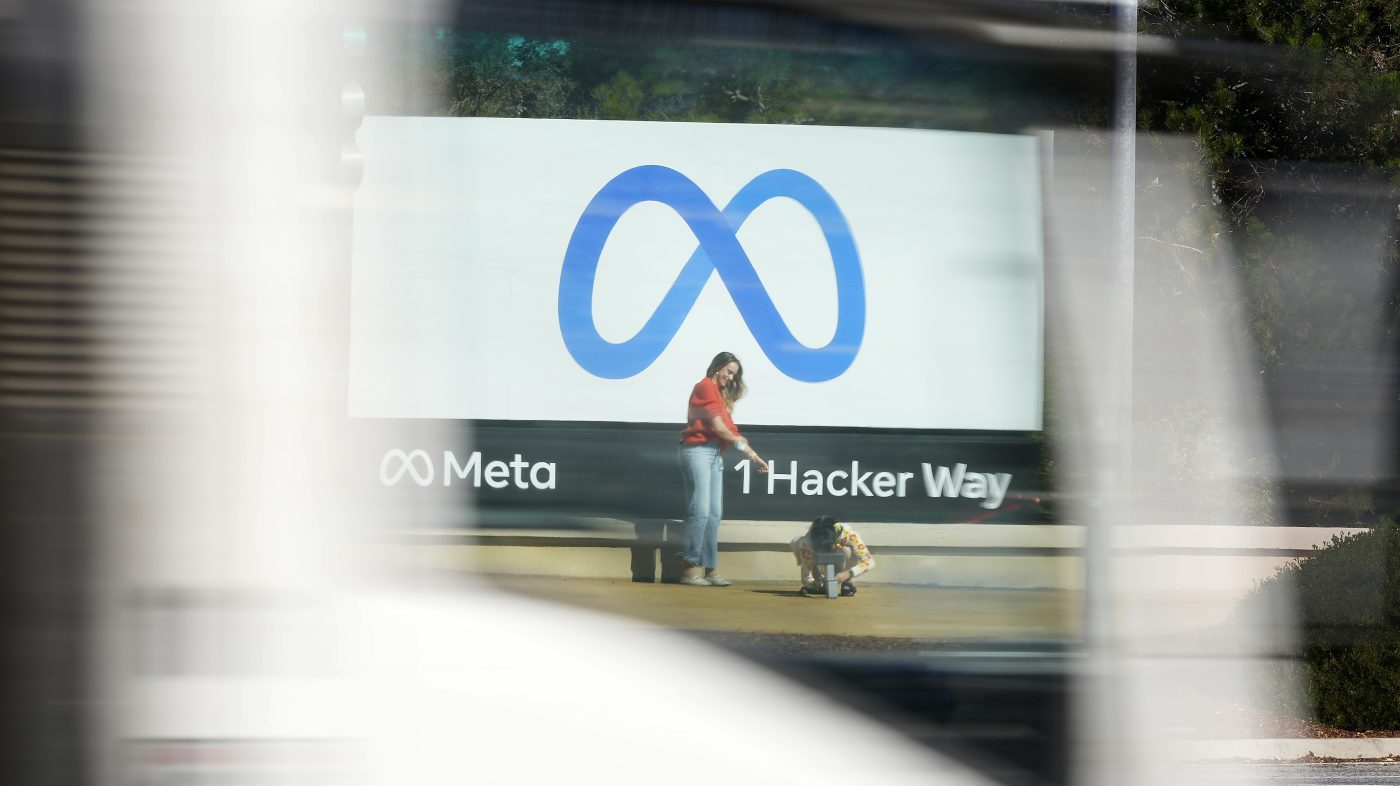
Jury selection commenced Wednesday in a California federal court in a landmark case accusing Meta of engineering its social media platforms to be addictive for young users. The trial, consolidated from lawsuits filed by attorneys general across the country, opened in the U.S. District Court in Oakland, with the first phase covering claims from California, Colorado, Kentucky, and New Jersey.
The lawsuit, originally filed in 2023 by 29 states, alleges that Meta, the parent company of Facebook and Instagram, deliberately incorporated features designed to encourage "excessive use" among children and teenagers. It further accuses the tech giant of deceiving the public about the mental and physical health risks associated with its platforms and of routinely collecting data from users under 13 without parental consent.

"Meta has harnessed powerful and unprecedented technologies to entice, engage and ultimately ensnare youth and teens," the complaint states. "It has concealed the ways in which these platforms exploit and manipulate its most vulnerable consumers: teenagers and children. And it has ignored the sweeping damage these platforms have caused to the mental and physical health of our nation's youth."
Meta has vigorously denied the allegations. A company spokesperson told The Hill, "We strongly disagree with these allegations and are confident the evidence will show our longstanding commitment to supporting young people. We've listened to parents, worked with experts and law enforcement, and conducted in-depth research to understand the issues that matter most. We're proud of the progress we've made, and we're always working to do better."
On Monday, an appeals court denied Meta's motion to dismiss the case, allowing the trial to proceed. In a separate ruling, the 9th U.S. Circuit Court of Appeals also declined to dismiss thousands of other online safety lawsuits against social media firms, including TikTok, determining that the technology liability shield known as Section 230 of the Communications Decency Act cannot be used to dismiss lawsuits but only as a defense against claims.
Section 230 has long protected tech companies from being held liable for user-generated content, but this case focuses on platform design rather than third-party posts, a distinction that legal experts say could allow plaintiffs to bypass the statute's protections. Earlier this year, a federal jury in California found Meta and YouTube negligent in their design or operation of their platforms, ordering them to pay a combined $6 million in damages to a young user who became addicted to the services.
The current trial comes on the heels of a New Mexico court ordering Meta to pay an additional $567 million in the second phase of a state social media safety case. That order added to the $375 million in civil penalties Meta was ordered to pay in the first phase, after a jury found the company violated New Mexico's Unfair Practices Act, which prohibits unfair, deceptive, and misleading business practices.
As the trial unfolds, the outcome could have far-reaching implications for how social media companies design their platforms and interact with younger users. Legal analysts suggest that a finding against Meta could embolden other states and plaintiffs to pursue similar claims, potentially reshaping the industry's approach to youth safety. The case also intersects with broader political debates over tech regulation, with lawmakers increasingly scrutinizing the influence of social media on mental health, particularly among adolescents.
For now, Meta maintains its commitment to safety, but the mounting legal pressures reflect a growing bipartisan concern about the impact of these platforms on the nation's youth. The trial is expected to last several weeks, with testimony from experts and internal company documents likely to be central to the proceedings.