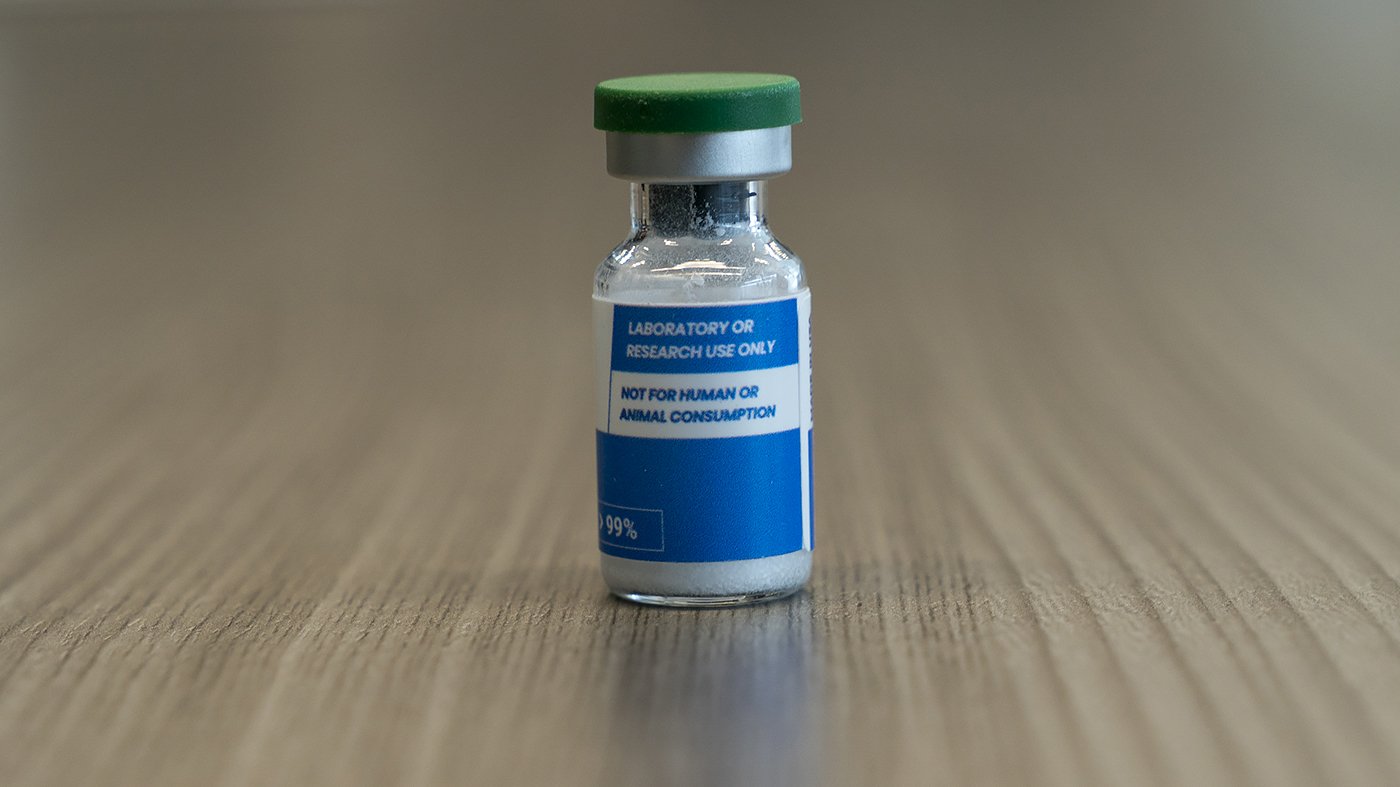
Telehealth giant Hims & Hers Health is positioning itself to enter the fast-growing market for compounded peptides, a move that could expand patient access to these widely discussed treatments. The company revealed its intentions during a Monday earnings call, with CEO Andrew Dudum outlining a strategy that combines U.S.-based manufacturing, clinical oversight, and routine blood testing.
Dudum described the initiative as a “best-in-class peptides experience,” emphasizing that the company is already testing ingredients for certain peptides. “This will ensure we can bring them to the market with a safe, verified supply chain if the FDA decides to allow them for compounding,” he said. The remark signals that Hims & Hers is preparing for a regulatory green light that has not yet been granted.

The interest in peptides—short chains of amino acids often delivered via injection—has surged among health-conscious Americans, fueled in part by the enthusiasm of Health and Human Services Secretary Robert F. Kennedy Jr. Kennedy has publicly declared himself “a big fan of peptides” and has promised to push for broader access. His advocacy has placed the treatments at the center of a political debate over medical innovation and regulatory oversight.
Late last month, the FDA’s Pharmacy Compounding Advisory Committee (PCAC) voted to recommend adding certain peptides to the list of substances that compounding pharmacies can legally produce. The decision came despite objections from FDA scientists, who raised concerns about the lack of demonstrated benefits and potential safety risks. The committee reviewed data on BPC-157, KPV, TB-500, and MOTS-c—peptides that are often touted for conditions ranging from ulcerative colitis to wound healing and osteoporosis.
The vote has been seen as a win for proponents of peptide therapies, but it does not constitute final FDA approval. The agency must still decide whether to adopt the committee’s recommendation, a process that could take months. In the meantime, companies like Hims & Hers are moving to position themselves ahead of a potential market opening.
The move comes as the broader telehealth industry faces regulatory scrutiny, with lawmakers and public health experts debating the safety of compounding pharmacies and the rise of direct-to-consumer medical services. Hims & Hers has already built a substantial business around online prescriptions for conditions like erectile dysfunction and weight loss, and peptides could represent a natural extension of that model.
Analysts say the company’s entry into peptides could bring legitimacy to a market that has been criticized for inconsistent quality and questionable marketing. By emphasizing U.S. manufacturing and clinical guidance, Hims & Hers may be trying to differentiate itself from smaller, less regulated players. However, the company will still need to navigate a complex regulatory landscape, particularly if the FDA imposes restrictions on which peptides can be compounded and under what conditions.
Kennedy’s role in promoting peptides has added a political dimension to the issue. His public statements have aligned with a broader health-focused agenda that has also included controversial stances on vaccines and food policy. Critics argue that his enthusiasm for unproven treatments could undermine public health, while supporters say he is challenging an overly cautious bureaucracy.
The FDA’s final decision on peptides will be closely watched by both the pharmaceutical industry and consumer health advocates. If approved, compounded peptides could become a significant revenue stream for telehealth companies, but the lack of robust clinical evidence remains a major hurdle. For now, Hims & Hers is betting that the regulatory winds are shifting in its favor.