Just days after President Trump signaled a shift away from military action toward economic pressure on Iran, Tehran has moved to complicate that strategy by elevating a hard-line Islamic Revolutionary Guard Corps figure to the top of its national security apparatus. The appointment of Mohsen Rezaei as secretary of the Supreme National Security Council, announced Sunday, underscores the deepening standoff over the Strait of Hormuz and the broader conflict.
Trump's 'Chess Game' Posture
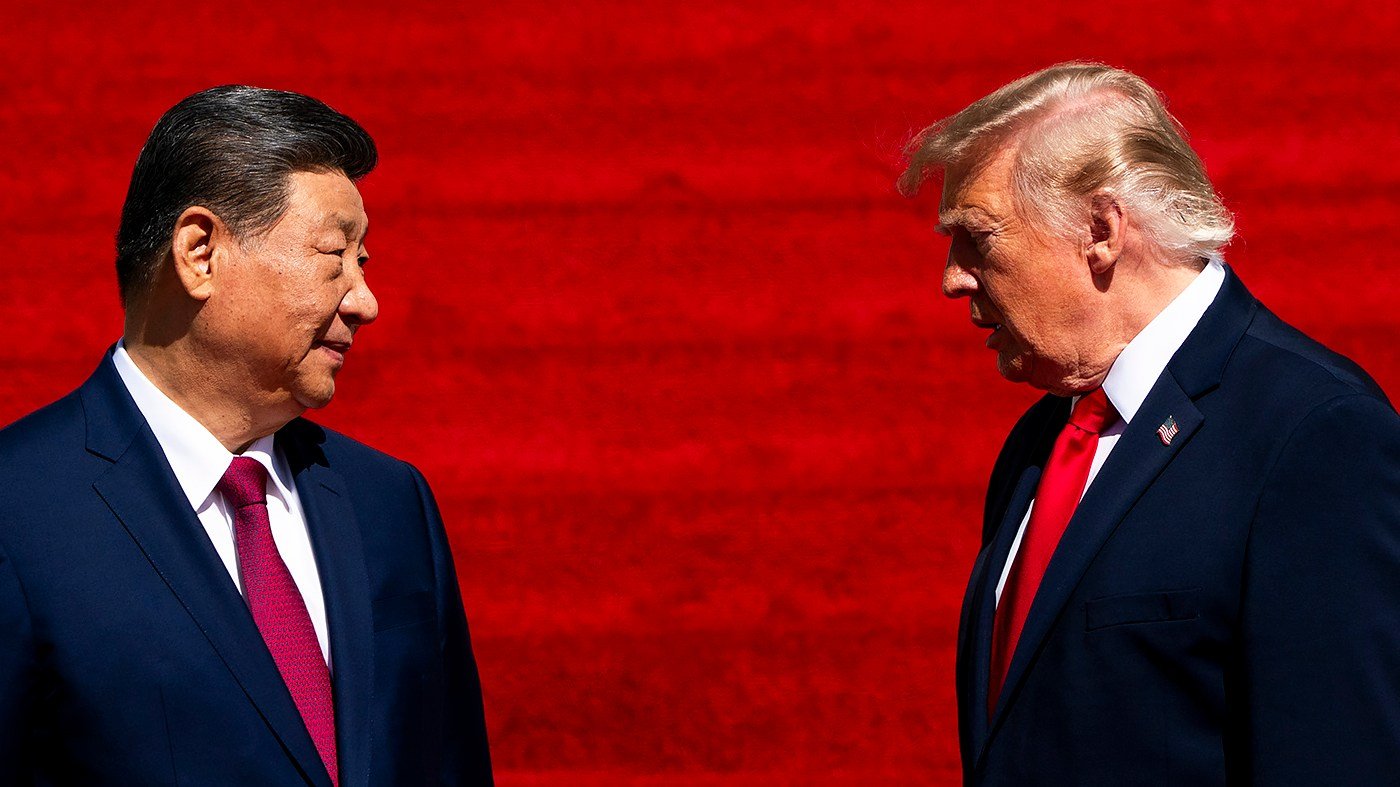
In an interview with Axios on Sunday, Trump described his approach as "low keying it," emphasizing economic pressure over further strikes. "We are only semi-negotiating with them," he said, pointing to Iran's "huge inflation" and lack of funds. "It will work out. It always works out. It's like a chess game." That open-ended assertion, however, contrasts sharply with earlier threats of military action and offers no clear timeline for resolution, drawing criticism from those who see it as an evasion of measurable goals.
Tehran's Maximalist Demands
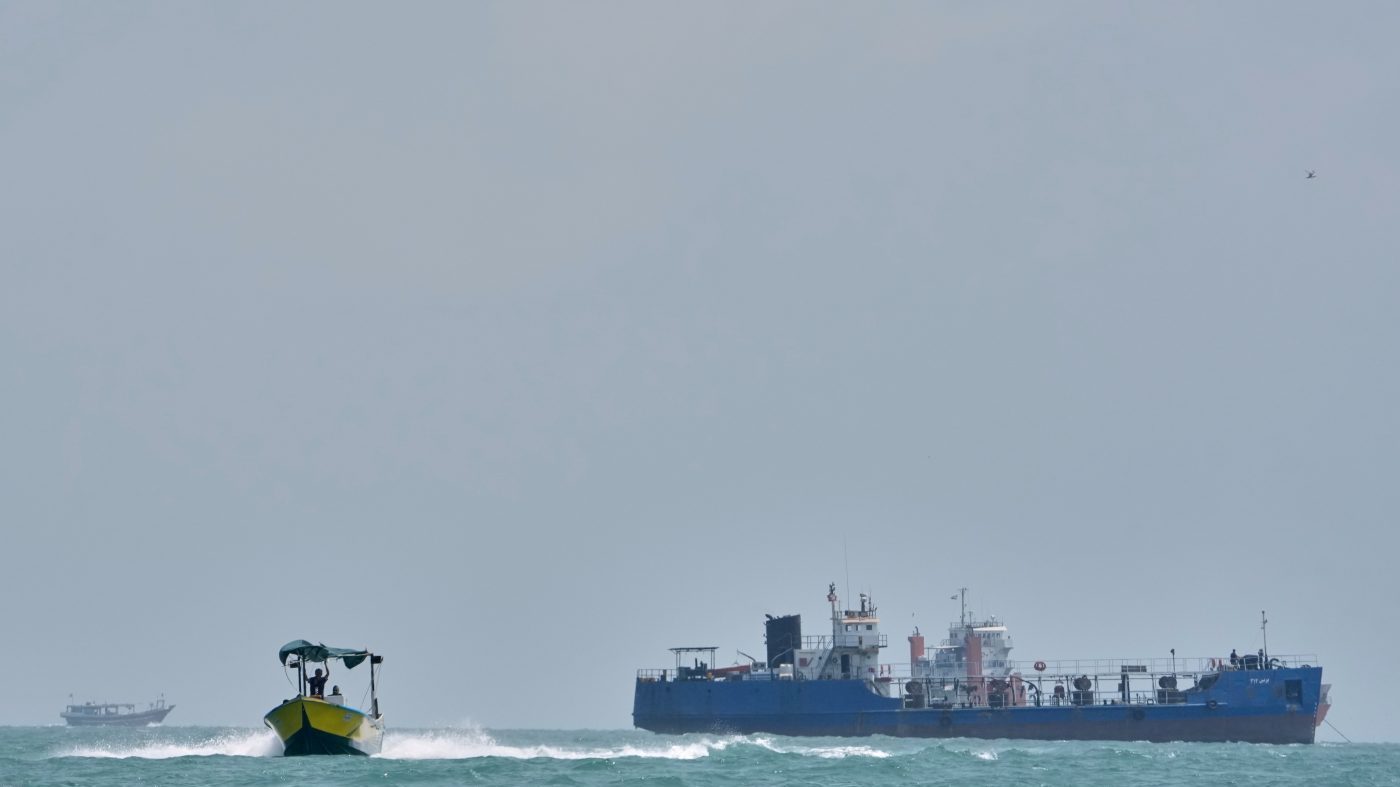
Iran's response has been swift and unyielding. On Saturday, outgoing security council secretary Mohammad Bagher Zolghadr laid out six conditions for reopening the Strait of Hormuz, ranging from an end to U.S. "threats" and "insults" to the lifting of sanctions and release of frozen assets. The list effectively transforms a narrow shipping dispute into a broader political negotiation, a stance reinforced by a reported missile strike on an ADNOC-owned tanker in the strait, which the UAE condemned and Oman warned could threaten its mediation efforts.
Leadership Turmoil in Tehran
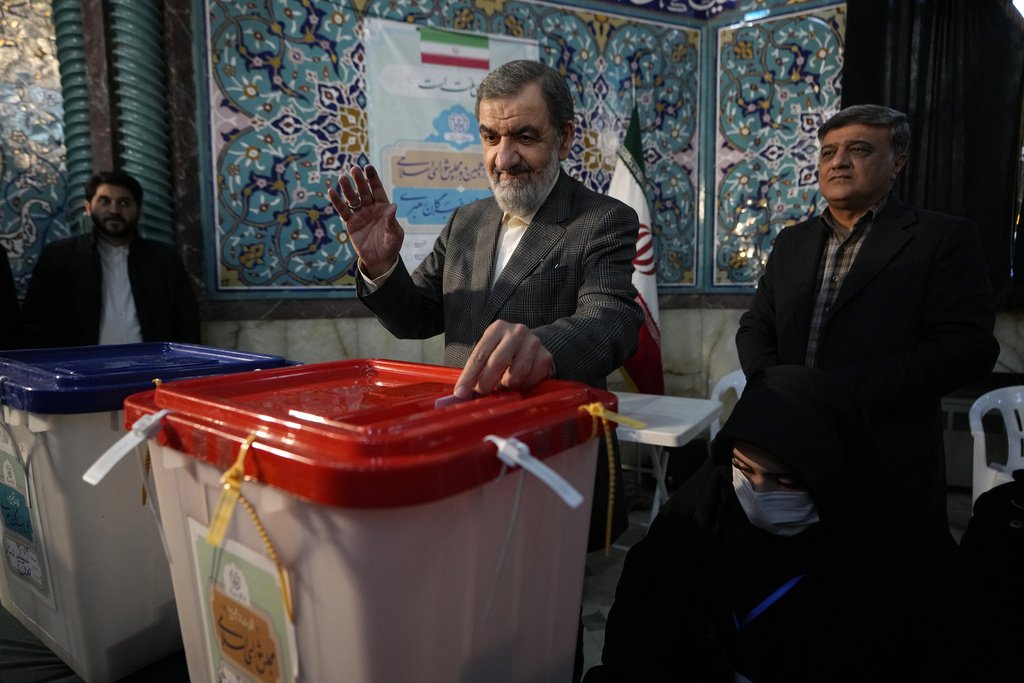
The reshuffle that brought Rezaei to power was anything but smooth. Initial reports of his appointment on Aug. 6 were retracted within hours, followed by conflicting accounts of Zolghadr's resignation. By Sunday, the transition became official: Rezaei, a co-founder of the IRGC and longtime adviser to Supreme Leader Mojtaba Khamenei, now holds the secretary-general post, while Zolghadr was shifted to a political advisory role. The public disorder suggests either a hard-line consolidation or an untested leadership still defining its lines of authority.
Who Speaks for Iran?
Iran has lacked a single authoritative voice since an Israeli strike killed Ali Larijani, the previous council secretary and de facto leader, in March. Rezaei's appointment, coming just a day after Zolghadr's maximalist demands, signals a possible entrenchment of the security establishment in the negotiating process. Reports that Foreign Minister Abbas Araghchi, who had been close to a narrower shipping deal, has been barred from intervening in the talks further suggest that diplomacy is being subordinated to the IRGC's influence.
Implications for Washington
The move raises the price of any agreement, as Washington bets that economic pain will eventually force Iran back to the table. But with a former IRGC commander now at the helm of Iran's top security body, the question is no longer whether Tehran wants concessions, but who in Tehran is authorized to accept them. As the stalemate continues, the administration's "waiting game" may face a longer and more unpredictable horizon, with potential ripple effects on global energy prices and domestic political standing.