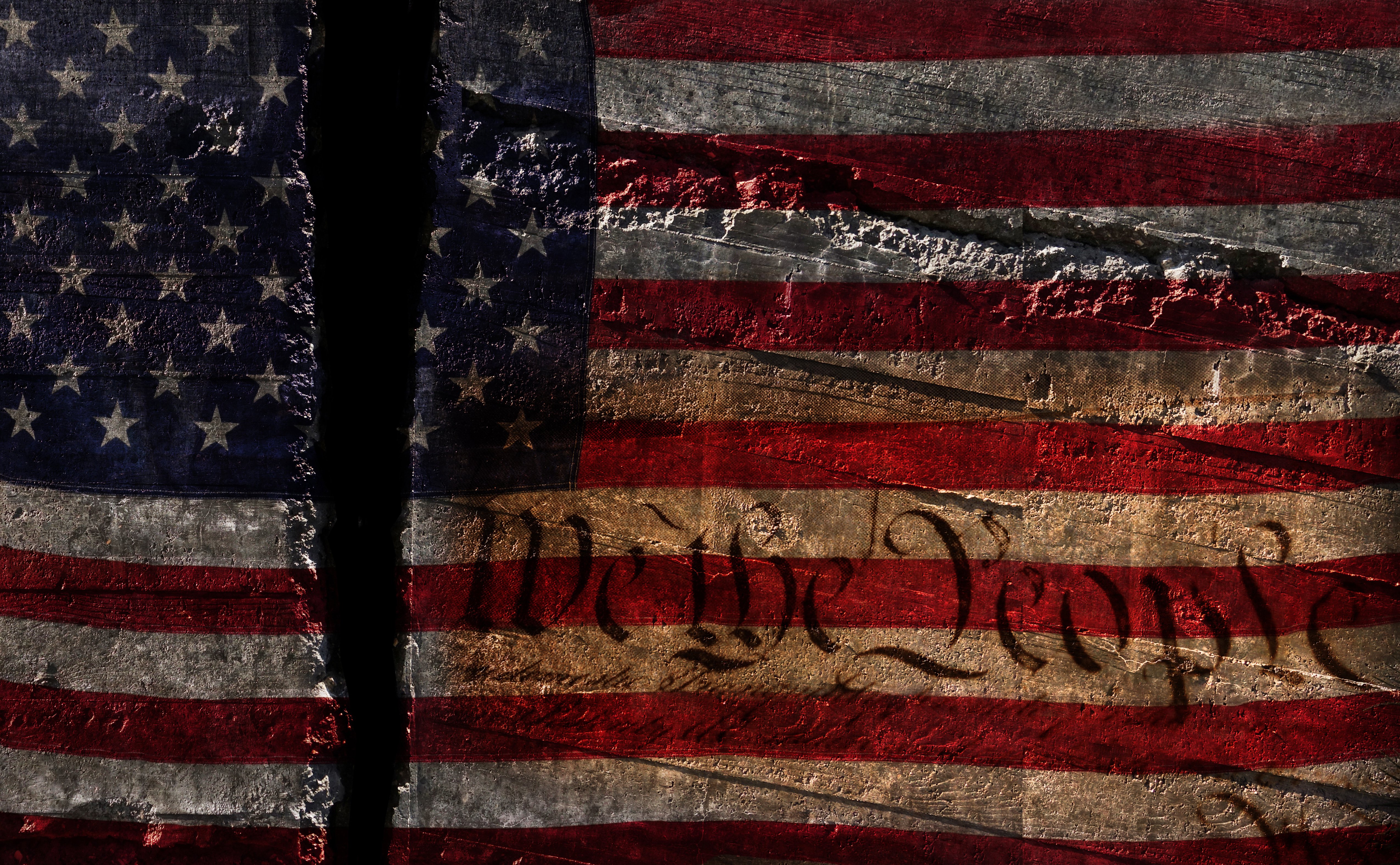
As the midterm elections approach, the prospect of a divided government—with a Democratic-controlled Congress squaring off against a Republican White House—has raised alarms about the viability of congressional oversight. The traditional framework for oversight, which relies on “voluntary accommodation” and mutual respect between branches, appears increasingly untenable in today’s hyperpartisan climate.
Legal experts argue that the mechanisms available to enforce subpoenas are cumbersome, slow, and often ineffective. The House’s primary enforcement tool—civil litigation—can drag on for years, easily outlasting a single Congress. A recent example is the McGahn case, where a federal appeals court questioned the House’s standing to sue without specific statutory authorization, leaving the issue unresolved.
Criminal contempt referrals are essentially dead on arrival when the target is from the same administration as the attorney general. The 2024 referral of Merrick Garland went nowhere, illustrating the political dead end. Impeachment, while theoretically possible, is a blunt and unwieldy instrument that has never succeeded in compelling compliance with a subpoena.
The most dramatic option—Congress’s inherent power to imprison or fine recalcitrant officials—has not been used since 1934, and a 2024 attempt to fine Garland $10,000 per day failed narrowly. Such a move against a sitting official would likely trigger a constitutional crisis, deterring all but the most aggressive partisans.
This oversight paralysis comes amid a broader erosion of public trust in government institutions. A recent poll found that public confidence in the federal government has hit a record low, further complicating any effort to hold the executive accountable. For more on this trend, see our coverage of the Fox News poll.
The implications for the separation of powers are profound. Without effective oversight, the executive branch could operate with minimal congressional check, undermining a core constitutional principle. As one former Biden administration lawyer put it, the current political environment may make effective oversight “utterly impossible.”
The next Congress will face a choice: accept a weakened oversight role or pursue aggressive legal and procedural tactics that risk further polarizing an already fractured political landscape. Either way, the traditional norms of interbranch comity appear to be casualties of the era.