In a rare public statement, Buc-ee's owner Arch Aplin III has broken his silence on the trademark dispute with Beaver Mini Mart in Beavercreek, Ohio, a case that has drawn national attention and widespread support for the small business.
Huber Heights Mayor Jeff Gore, who has been in direct contact with Aplin, shared details of their conversation on Facebook. According to Gore, Aplin indicated that the conflict might have been resolved amicably if not for Beaver Mini Mart's federal trademark application for the name "Beavermart," which was filed after Buc-ee's announced its upcoming location in nearby Huber Heights.

Gore quoted Aplin as saying, "Mr Aplin told me directly that Buc-ee's had no issues with Beavermart using the Beaver logo in Beavercreek. He understood and said that makes sense. What Buc-ee's did not want was a series of Beavermarts popping up across the state or regionally or eventually nationally that violated their trademark."
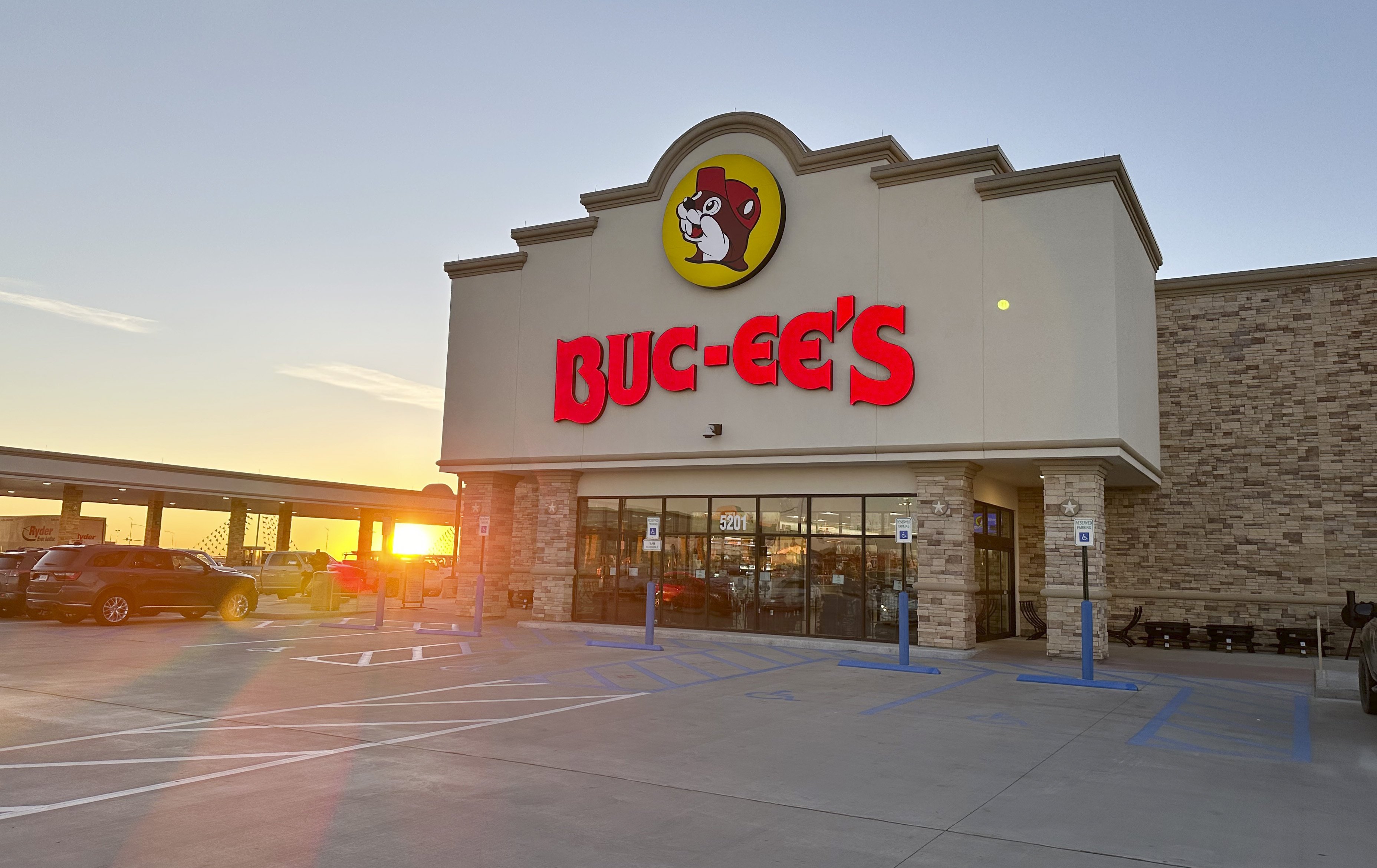
Aplin said he had reached out via email and mail in an attempt to resolve the matter, but only recently received a response from the mini mart. The lawsuit, filed by Buc-ee's, argues that Beaver Mini Mart's beaver logo—featuring "wide eyes and a smile" and using red as a predominant color—is too similar to Buc-ee's own beaver mascot and could confuse consumers.
The case has become a flashpoint for small-business advocates and Ohio politicians, who have rallied behind the locally owned store. A GoFundMe campaign for Beaver Mini Mart has raised more than $45,000 as of this publication, and a "cash mob" was held Friday in Beavercreek, urging residents to spend at least $20 at the store.
Legal experts say such trademark disputes are common, and many end with the smaller business changing its logo. Bryan Schroll, a law professor at Cedarville University, noted that most companies in this situation settle and rebrand.
Buc-ee's, the Texas-based travel center chain known for its massive stores and clean restrooms, has previously pursued trademark actions against other businesses across the country. The company's aggressive defense of its intellectual property is part of a broader pattern, as it seeks to protect its brand as it expands into new markets.
The outcome of this case could set a precedent for how far large corporations can go in policing their trademarks against small, locally named businesses. For now, the Beavercreek community remains firmly behind Beaver Mini Mart, and the legal battle continues.