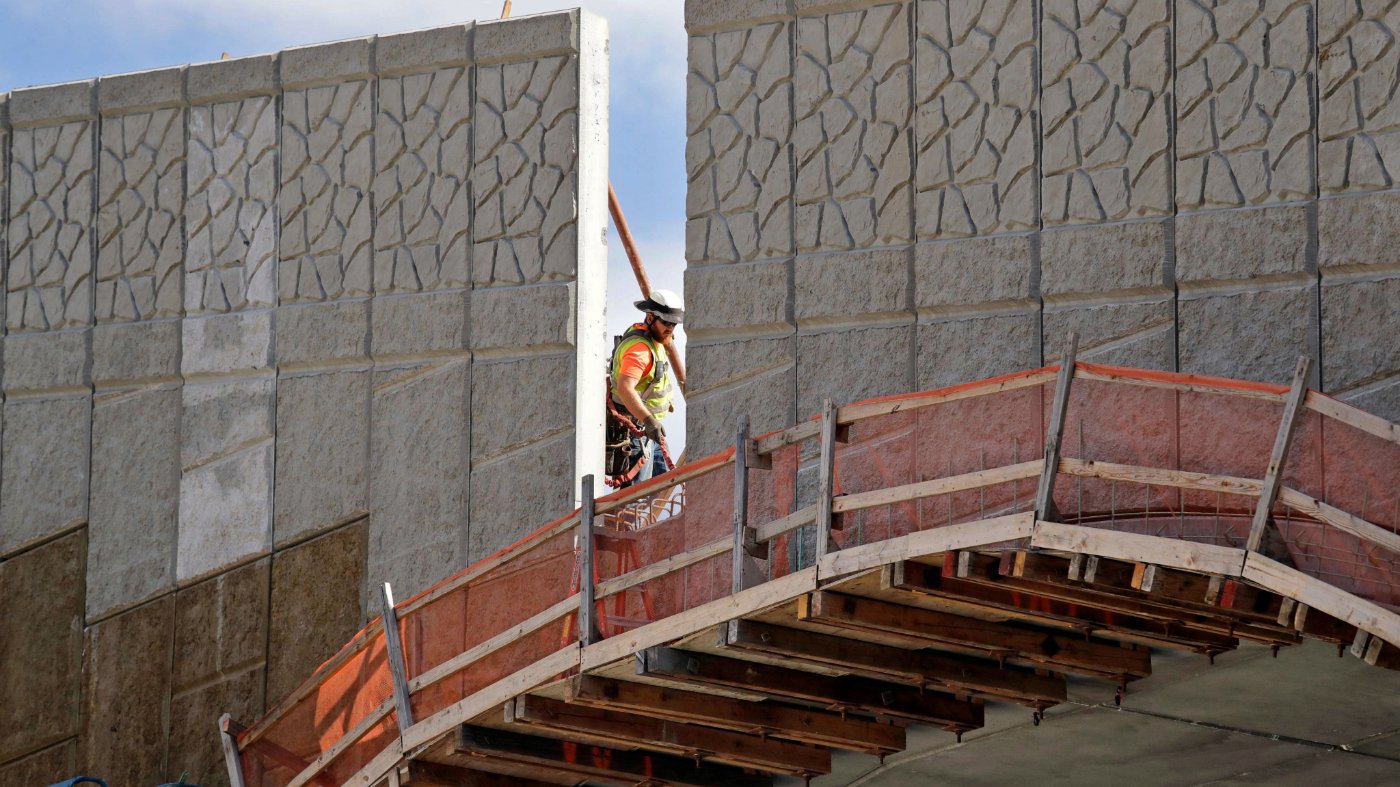
The nation's transportation network is the engine of the economy, ensuring commuters reach their destinations, goods move efficiently, and essential services remain accessible. The current surface transportation law, enacted five years ago, underpins these functions but is slated to expire in September. Lawmakers are now weighing its reauthorization, with the Senate proposing a short-term extension through early December to allow more time for a comprehensive bill. In May, the House Transportation and Infrastructure Committee advanced the BUILD America 250 Act with a resounding 62-2 bipartisan vote, signaling broad support for a new long-term framework.
However, the true cost-effectiveness of this legislation hinges on the fate of several under-the-radar but highly effective programs: the Wildlife Crossings Program, the Protect Program, and the National Culvert Removal, Replacement, and Restoration Grant. These initiatives address safety, disaster preparedness, and environmental stewardship, and their preservation and enhancement are critical to maximizing taxpayer returns.
Wildlife Crossings: A Proven Safety Net
Animal-vehicle collisions are a persistent national hazard, causing hundreds of fatalities, over 26,000 injuries, and economic losses exceeding $8 billion annually—more than $12 billion when adjusted for inflation. Rural communities, where wildlife and livestock are integral to local culture and economy, bear a disproportionate burden. Wildlife crossings—overpasses and underpasses combined with fencing—have demonstrated up to 97% reductions in collisions, improving safety, reducing medical costs, and minimizing traffic disruptions. They also facilitate animal migration and livestock grazing, supporting ecological and agricultural needs.
Demand for the Wildlife Crossings Program far exceeds its current authorization of $350 million over five years, with the first round of applications alone requesting nearly $550 million. Over a dozen states have enacted legislation to provide matching funds and compete for federal grants. The House bill would raise funding to $400 million, make the program permanent, and waive the cost-share match for Tribes, a positive step. Yet, to meet growing needs, Congress should increase annual funding to $100–$200 million, enabling broader project scale and planning.
Protect Program: Building Resilience Against Disasters
Extreme weather events damage transportation infrastructure and contribute to nearly 6,500 fatal crashes and over 450,000 injuries annually. The Protect Program helps states proactively reduce disaster risks by strengthening roads and bridges. For instance, West Virginia received $3 million to mitigate flood risks along a key evacuation route in Richwood, while Minnesota used formula funding to develop a resilience improvement plan that identifies vulnerabilities and response strategies.
The House bill would expand the competitive grant portion of the Protect Program, which fosters innovative resilience solutions. However, it would eliminate the formula funding component that provides every state with predictable annual resources. Currently, $7.3 billion in cumulative formula funding from the existing law gives states flexibility to address their unique needs. Maintaining a balance between formula and competitive grants is essential to sustain nonfederal investment in resilient infrastructure, especially as disasters become more frequent and costly.
Culvert Upgrades: Preventing Costly Failures
Approximately 68 million culverts—structures that allow water and wildlife to pass under roads—were built with 1950s-era designs and are now vulnerable to failure during intense storms. When they collapse, local economies suffer from washed-out roads and flooded homes, businesses, and farms. Replacing these structures proactively is far cheaper than emergency repairs. Undersized culverts also block habitat access and increase maintenance costs.
The House bill appropriately preserves the National Culvert Removal, Replacement, and Restoration Grant at current funding levels, ensuring support for upgrades that reduce disaster risk, improve sediment and debris passage, and restore stream functions. Congress should maintain this commitment.
As the reauthorization process moves forward, lawmakers from both parties have an opportunity to strengthen these programs. The bipartisan backing of the BUILD America 250 Act demonstrates that investing in safety and resilience is a shared priority. By enhancing wildlife crossings, preserving Protect formula funding, and supporting culvert replacements, Congress can ensure the next transportation bill delivers lasting benefits for communities, wildlife, and taxpayers alike. For more on related policy debates, see the impact of environmental rollbacks and the bipartisan call for public health investment.