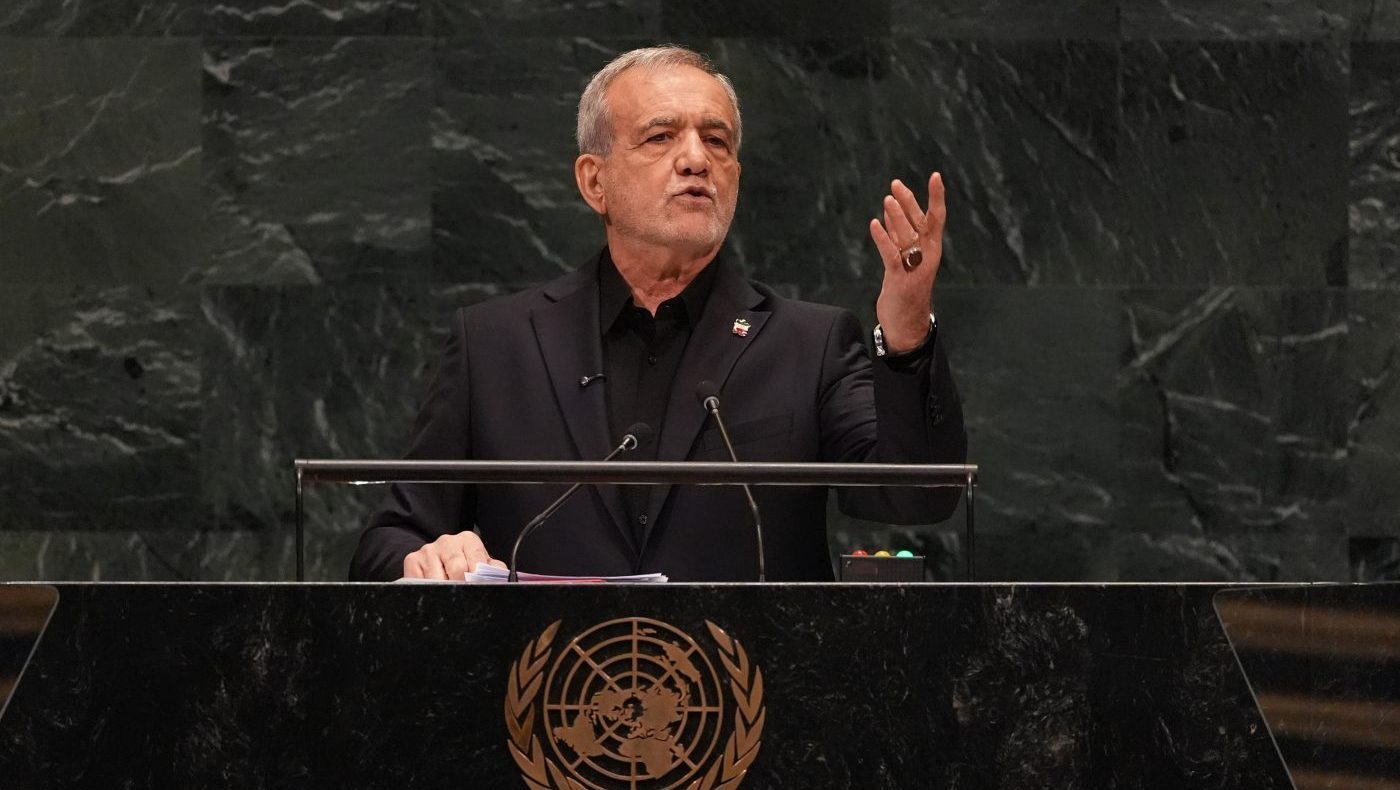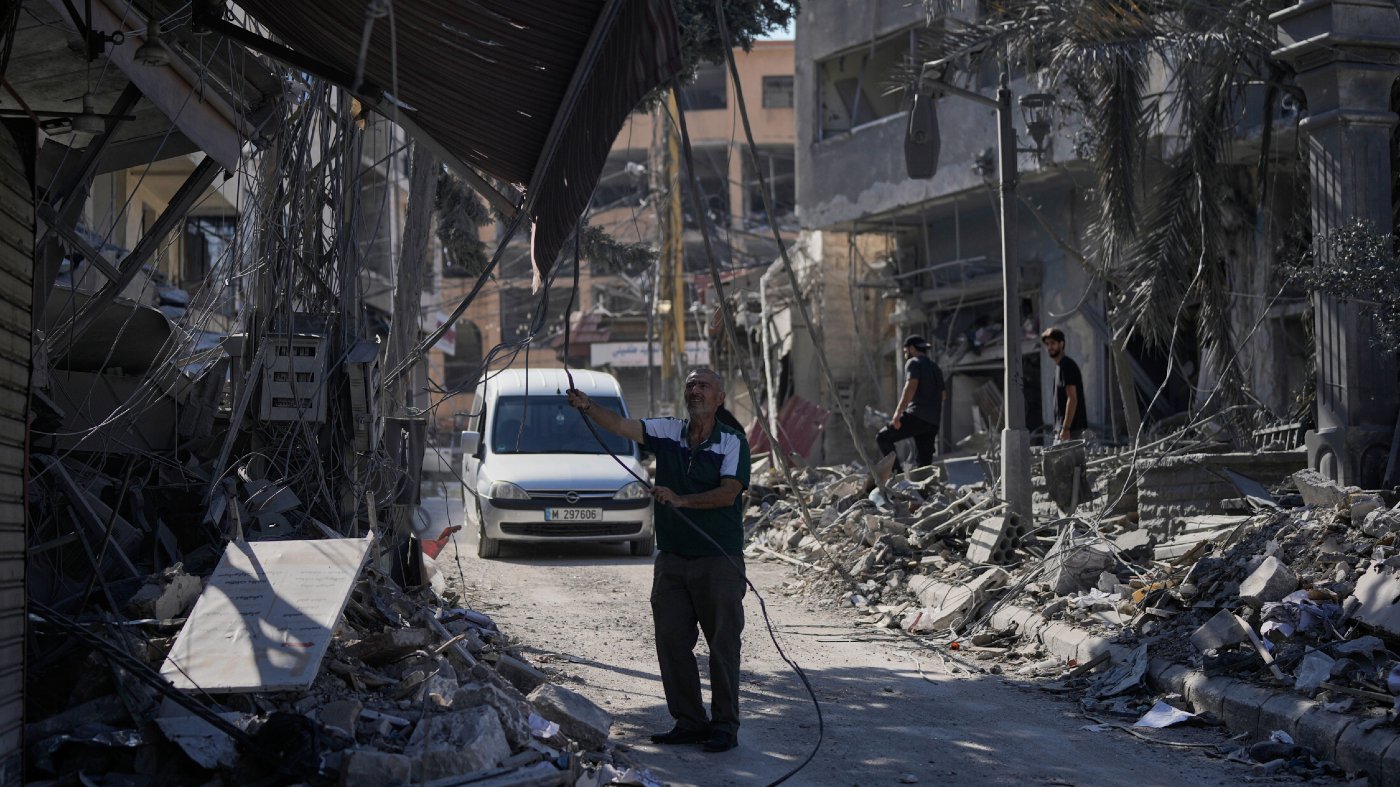
The Trump administration is projecting contradictory signals regarding Iran's involvement in Lebanon, as Tehran maneuvers to maintain its proxy militia Hezbollah during ongoing Israeli-Lebanese negotiations. The fifth round of direct talks between Israeli and Lebanese officials is currently underway in Washington, D.C., following initial rounds that had effectively sidelined Iranian influence.
Secretary of State Marco Rubio attempted to draw a clear line on Tuesday, telling reporters that the U.S.-mediated discussions between Israel and Lebanon are distinct from separate American negotiations with Iran. Rubio emphasized that Washington would address Tehran's support for Hezbollah directly with Iranian officials, not through the Lebanese channel.
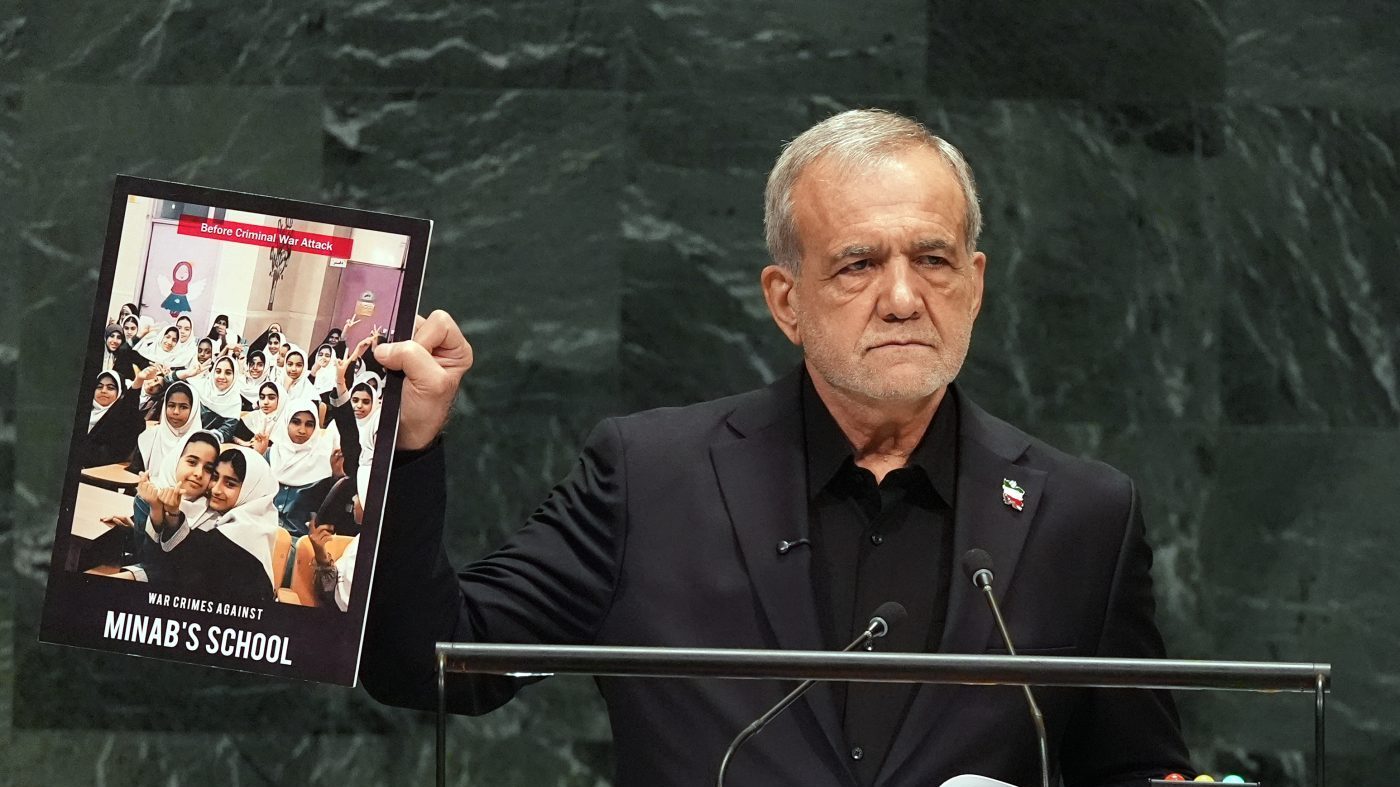
Yet earlier this week, Rubio and Vice President Vance communicated a different message during a call with Lebanese President Joseph Aoun. They informed Aoun that Iran would participate in a “de-confliction” cell designed to monitor the ceasefire between Israel and Hezbollah, with Qatar and Pakistan also acting as mediators. This move effectively gives Tehran a seat at the table in overseeing the truce.
The fighting between Israel and Hezbollah has not completely stopped, though its intensity has decreased. The ceasefire monitoring mechanism remains a critical point of contention, as Iran's inclusion could legitimize its role in Lebanon and bolster Hezbollah's standing.
The mixed signals from the Trump administration come amid broader tensions over Iran policy. Republican senators have recently backed away from a war rebuke resolution, preserving the president's room to negotiate with Tehran. Meanwhile, fiscal conservatives in the GOP are pushing back against a proposed $1.5 trillion defense and Iran war funding push.
Iran's strategy in the talks appears focused on protecting its most valuable proxy, Hezbollah, which serves as a key lever of influence in the region. The militia's military capabilities and political power in Lebanon make it a central issue in any diplomatic arrangement between Israel and its northern neighbor.
“The only issue is Hezbollah,” a source familiar with the talks told The World Signal, underscoring how Tehran's proxy remains the primary sticking point. The inclusion of Iran in the de-confliction cell raises questions about whether the U.S. is inadvertently strengthening Iran's position in Lebanon.
As the talks continue, the administration's approach to Iran remains under scrutiny. The outcome of these negotiations could have significant implications for regional stability, U.S. relations with both Israel and Lebanon, and the broader power struggle between Washington and Tehran.