The House is barreling toward a floor vote next week on a revamped bipartisan housing bill, defying President Trump's demand that the lower chamber simply take up the Senate-approved version. The move signals a growing rift between House Republicans and the White House over legislative strategy on a key affordability issue.
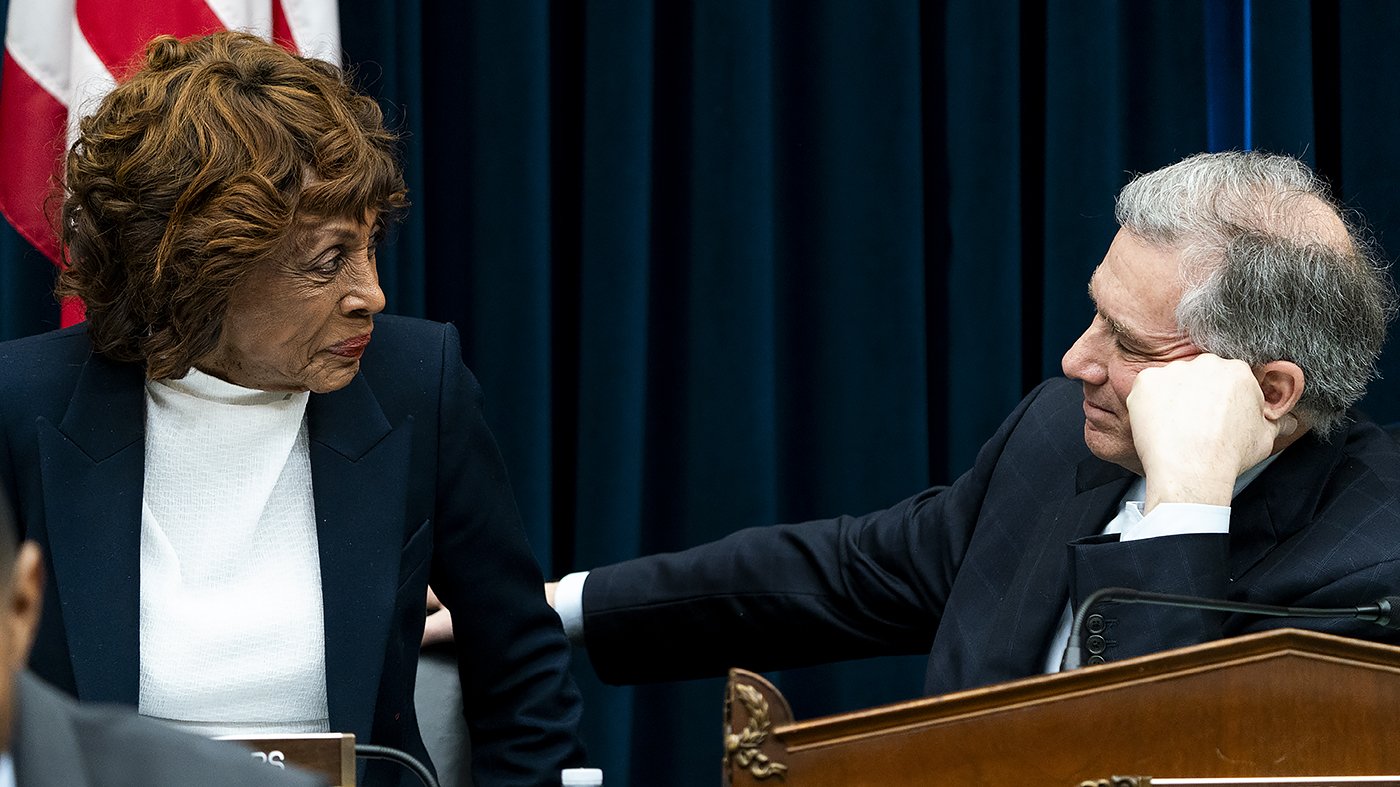
House Financial Services Committee Chair French Hill (R-Ark.) and ranking member Maxine Waters (D-Calif.) unveiled the House's amended version of the "21st Century ROAD to Housing Act" on Thursday. The Senate passed its own iteration in March with overwhelming bipartisan support, 89-10.

The most notable change: House leaders stripped a controversial provision that would have forced large institutional investors in build-to-rent single-family homes to sell those properties within seven years. That clause had drawn fierce opposition from hard-line conservatives, who argued it represented government overreach into private housing markets. The revised text now explicitly states that institutional investors are not required to sell or divest "any covered single-family home purchased before or after the date of enactment of this Act."
However, the bill retains a temporary ban on the creation of a central bank digital currency (CBDC) through 2030—a provision that remains a flashpoint. Members of the House Freedom Caucus and other privacy-focused conservatives have pushed for a permanent ban, and the current language is expected to draw renewed criticism from that flank. The CBDC issue has become a key test for lawmakers wary of government surveillance of financial transactions, a debate that has also surfaced in discussions around broader concerns about government overreach.
If the House passes its version, the bill would need to go back to the Senate for approval. It remains uncertain whether the upper chamber will accept the changes. The Senate's strong initial vote suggests some appetite for compromise, but the removal of the investor divestiture requirement and the CBDC language could complicate negotiations.
Trump took to Truth Social on Monday evening to urge Congress to pass the Senate measure, arguing it "would ensure that homes are for people, not Corporations." But Speaker Mike Johnson (R-La.) told reporters earlier this week that his goal was to deliver "a bipartisan, bicameral bill to the president's desk," signaling a deliberate break from Trump's directive. The tension echoes other instances where House leaders have charted their own course, such as the bipartisan effort to overhaul sexual misconduct rules.
The legislation includes a suite of affordability measures: incentives to build new homes, a program to convert abandoned buildings into housing developments, and grants to modernize existing housing stock. These provisions are central to Republicans' broader messaging as they try to convince voters they are tackling cost-of-living concerns heading into the 2026 midterm elections. The housing crisis remains a top issue for many constituents, and the bill's fate could shape the party's electoral prospects.
The clash between the House and Senate—and between the House and Trump—underscores the political stakes. With the midterm cycle already heating up, both chambers are under pressure to show progress on affordability. But the procedural hurdles and ideological divisions over investor regulation and digital currency could stall the bill, leaving lawmakers to explain to voters why a seemingly popular measure has stalled.