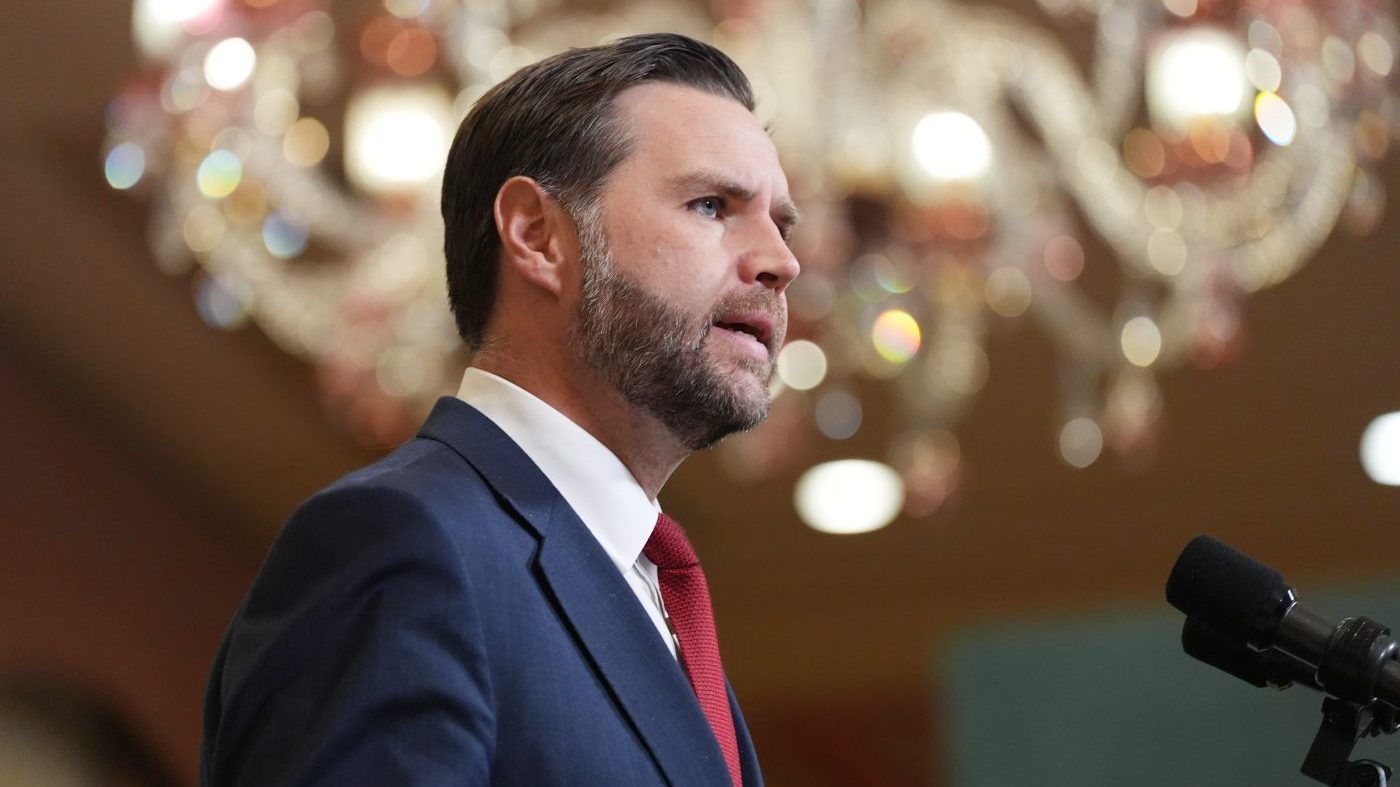
Vice President Vance is set to deliver remarks in Bangor, Maine, on Thursday, using the platform to promote the Trump administration's economic record and its expanding crackdown on fraud in federal programs. The speech comes at a critical juncture as the administration escalates its anti-fraud push, with Vance serving as the White House's designated “fraud czar.”
Appointed by President Trump to lead the newly created White House task force on combatting fraud, Vance chairs the panel established by executive order in March. The task force is central to the administration's broader effort to root out waste and abuse, a theme that resonates strongly with the president's base.
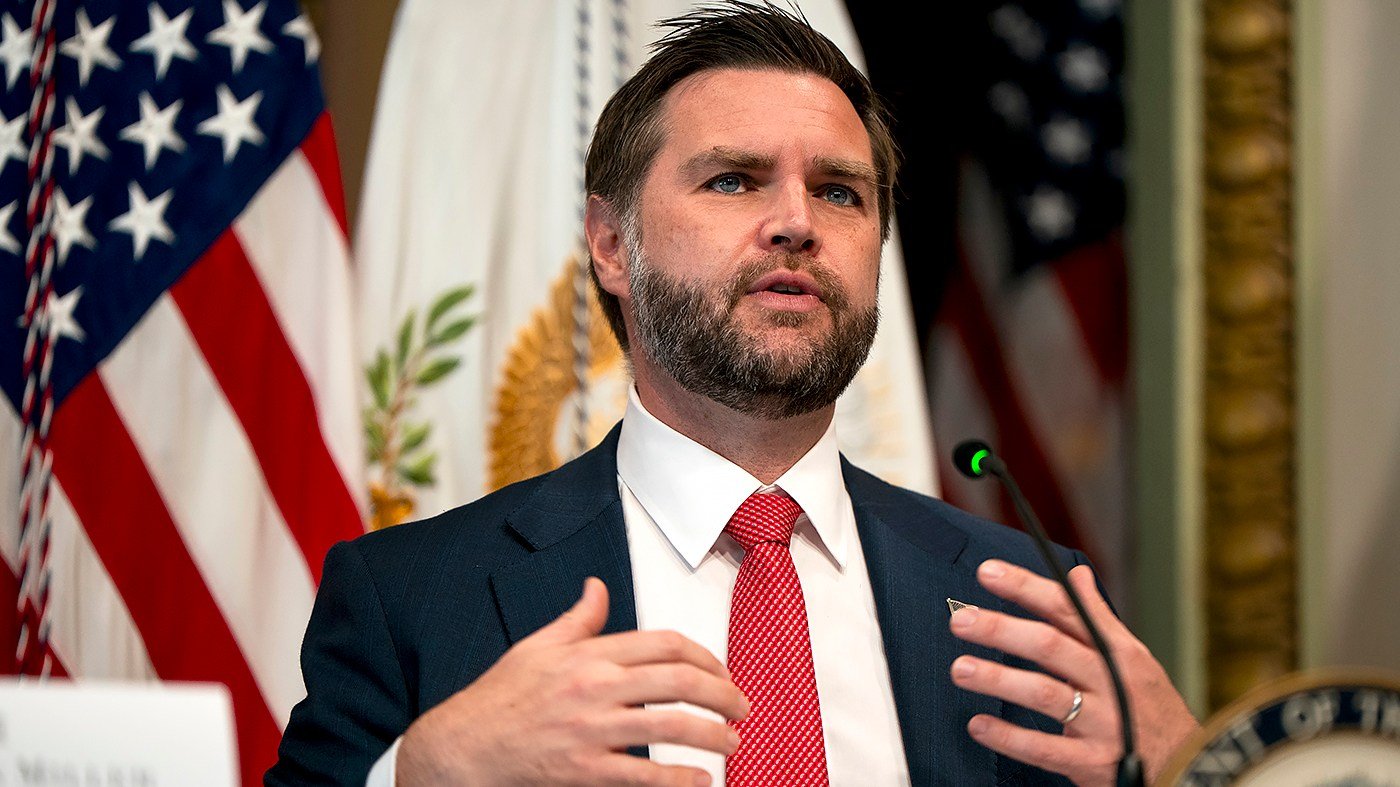
Thursday's event also offers Vance a key opportunity to sell Trump's economic agenda ahead of the 2026 midterm elections. The vice president's appearance in Maine underscores the administration's focus on swing states and its push to tie Democratic lawmakers to what Trump officials call “reckless spending.”
The speech follows a major policy move: on Wednesday, the administration announced it would withhold Medicaid funding from all 50 states unless they comply with federal anti-fraud statutes. This sweeping directive has drawn sharp criticism from state officials and healthcare advocates, who argue it could disrupt coverage for millions of low-income Americans. The administration counters that it is necessary to prevent billions in improper payments.
Vance is expected to highlight the administration's successes in reducing what it calls “wasteful government spending” and to outline new measures to protect taxpayer dollars. The anti-fraud task force has already targeted several federal programs, including pandemic relief funds and unemployment insurance, with officials promising more audits and criminal referrals.
The event in Bangor is scheduled to begin at 12:30 p.m. EDT. A live video feed is available for viewers.
The vice president's remarks come amid a broader political landscape where anti-fraud messaging is increasingly central to Republican strategy. The administration's recent actions, including the Medicaid funding threat, have drawn comparisons to earlier efforts to tighten oversight of federal benefits. However, critics warn that withholding healthcare funds could backfire politically, especially in states like Maine where Medicaid expansion has been popular.
Vance's appearance also dovetails with ongoing debates over federal spending and accountability. The House has recently advanced anti-fraud bills that critics say fall short of what's needed to ensure program integrity before new crisis aid is approved. Meanwhile, the administration's approach to federal oversight remains a flashpoint, with some accusing the White House of using anti-fraud rhetoric to justify cuts to social programs.
As the 2026 midterms approach, both parties are jockeying for advantage on economic and fiscal issues. For Vance, Thursday's speech is a chance to frame the Trump administration as a bulwark against fraud and a driver of economic growth, even as Democrats argue that the administration's policies favor the wealthy at the expense of working families.