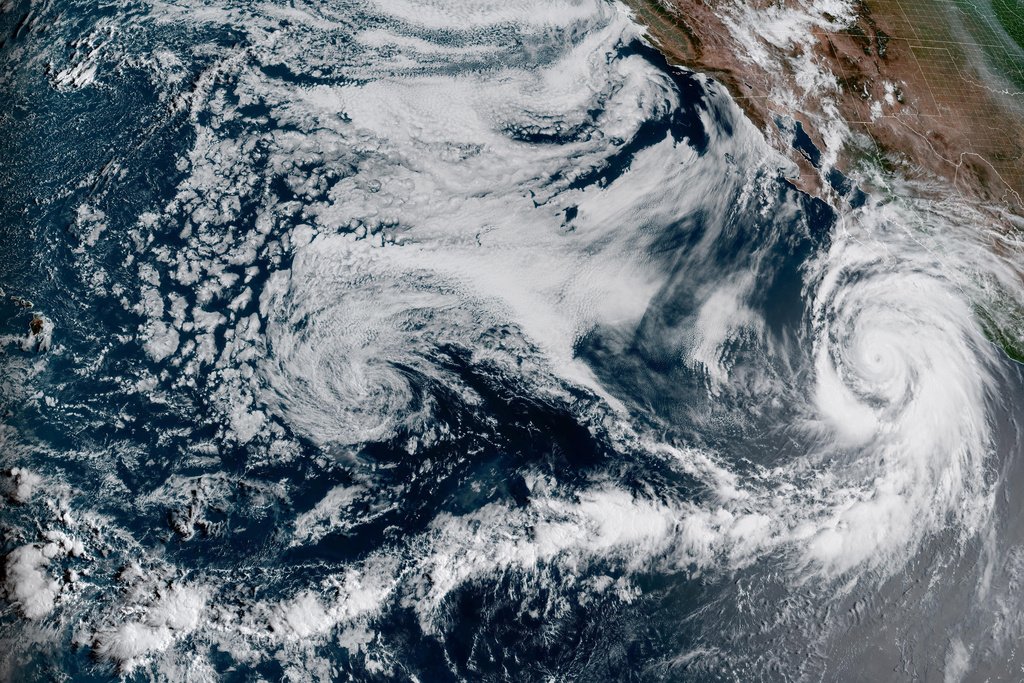
The National Weather Service has significantly raised the probability of a powerful El Niño developing this spring, with new data showing an 82% likelihood the climate pattern will emerge between May and July. Forecasters warn that conditions could escalate into a so-called 'super El Niño' by winter, when the phenomenon typically reaches its peak intensity.
Odds Climb Through Winter
As the year progresses, the chances of El Niño persisting only increase. The agency now projects a 96% probability that El Niño will hold through the winter months, the period when it historically exerts the strongest influence on global weather patterns. This would mark the first significant El Niño event in several years, raising concerns about extreme weather from California to Southeast Asia.

The updated forecast, released Thursday, reflects a rapid shift from neutral conditions earlier this year. Scientists point to warming sea surface temperatures in the equatorial Pacific as the primary driver, with models suggesting a high likelihood of sustained anomalies above 1.5 degrees Celsius. If that threshold is crossed, it would officially qualify as a strong El Niño.
Super El Niño in Play
Meteorologists are increasingly discussing the possibility of a 'super El Niño,' defined as an event where sea surface temperatures exceed 2 degrees Celsius above normal. While still uncertain, some models indicate a growing chance of such an extreme outcome. The last super El Niño occurred in 2015-2016, contributing to record global heat and widespread droughts.
Political and economic implications are already being weighed. Agricultural markets are bracing for potential disruptions to crop yields, particularly in the Americas and Australia. Energy traders are monitoring the outlook for shifts in heating and cooling demand, while insurers reassess risk models for floods and wildfires. The developing El Niño also intersects with ongoing debates over climate adaptation funding, as seen in recent midterm campaign ad blitzes where environmental resilience became a wedge issue.
Global Ramifications
El Niño's effects ripple across continents. In the United States, it typically brings wetter conditions to the southern tier and a milder winter to the northern states. However, a super El Niño could amplify these patterns, increasing flood risks in California and the Gulf Coast while exacerbating drought in the Pacific Northwest. International impacts are equally stark: Indonesia and Australia often face severe dry spells, while parts of South America see heavier rains.
The forecast arrives amid a broader political landscape where climate volatility is already a flashpoint. For instance, the growing defense autonomy in Europe has been partly driven by the need to secure supply chains against climate shocks. Meanwhile, domestic debates over criminal justice reform and economic relief programs are increasingly tied to disaster preparedness funding.
What Comes Next
The National Weather Service will issue monthly updates as the spring transition approaches. If El Niño materializes as projected, it will reshape weather patterns well into 2025. For now, policymakers and industries are urged to begin contingency planning. As one forecaster noted, 'The signal is clear: prepare for a potentially major event.'
In the coming weeks, the Biden administration is expected to face renewed pressure to bolster Federal Emergency Management Agency resources and accelerate climate resilience projects. The rising dependence on short-term loans for basic needs highlights how vulnerable populations could be hit hardest by extreme weather, adding a social equity dimension to the forecast.
The clock is ticking. With odds now exceeding 80%, the question is no longer whether El Niño will arrive, but how severe it will become.