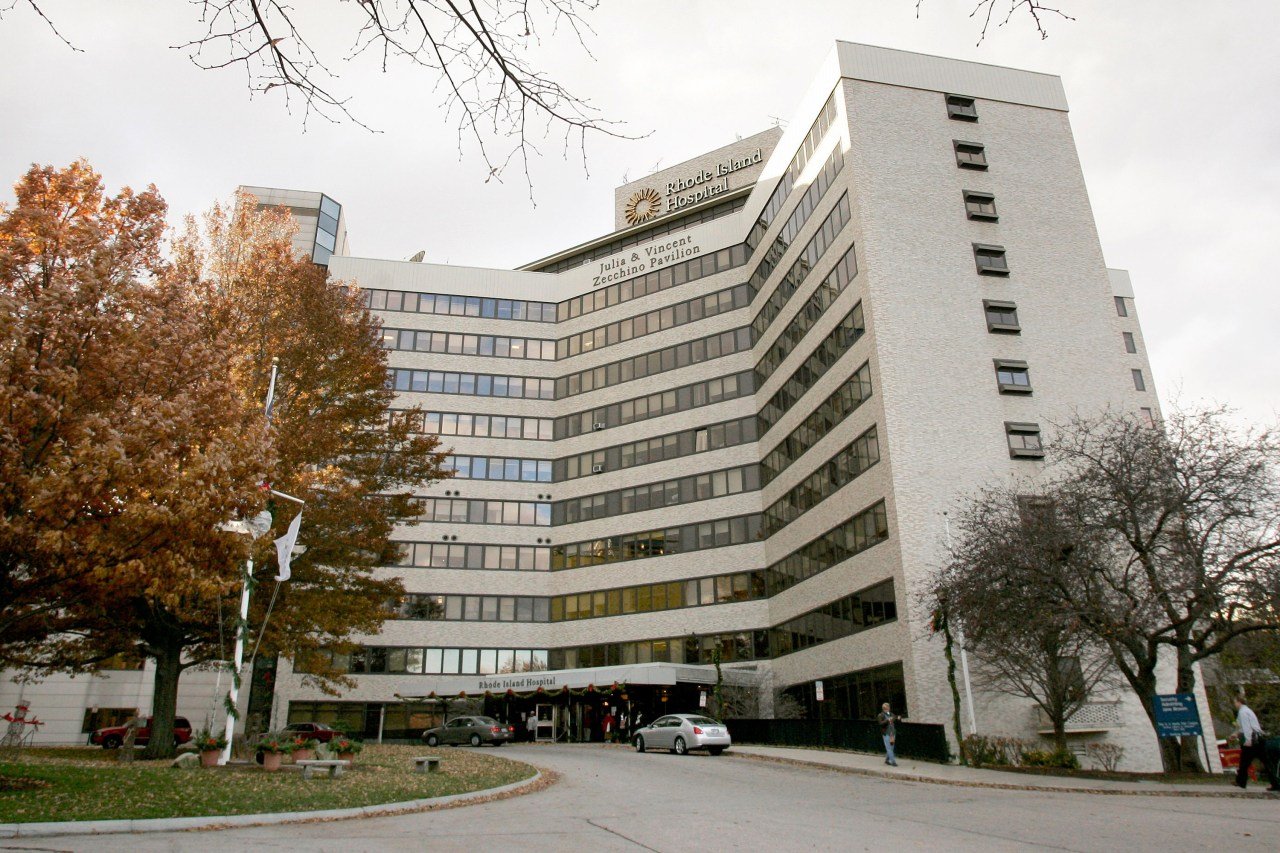
A federal judge in Rhode Island has dealt a fresh blow to the Trump administration’s aggressive push to obtain confidential medical records of transgender minors, blocking a sweeping subpoena against the state’s largest hospital.
U.S. District Judge Mary McElroy ruled Wednesday that the Justice Department’s demand for names, birth dates, Social Security numbers, and addresses of every transgender patient treated over the past five years at Rhode Island Hospital was unjustified. Her decision marks the latest judicial rejection of a coordinated subpoena campaign that has targeted more than 20 hospitals and doctors nationwide since last summer.

Court Cites DOJ’s ‘Unworthy’ Conduct
In her ruling, McElroy sharply criticized the department’s tactics, writing that the DOJ holds “immense prosecutorial authority and discretion” but has “proven unworthy of this trust at every point in this case.” She noted that the administration has publicly characterized gender-affirming care for minors as abuse and celebrated when hospitals curtailed such programs in response to the subpoenas.
The Justice Department quickly pushed back, vowing to appeal. A DOJ spokesperson called McElroy’s remarks “an outrageous and unjustified attack on the professionalism and integrity of DOJ attorneys.”
Subpoena Demanded Wide Range of Records
The subpoena, issued from the Northern District of Texas, required Rhode Island Hospital to turn over extensive documentation, including intake forms, guardian authorizations, and records detailing adverse side effects of puberty blockers or hormone therapy. The DOJ argued that the information was needed to investigate potential fraud or unlawful off-label promotion of drugs, specifically pointing to concerns about pharmaceutical companies offering “financial incentives” to doctors to prescribe puberty blockers.
Assistant U.S. Attorney Brantley Mayers told the court that the investigation focused on possible “misbranding” of FDA-approved drugs and that interviewing families of transgender youth was a key objective. McElroy rejected that rationale, echoing concerns from at least seven other federal courts that have limited or quashed similar subpoenas.
Political Context and Ongoing Legal Battles
The Rhode Island decision comes amid a broader legal fight over transgender health records. Earlier this week, 11 families filed a class-action lawsuit in Maryland federal court seeking to block the DOJ from obtaining their children’s medical information. Separately, NYU Langone in New York publicly acknowledged receiving a grand jury subpoena from Texas prosecutors, the first hospital system to do so, and said it was weighing its response.
Kevin Love Hubbard, an attorney with the Lawyers’ Committee of Rhode Island, praised the ruling, saying, “The government cannot use its subpoena power to intimidate families out of seeking lawful medical care. To trans and gender-diverse children and their families, we want you to know that you are valued, you are not alone.”
Gender-Affirming Care Under Siege
Gender-affirming care encompasses a range of medical and mental health services—including counseling, puberty blockers, hormone therapy, and surgery—to support a person’s gender identity. Most major medical groups deem such care essential for those with gender dysphoria. However, at least 27 states have enacted laws restricting or banning the care for minors, while several others have moved to protect access.
The Trump administration’s subpoena campaign is widely seen as part of a broader political effort to curtail transgender rights. As the legal battles continue, the Rhode Island ruling underscores growing judicial skepticism toward the DOJ’s tactics and raises questions about the limits of prosecutorial power in politically charged investigations.