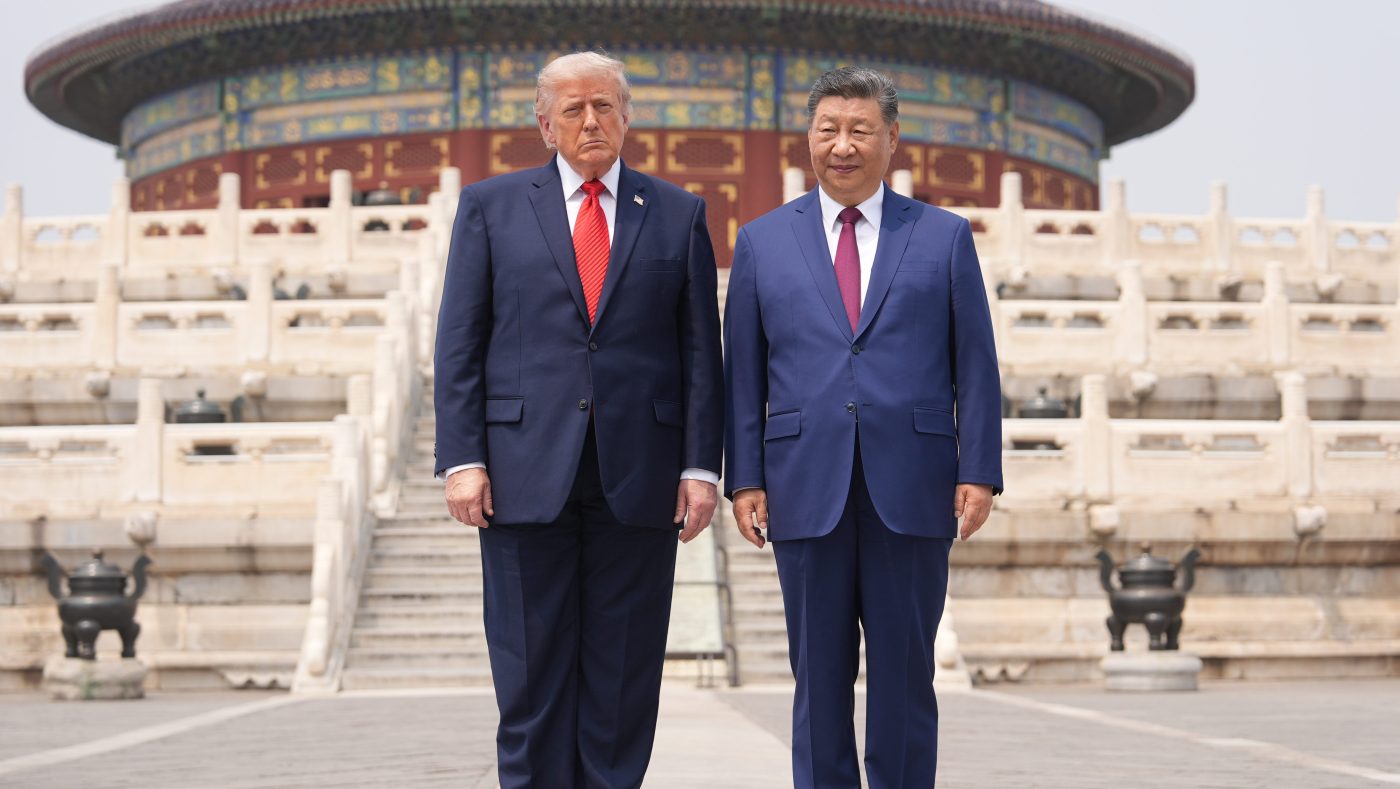
President Donald Trump said Thursday that Chinese President Xi Jinping personally assured him Beijing would halt the transfer of military equipment to Iran during their bilateral meeting in Beijing. The claim, delivered in an interview with Fox News’ Sean Hannity, injects new tension into the already fraught U.S.-Iran dynamic and raises questions about China’s role in the region.
“He said he’s not going to give military equipment. That’s a big statement. He said that today,” Trump told Hannity. The president added that Xi “said that strongly, but at the same time he said you know they buy a lot of their oil there and they’d like to keep doing that. He’d like to see Hormuz strait opened.”
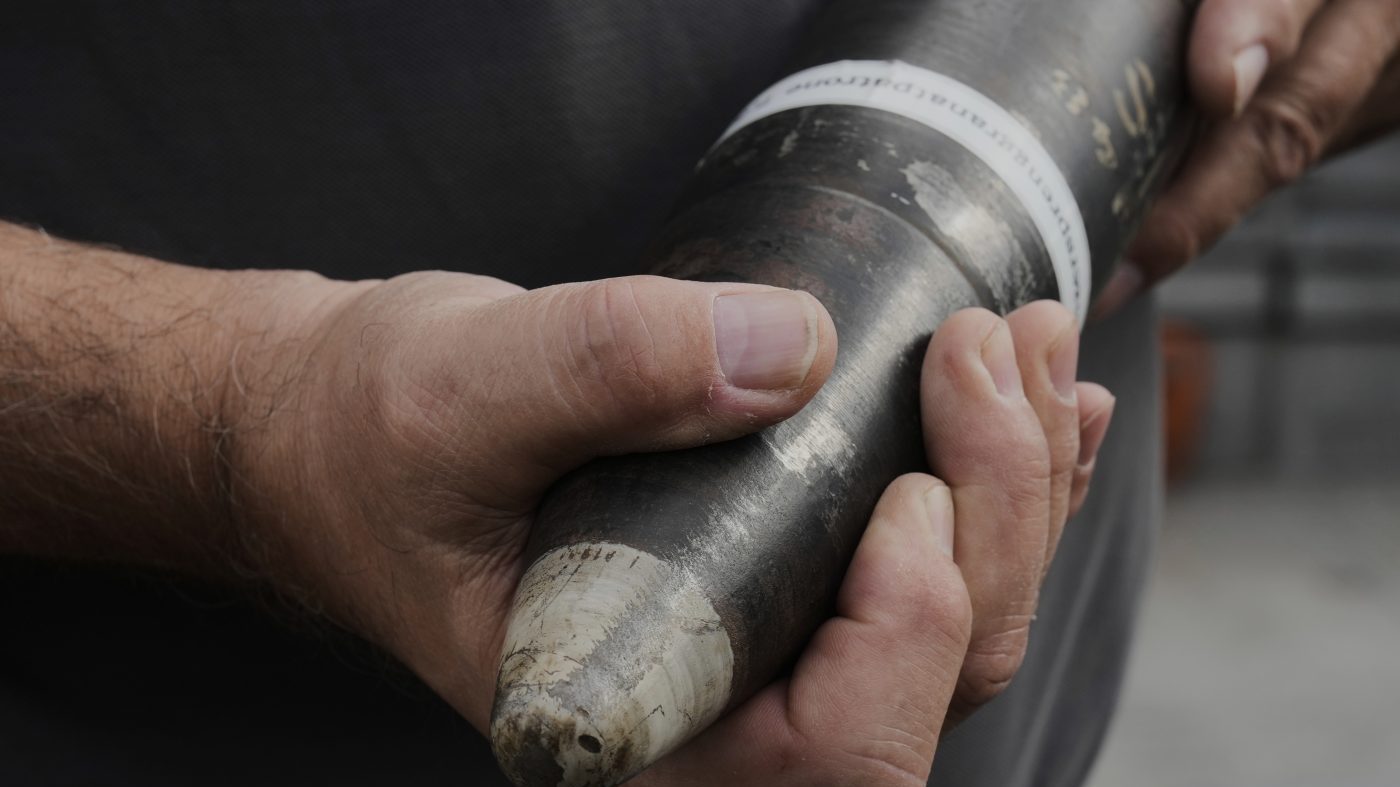
The comments come as the White House and Pentagon have repeatedly warned about Chinese military assistance to Tehran. The New York Times reported Wednesday that U.S. intelligence indicates Chinese companies have held discussions with Iranian officials about potential arms deals, possibly routing shipments through intermediary nations to evade detection.
Beijing has consistently denied providing weapons to Iran. “We have responded to such questions many times, and we oppose the spread of false information,” Zhang Xiaogang, spokesman for China’s Ministry of National Defense, told reporters late last month. Still, the Trump administration has pressed the issue in diplomatic channels, and Trump’s latest remarks suggest the topic was central to his face-to-face talks with Xi.
The summit’s official readout, released by the White House, echoed Trump’s framing. “The two sides agreed that the Strait of Hormuz must remain open to support the free flow of energy,” a White House official said. “President Xi also made clear China’s opposition to the militarization of the Strait and any effort to charge a toll for its use, and he expressed interest in purchasing more American oil to reduce China’s dependence on the Strait in the future. Both countries agreed that Iran can never have a nuclear weapon.”
Trump’s assertion adds a new layer to the delicate balance in the Persian Gulf, where Iran has threatened to disrupt oil shipments through the Strait of Hormuz. The region remains a flashpoint, with U.S. and allied naval forces patrolling to ensure free passage. Senator Marco Rubio has also weighed in, noting that Washington and Beijing share an interest in preventing the militarization of the waterway. In a recent statement, Rubio said the two powers align against any effort to block the strait, a position that could test China’s claims of neutrality.
Xi’s pledge—if accurate—would mark a significant concession to Trump’s maximum-pressure campaign on Iran. However, skeptics point to China’s long-standing economic ties with Tehran, including substantial oil purchases, as a counterweight. Trump acknowledged this tension, saying Xi “would like to keep doing that” regarding Iranian oil imports.
The episode underscores the complexity of U.S. diplomacy with China, where trade, energy security, and military nonproliferation intersect. As the Trump administration continues its push to isolate Iran, the reliability of Xi’s commitment will be closely watched by allies and adversaries alike.