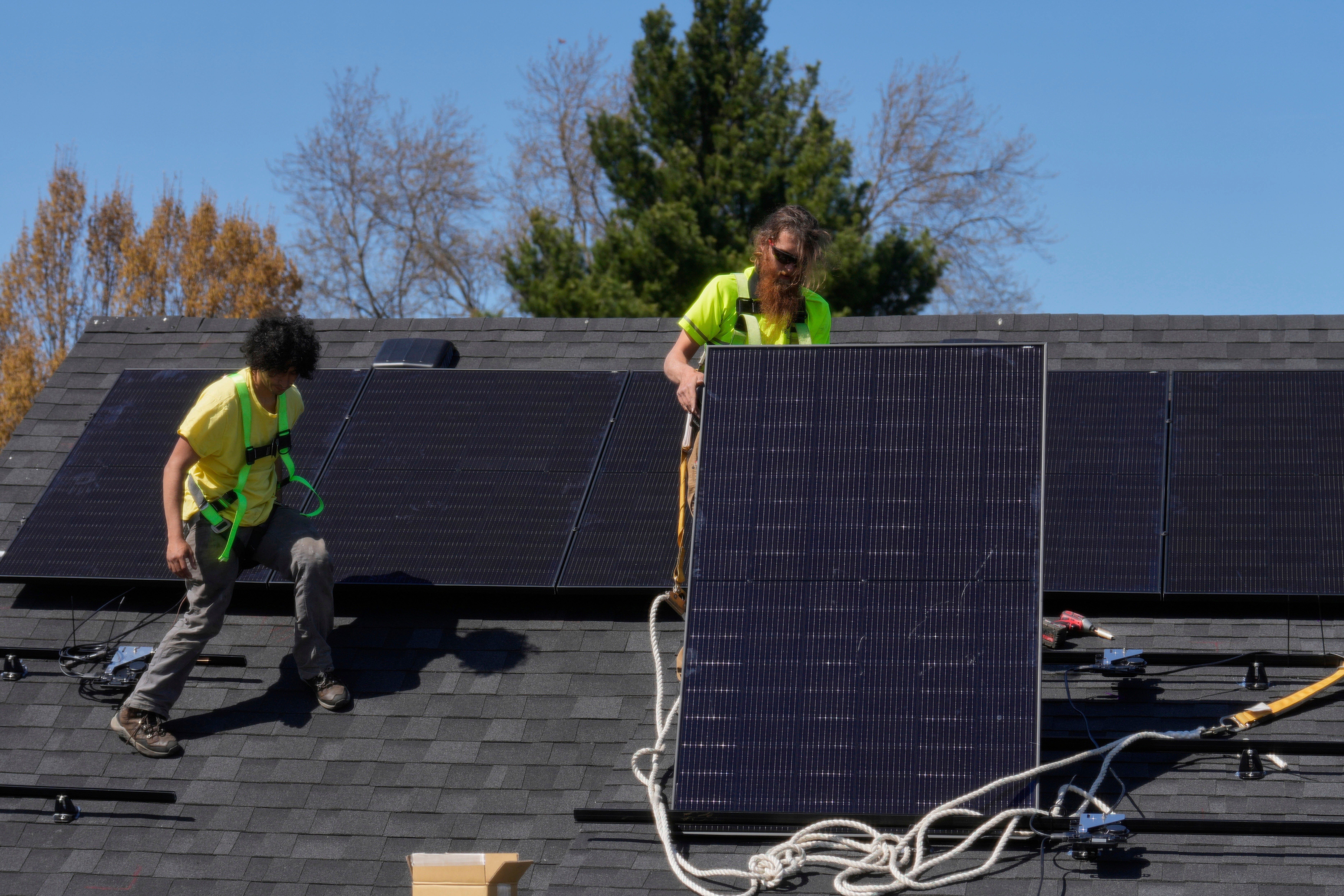
Following a Supreme Court ruling that expanded presidential immunity, America's fossil fuel sector is mounting a parallel campaign for legal protection from accountability for climate-related damages. The industry, along with the Trump administration and Republican state officials, is pursuing measures that would shield oil, gas, and coal companies from lawsuits seeking to recover costs linked to pollution and extreme weather events.
The Cost of Concealment
For decades, internal industry documents have shown that major fossil fuel producers understood their products' role in destabilizing the global climate. Rather than publicizing this knowledge, many companies engaged in campaigns to obscure the science, promote misleading narratives, and leverage political influence to hinder the development of cleaner energy competitors. What was once celebrated as the engine of the Industrial Revolution is now identified as a leading contributor to public health crises, including premature deaths and childhood asthma, and the intensification of destructive weather patterns.
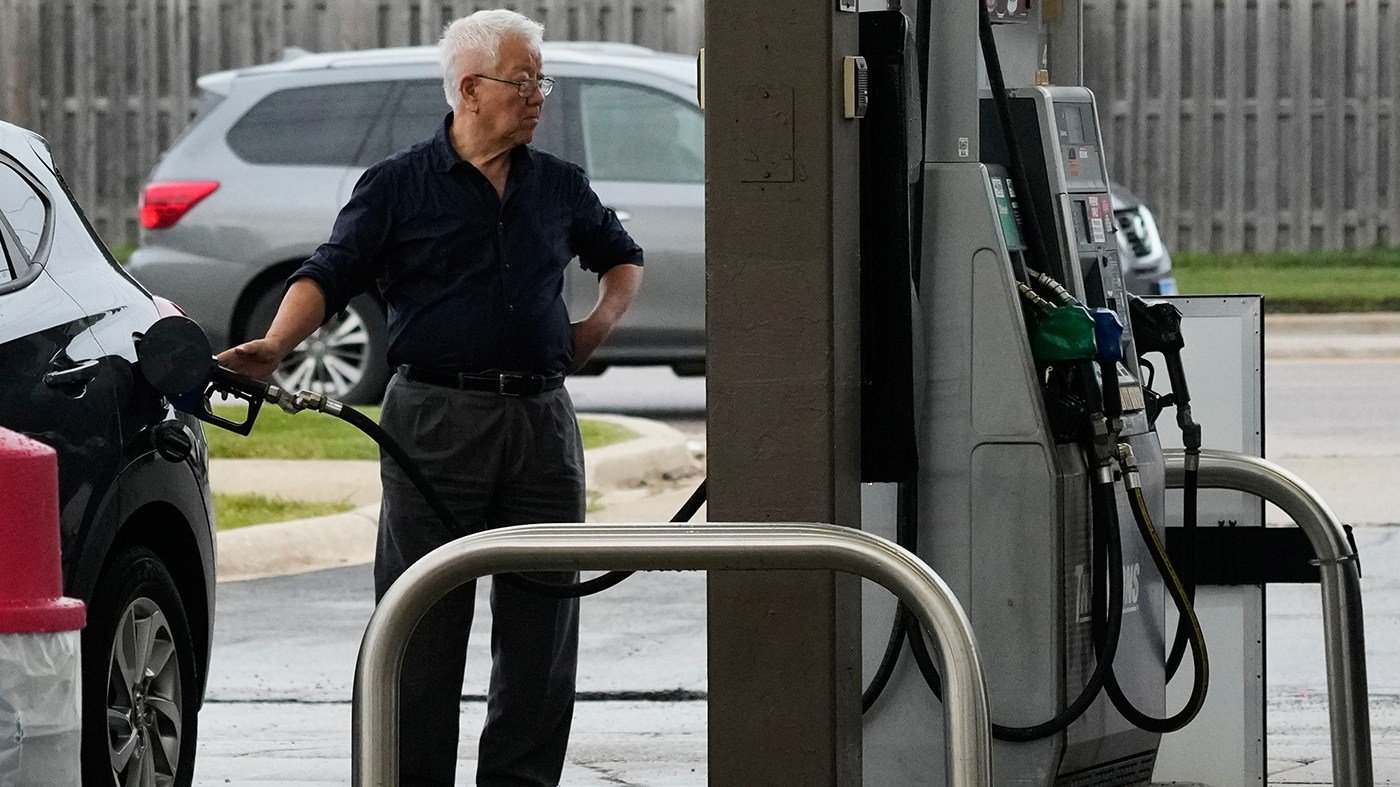
The true economic burden of this pollution remains largely hidden from consumers. While prices at the pump or on utility bills do not reflect it, society bears massive externalized costs. A Bloomberg analysis found climate-related costs in the U.S. approached $1 trillion in a recent 12-month period. Overall, fossil fuel air pollution costs the nation roughly $800 billion annually. When all associated damages are accounted for—including medical expenses, inflated insurance premiums, property destruction, and federal disaster relief—the toll amounted to over $2,200 per American in 2022 alone.
The Legal Front
Faced with these escalating costs, state and local governments are turning to the judiciary. More than 3,300 climate liability lawsuits are currently active against oil and gas companies in U.S. courts. In response, the industry is pursuing a two-pronged legal strategy: aggressively litigating against opponents while seeking comprehensive liability shields.
This push has found a receptive audience in several Republican-led states. Utah recently became the first state to enact a law protecting the industry from climate damage liability. Similar legislation is under consideration in Tennessee, Louisiana, Oklahoma, and Iowa. Furthermore, sixteen Republican attorneys general have petitioned the U.S. Justice Department to advocate for a nationwide liability shield. The department has, in turn, initiated lawsuits against states attempting to hold polluters accountable.
The judicial landscape is set for a potential watershed moment. The Supreme Court has agreed to consider a case in which two major oil companies seek to halt climate liability suits entirely. This follows a term where the Court has shown a willingness to reshape legal accountability, including decisions that cleared a path to dismiss Steve Bannon's contempt conviction and allowed the dismissal of a pardoned official's bribery case.
Political and Policy Crosscurrents
The Trump administration is actively facilitating the industry's agenda. The Environmental Protection Agency has moved to repeal the legal foundation for federal greenhouse gas emission limits. Concurrently, the administration is aggressively promoting domestic oil and gas production while dismantling incentives for renewable energy. This approach aligns with a broader political strategy, evident in moves like Trump's endorsement of Steve Hilton for California governor, which escalates his feud with Governor Gavin Newsom over environmental policy.
Public opinion, however, presents a stark contrast. Polling indicates nearly 80% of voters, including a majority of Republicans, believe oil and gas companies should be held financially responsible for pollution. Voters increasingly report that climate change and fossil fuel pollution are directly impacting their household finances.
Policy experts argue that the most economically rational path forward is a rapid transition to clean energy. The International Energy Agency concludes that a future powered by renewable resources is the least-cost option. Financing a global shift to a net-zero carbon economy over 25 years would require an estimated $4 trillion in annual investment—a figure dwarfed by the $38 trillion in annual global damages already caused by extreme weather, a sum that continues to rise.
Advocates urge Congress to reinstate clean energy incentives and codify two legal doctrines: the "polluter pays" principle, and the Public Trust Doctrine, which holds that governments must protect vital natural resources for current and future citizens. Without such structural accountability, they warn, the unaffordable penalties imposed by a changing climate will continue to mount for American society.