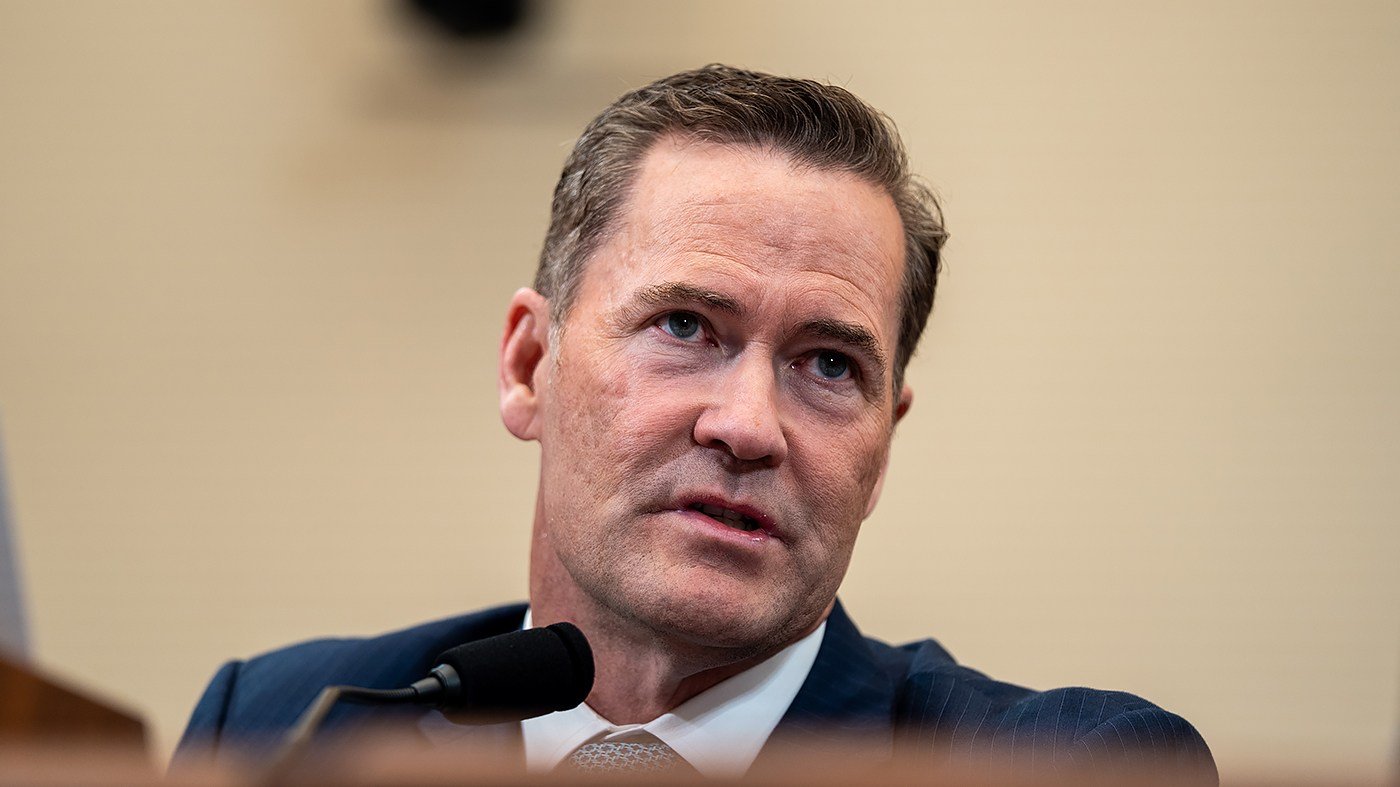
The path to renewing the government’s warrantless surveillance powers remains deeply uncertain after President Trump abruptly called off a Senate Intelligence Committee confirmation hearing for Jay Clayton, his nominee to lead the intelligence community. The move has derailed what Republicans had hoped would be a swift resolution to the impasse over Section 702 of the Foreign Intelligence Surveillance Act, which expired on June 12 after Democrats objected to Trump’s appointment of Federal Housing Finance Agency Director Bill Pulte as acting director of national intelligence.
Republicans had viewed Clayton’s nomination as a potential off-ramp from the FISA standoff. Democrats made clear they would only consider a Section 702 renewal if Pulte were removed from the intelligence post. With the hearing postponed, that calculus has collapsed.
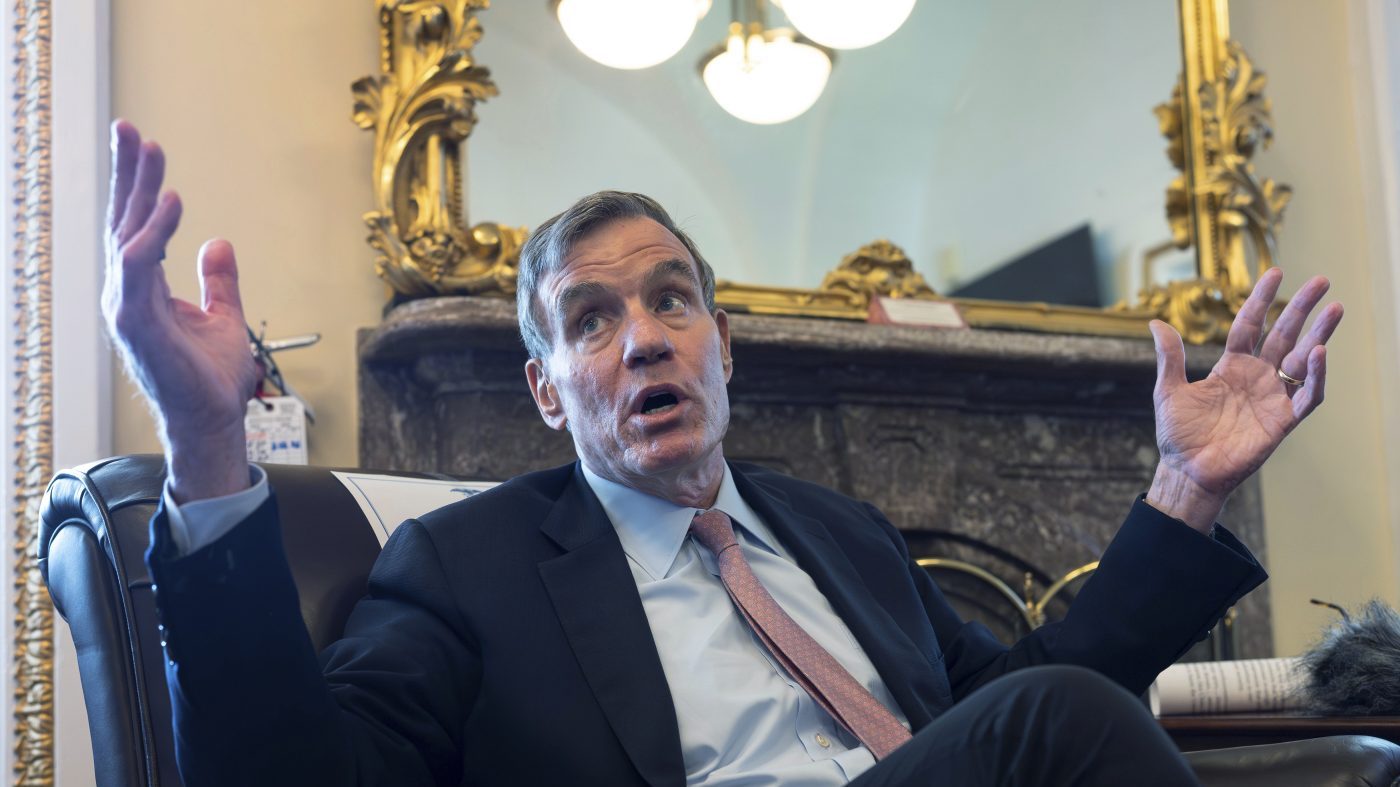
“I am not sure whether Jay Clayton has simply been postponed or withdrawn. I wonder whether Jay Clayton knows whether he has been postponed or withdrawn,” Senator Mark Warner (D-Va.), the top Democrat on the Senate Intelligence Committee, told reporters last week. Pulte assumed his new role on Friday, further complicating the path forward.
Senate Minority Leader Chuck Schumer (D-N.Y.) pinned the blame squarely on Republicans. “This is Republican president, Republican House, Republican Senate, all screwing up with each other,” Schumer said. “They’ve got to come to an agreement, and they’ve got to have the courage to buck the president, who clearly doesn’t want a DNI director and doesn’t want FISA renewed.”
GOP Frustration Mounts
The cancellation has sparked frustration within the GOP. Senator Kevin Cramer (R-N.D.) said Trump’s intervention “didn’t make a lot of sense.” He speculated that the president may lack trust in Senate Majority Leader John Thune’s (R-S.D.) sequencing of events—namely, fast-tracking Clayton’s confirmation to prevent Pulte from serving even a minute as acting DNI, thereby clearing the way for Democratic support on FISA reauthorization.
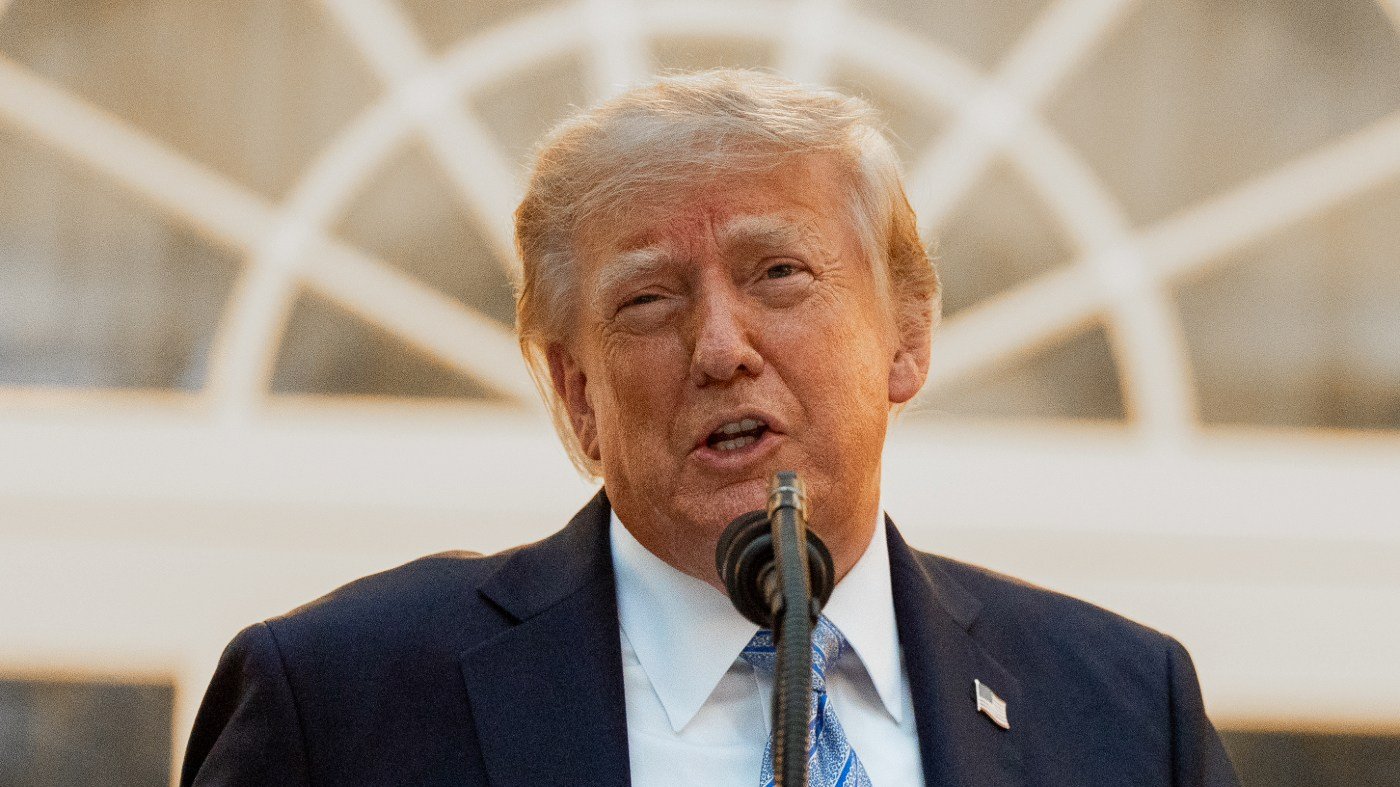
Beyond the Clayton hearing, Trump has repeatedly insisted he will not sign a Section 702 renewal unless it is paired with the Safeguard American Voter Eligibility (SAVE America) Act, which would require proof of citizenship to register to vote in federal elections and a photo ID to cast a ballot. The president has framed the measure as an election security priority ahead of the 2026 midterms.
Democrats have fiercely opposed the voting requirements bill, and some Democratic votes will be necessary to advance a Section 702 renewal in the Senate. Thune told Punchbowl News last week that it would be “unrealistic” to pass the SAVE America Act simply by attaching it to FISA. He has also resisted calls to change Senate rules to ease passage of the voter ID bill. When asked if he fears Trump might veto intelligence legislation without the election reform rider, Thune said, “I certainly would hope if we can get FISA off the floor, he would sign it.”
Housing Package Heads to Final Votes
Meanwhile, the Senate is expected to take a final vote Monday on a bipartisan housing bill, the 21st Century ROAD to Housing Act, with the House to follow later this week. The legislation includes incentives for new home construction, a program to convert abandoned buildings into housing, and grants to modernize existing homes. It also contains language limiting institutional investors’ ability to buy up single-family homes—a provision House Republicans insisted on.
The bill arrives as both parties aim to make affordability a central message to voters in the 2026 midterms. “2026 is the Year of Affordability, and the 21st Century ROAD to Housing Act gives Congress a chance to deliver a major win for families across the country,” said Senator Tim Scott (R-S.C.), chair of the Senate Banking Committee. Senator Elizabeth Warren (D-Mass.), the ranking Democrat on the committee, called the legislation “the biggest housing bill in more than 30 years” and urged passage.
Appropriations and Other Business
The House is also set to take up two fiscal 2027 government funding bills this week. Separately, Senator Thom Tillis (R-N.C.) said he will meet with acting Attorney General Todd Blanche over his nomination to become attorney general.