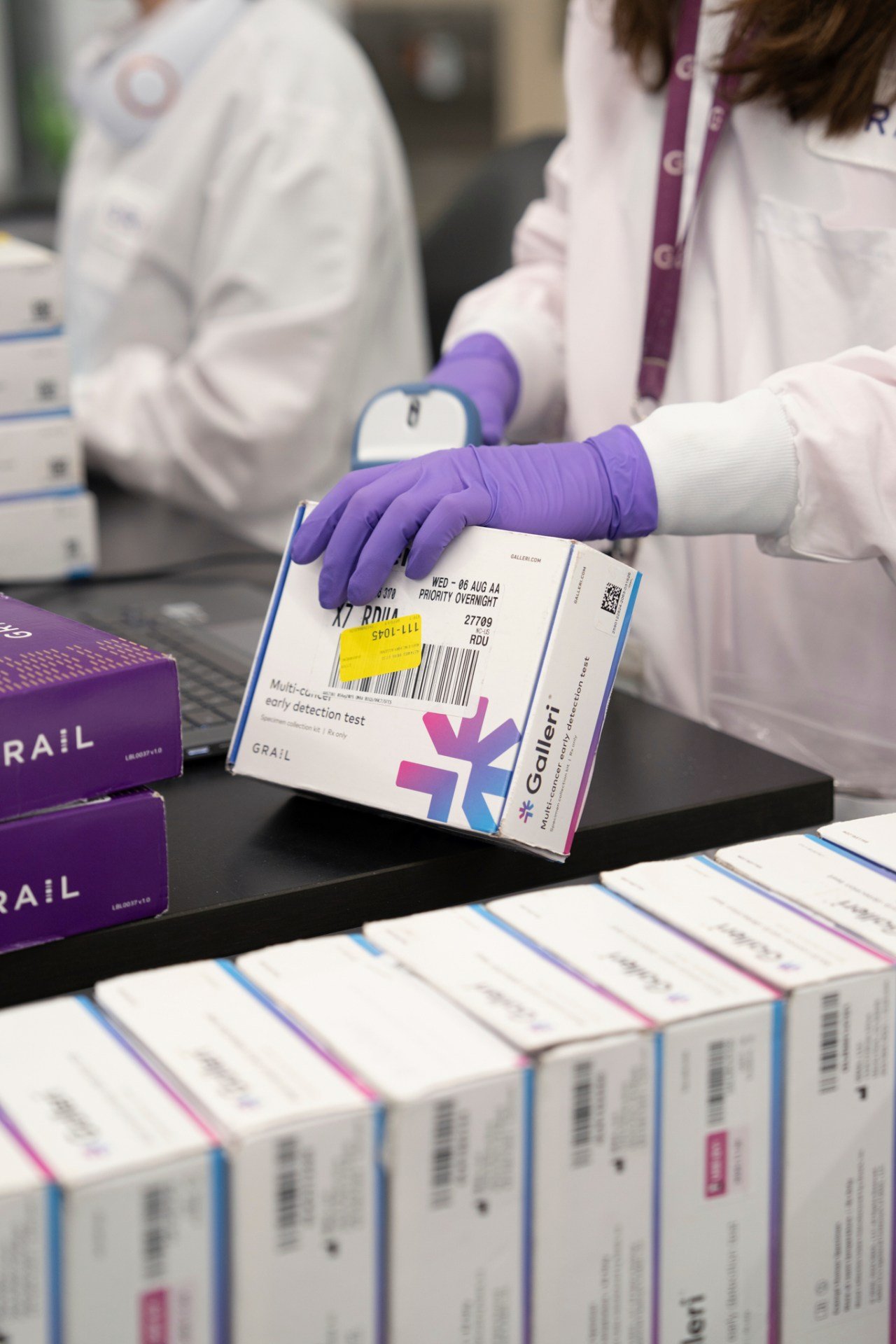
Federal health advisers on Wednesday gave a cautious endorsement to a first-of-its-kind blood test from Grail Inc. that aims to detect multiple cancers in people without symptoms. The vote, 7-2 with one abstention, came after hours of debate over the technology's limitations, including its failure to catch a substantial number of cancers and its weaker performance in early-stage detection.
The Galleri test, which uses DNA analysis to look for signals of more than 50 cancer types, does not diagnose cancer outright. Instead, a positive result indicates that a patient may have a tumor and requires follow-up imaging or other diagnostic procedures. The advisory panel's backing marks the first time a federal advisory group has supported such an experimental approach, though the FDA is not bound by the recommendation. A final decision is expected within months.
Panel's Mixed Vote and Concerns
Despite the positive vote, panelists raised numerous questions about the test's real-world utility. Dr. Victor van Berkel of UofL Physicians in Louisville, Kentucky, described his vote as “a hopeful rather than an accurate one,” underscoring the need for more research even if the test is rolled out. “If we can find more early-stage cancers in the population that we can’t screen for currently, that will end up having benefit,” he said.
The panel also balked at calling the test a tool for “early detection,” noting that Grail's data did not demonstrate effectiveness in that regard. The experts emphasized that the test should be used in addition to—not as a replacement for—standard screenings like mammograms and colonoscopies. They also warned that a negative result does not guarantee a patient is cancer-free.
Data and Risks
Grail's primary study, involving 140,000 older adults, showed that the test detected about one-third of cancers diagnosed over a year. However, FDA reviewers flipped the data to highlight the flip side: the test missed two out of three cancers, potentially giving false reassurance to many patients. The test also performed less accurately in early-stage cancers, when treatment is most effective.
Consumer advocates voiced concerns that patients might ignore symptoms after receiving a negative result. Diana Zuckerman of the National Center for Health Research warned, “When they start having symptoms there will be tendency to delay going to the doctor—just a little bit—and that could be deadly.”
Availability and Next Steps
Galleri is already available in the U.S. for cash-paying customers, typically costing $700 or more. FDA approval would likely expand access by enabling Medicare and private insurance coverage. Grail representatives argued that the test offers patients a new option for cancers that lack screening tools, such as liver and ovarian cancer.
The advisory panel's endorsement is a significant step, but the FDA's final decision will hinge on balancing the potential benefits against the uncertainties. As the agency weighs the evidence, the debate reflects broader questions about how quickly to adopt novel cancer screening technologies.
For more on related regulatory and health policy developments, see our coverage of AI surveillance oversight and health risks in technology infrastructure.