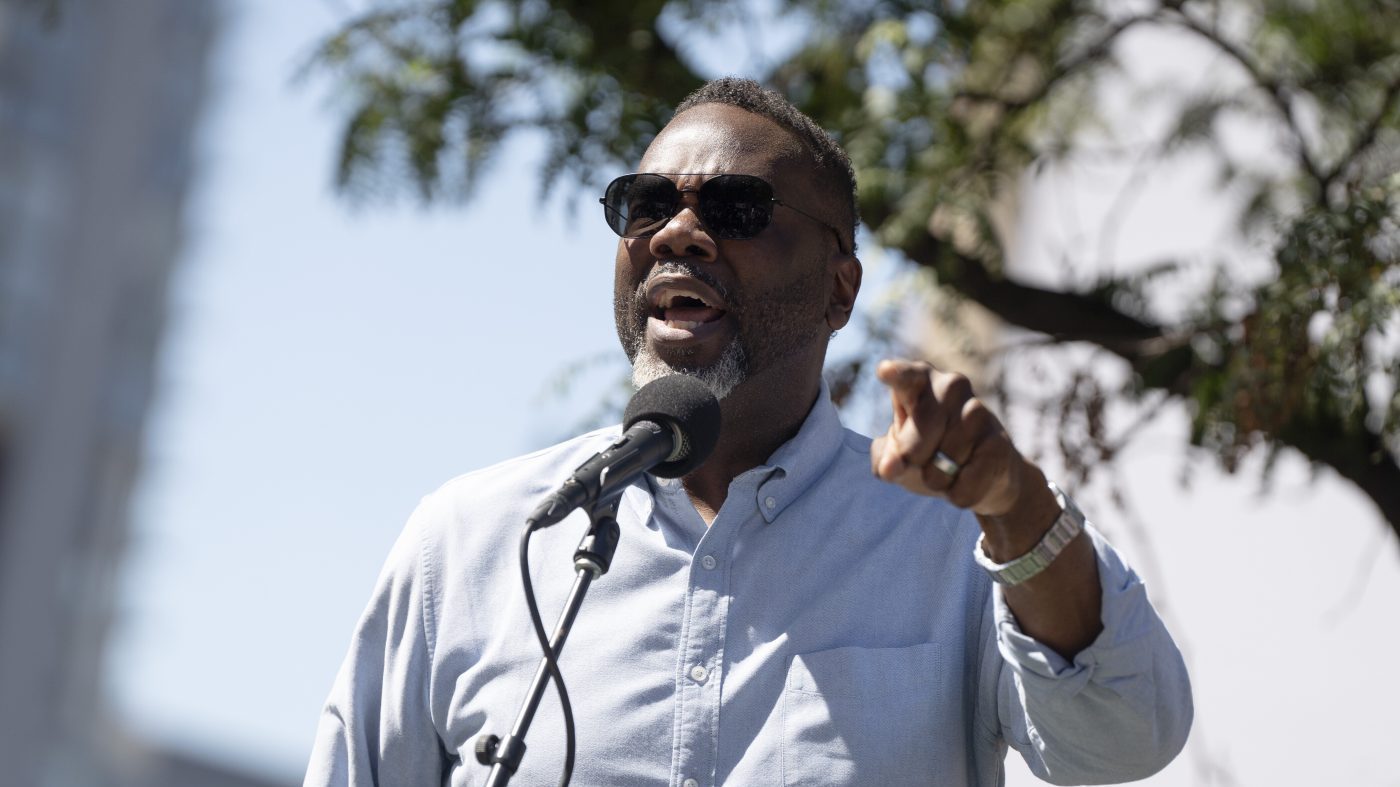
Chicago Mayor Brandon Johnson on Thursday introduced an ordinance that would impose a one-year moratorium on new data center construction, framing the move as a necessary step to safeguard the city's energy grid and public health. “Chicago is open for business, but we are not for sale,” Johnson said, signaling a shift from the city's previous pro-development stance.
The proposed ordinance, which will be referred to a City Council committee for a first vote, would give officials time to craft long-term regulations addressing energy consumption and pollution risks. Johnson emphasized a balance between innovation and responsibility, stating that progress “must be done responsibly and in a way that protects the health, safety and quality of life of Chicago residents.”
This action follows an executive order Johnson signed in August that launched a modernization effort to update data center rules. At that time, he urged aldermen to pass a moratorium but did not submit legislation himself. The mayor has consistently warned against “unchecked” projects that could strain the city's energy and water supplies.
The proposal aligns with a broader political trend, as data centers—once viewed as economic boons—have become liabilities in some regions. Illinois Governor JB Pritzker, a Democrat, halted agreements under the state's Data Center Investment Program in June, promising a “comprehensive framework” that balances growth with affordability and resource protection. Data centers have become a political target in several states, and the issue is increasingly appearing in campaign messaging.
Political strategist Sam Silverman, founder of the Silverman Strategy Group, told The Hill in July that campaigning as pro-data center could be “electoral malpractice,” reflecting a growing skepticism among voters concerned about environmental and infrastructure impacts.
The caution extends beyond Illinois. Texas Governor Greg Abbott, a Republican, reversed his earlier enthusiasm for data centers, now advocating for blocking new developments in rural areas. This marks a stark contrast to his November remarks welcoming Google's $40 billion investment in Texas data facilities. Similarly, Pennsylvania Governor Josh Shapiro, a Democrat, has introduced a framework with guardrails for AI and data center development.
In Chicago, the moratorium would apply to new data center projects while the city studies their effects on energy demand, water usage, and pollution. Johnson's office argues that a pause is essential to avoid repeating past mistakes with unchecked industrial growth. Political spending on such issues has also surged, indicating the stakes involved.
The ordinance is expected to face debate in the council, with some aldermen expressing support for a measured approach and others worried about losing investment. Johnson's proposal is part of a larger effort to modernize Chicago's energy infrastructure while maintaining its appeal to businesses. Mayors across the country are watching closely, as the data center boom collides with local concerns.
If passed, Chicago would join a growing list of jurisdictions imposing temporary freezes on data center construction, a move that could influence other cities grappling with similar challenges.