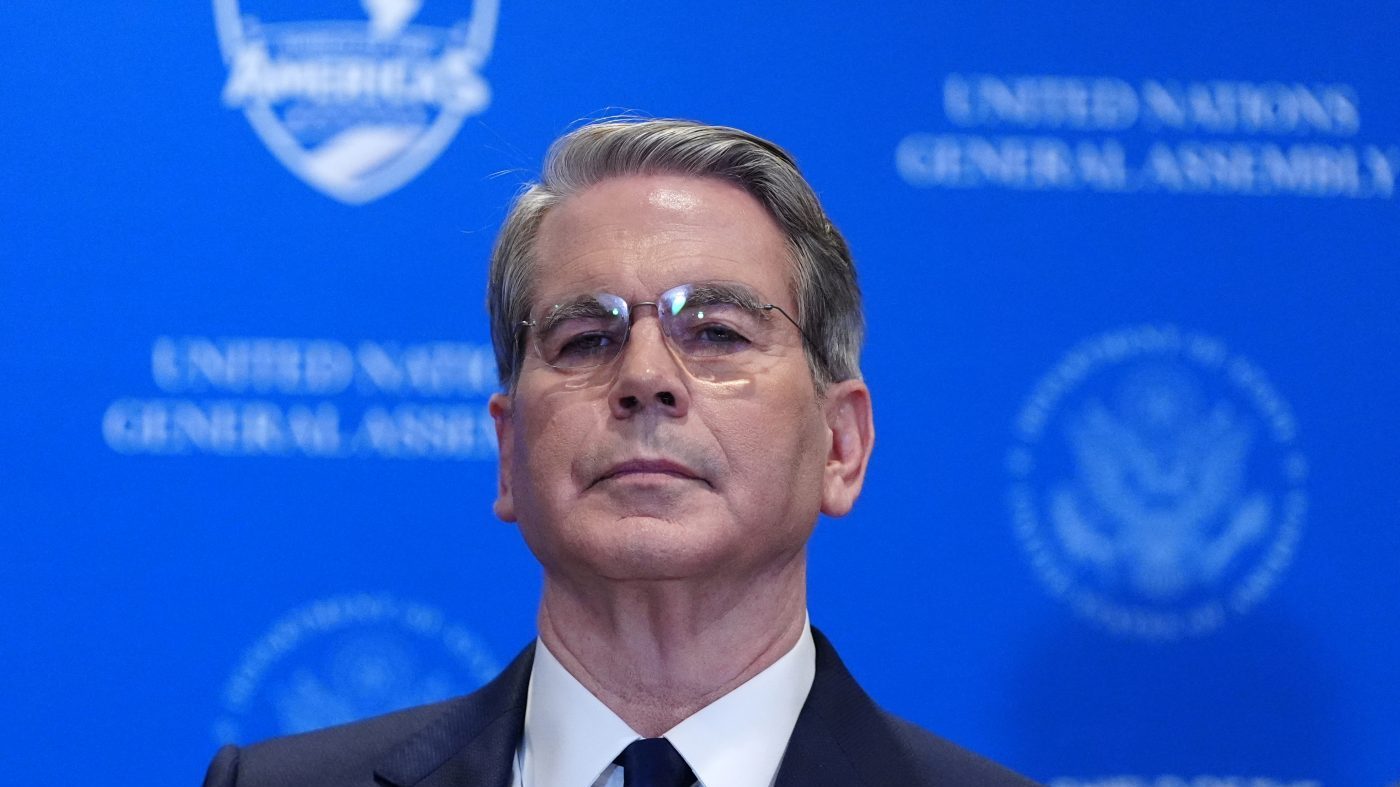
Treasury Secretary Scott Bessent announced on Wednesday that the United States and China have agreed to extend their current trade truce by two months, a move that provides additional breathing room for negotiators as Chinese President Xi Jinping touched down in Washington for a high-stakes summit with President Donald Trump.
Speaking with Bret Baier on Fox News's "Special Report," Bessent confirmed the extension, pushing the deadline from November 10 to January 10. "We have agreed today that we will extend ... the détente, economic détente between the two countries," he said, emphasizing the need for more time to work on the economic front.

The announcement followed Bessent's meeting with Chinese Vice Premier He Lifeng, held ahead of Xi's arrival. In a post on X, the Treasury secretary said their talks centered on "securing meaningful commitments that protect American workers, farmers, and businesses."
The current truce, struck by Trump and Xi in October in South Korea, had eased tensions by lowering U.S. tariffs on Chinese goods and prompting China to suspend export controls on rare earth minerals. That agreement has been a temporary patch, with both sides acknowledging unresolved issues.
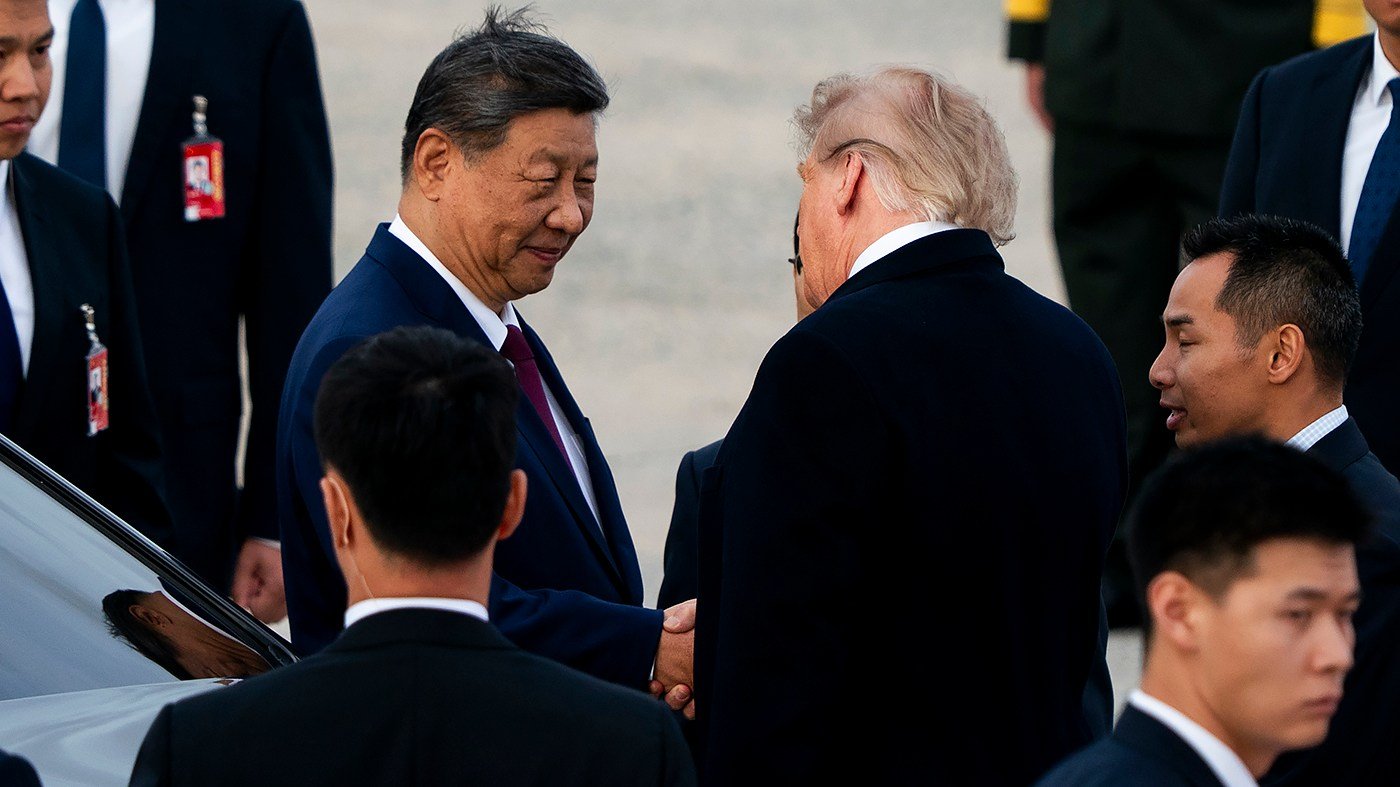
Trump greeted Xi at Joint Base Andrews on Wednesday evening, marking the start of a state visit between the leaders of the world's two largest economies. The two are scheduled to deliver remarks at the White House on Thursday morning, followed by a bilateral meeting and a state dinner. Beyond trade, the agenda is expected to include discussions on artificial intelligence, a topic Trump has rebranded as "Super Intelligence" (SI).
In a post on Truth Social early Thursday, Trump wrote: "A big day with President Xi of China. Super Intelligence (SI) will be a big topic of discussion, but I want to leave it exactly where it is. That is China's position also. Our guardrail is the [Justice Department]!"
Bessent, however, tempered expectations for a comprehensive deal by the new January deadline. "I don't know whether a bigger deal can be done, I don't know whether we will just roll the current deal," he told Baier, noting that China has not met "some deliverables" under the existing truce. He added that Washington has conveyed its expectations and will watch whether Beijing becomes "a bit more fulsome in enacting the agreement" in the coming months.
The Treasury secretary also floated the possibility of a separate pact that would reduce tariffs on $30 billion worth of "noncritical" goods. He hinted that the summit could produce "announcements" on agriculture and financial services, though no specifics were provided.
The visit has drawn bipartisan criticism, with some lawmakers questioning the optics of a lavish welcome for Xi amid ongoing tensions over trade, technology, and human rights. Reports of bipartisan backlash have surfaced, and Trump's decision to roll out the red carpet at Andrews has been criticized by both parties. The summit comes as Trump's approval ratings have peaked in disapproval amid economic anxiety, adding pressure to secure tangible wins.
As the two leaders sit down, the world watches to see whether this extension is a prelude to a more durable agreement or just another temporary stopgap in a fraught relationship.