WASHINGTON — The White House has unveiled the menu for Thursday's state dinner honoring Chinese President Xi Jinping and First Lady Peng Liyuan, a carefully crafted blend of American ingredients with subtle Chinese flourishes designed to bridge two culinary traditions.
The Office of the First Lady announced the lineup ahead of the formal evening event, which caps a day of high-stakes talks between President Trump and Xi. First Lady Melania Trump led the preparations, the office said.

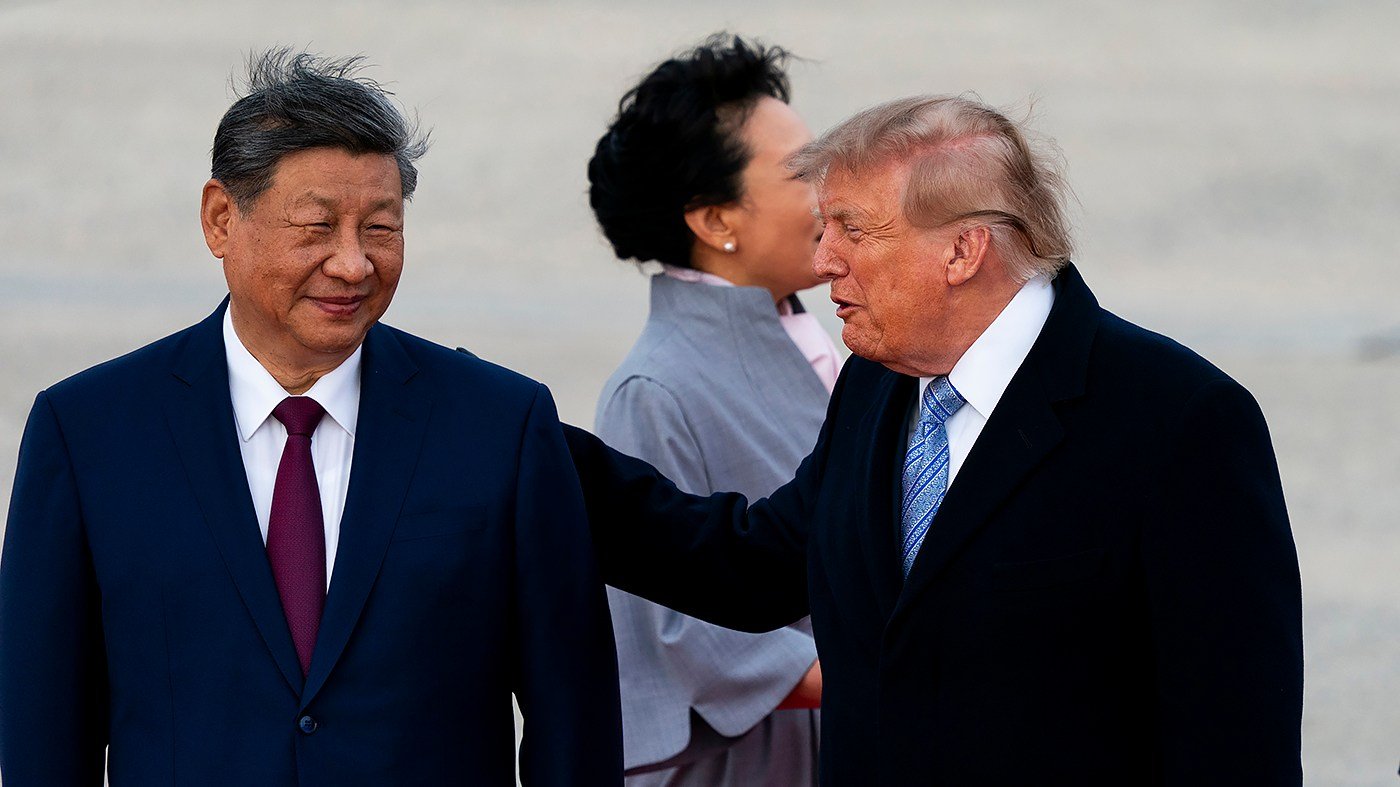
The dinner follows the Trumps' greeting of Xi and Peng on Wednesday at Joint Base Andrews, marking the Chinese leader's first visit to Washington in more than a decade. The visit has drawn bipartisan criticism over the administration's warm reception amid ongoing tensions over tariffs, technology, and Taiwan.
The first course features a yellow squash velouté, accompanied by wild mushrooms, fresh herbs, crispy pancetta, and a drizzle of scallion oil. The second course offers sesame-crusted sea bass, served with braised baby bok choy, roasted garden eggplant, and a sauce verte.
For dessert, attendees will be served vanilla crèmeux with sour cherry confit atop a walnut frangipane, paired with an ice cream made from honey harvested at the White House. The first lady unveiled a new beehive on the property's grounds in April.
The first lady's office selected Schramsberg “Blanc De Noir” as the dinner wine, a nod to the 1972 “Toast to Peace” between President Nixon and Chinese Premier Zhou Enlai in Beijing. That historic reference underscores the diplomatic weight of the occasion, even as trade and security disputes loom over the talks.
The menu's “subtle Chinese influence” reflects an effort to find common ground, but the broader visit has been marked by friction. Critics on both sides of the aisle have questioned the lavish welcome, pointing to unresolved issues from intellectual property theft to human rights concerns.
State dinners are a key tool of presidential diplomacy, and this menu is part of a carefully orchestrated effort to project warmth while addressing serious policy differences. The choice of ingredients—many sourced domestically—also sends a message about American agricultural and culinary prowess.