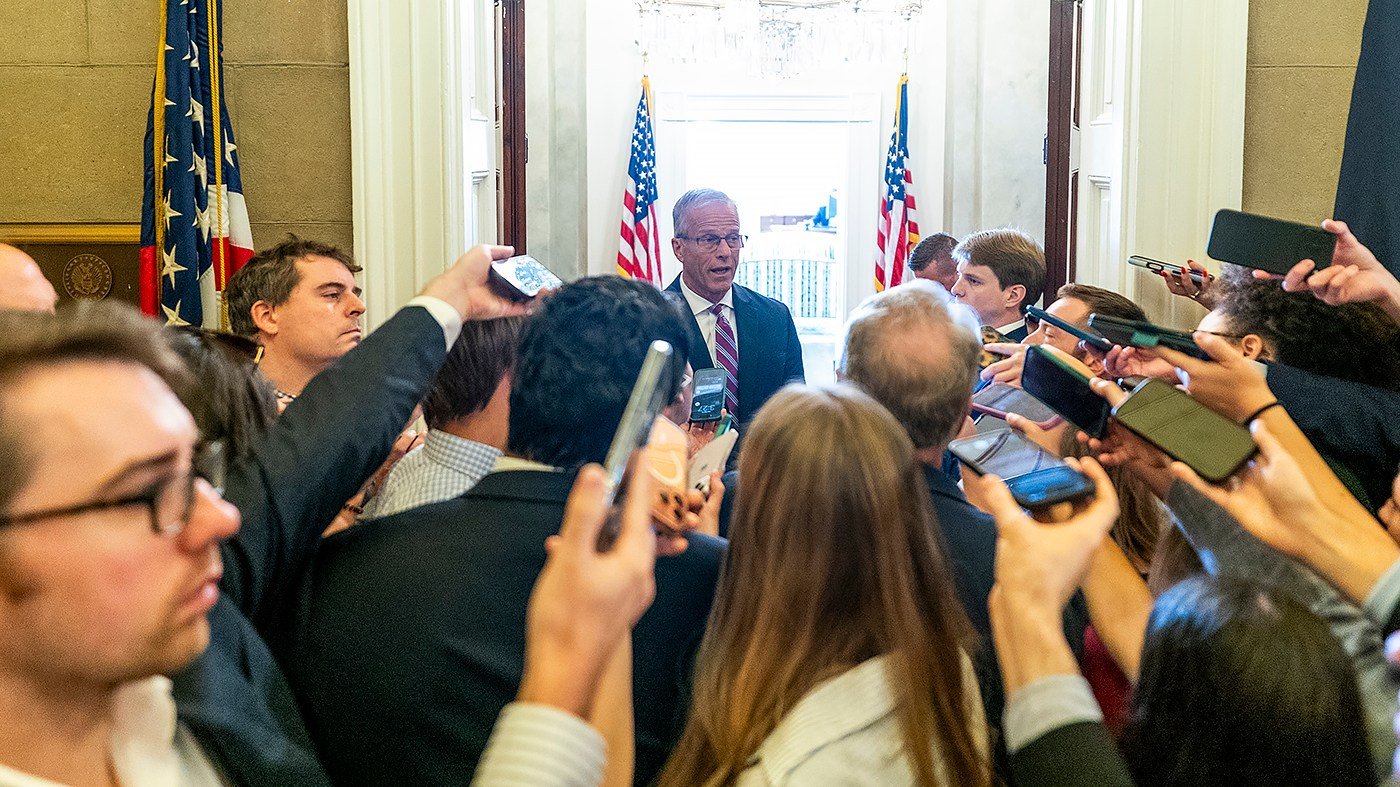
President Trump is rolling out the red carpet for Chinese President Xi Jinping this week, hosting a three-day state visit marked by a rare welcome at Joint Base Andrews and a grand arrival ceremony on the South Lawn featuring B-2 Spirit and F-22 Raptor flyovers. But the ostentatious display has ignited a firestorm of criticism from China hawks on both sides of the aisle, who accuse Trump of fawning over a strategic adversary.
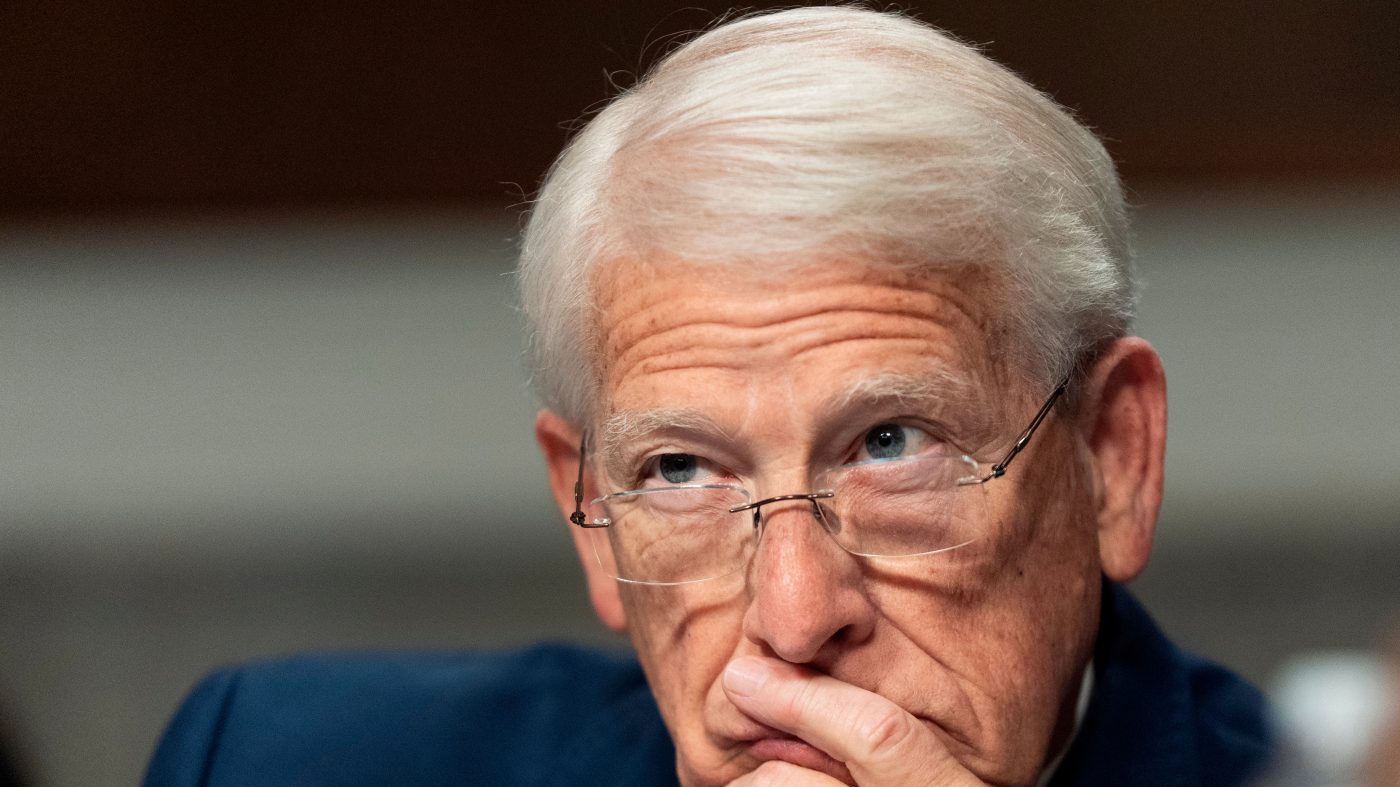
Sen. Roger Wicker (R-Miss.), chair of the Senate Armed Services Committee, took to the Senate floor Tuesday evening to voice his disapproval, saying that he would have advised against such a lavish welcome given the litany of troubling issues with Xi and the Chinese Communist Party. Wicker's remarks reflect a broader unease among lawmakers who see the visit as a missed opportunity to press Beijing on human rights, trade, and regional security.
Yet some critics acknowledge that the optics of the state visit may matter less than the substance of the negotiations. “To me, the overall arrival and presentation is one thing. It’s certainly symbolic and can matter, especially for the Chinese side,” said Andrew Harding, a policy analyst at the Heritage Foundation and former Special Assistant for Asia on the National Security Council under Trump. “But from an American perspective, we need to focus on the substance of the agreements.”
Others note that hosting a foreign leader is part of the diplomatic role presidents must play, regardless of personal feelings. Marc Short, who served as Trump’s legislative director and later as chief of staff to Vice President Mike Pence, defended the president’s approach. “This is one of Trump’s strengths,” he said. “He’s good at the entertaining and the hosting, and so he should do it his way.” Short added that he had bigger concerns about Trump’s recent meeting with New York City Mayor Zohran Mamdani than he did about the Xi visit.
Trump’s evolution on China has been notable. During his 2016 campaign, he frequently lambasted U.S. dependence on China and labeled Beijing a threat. But he reversed his 2020 decision to ban TikTok, owned by Chinese company ByteDance, and later joined the app in 2024 while opposing divestment efforts. Supporters insist his record remains tough. “In his first term, President Trump was tougher on China than any president in 50 years,” said John Ullyot, former National Security Council spokesperson. “Supporters worried about this week’s summit shouldn’t mistake rote diplomatic ritual for his record.”
The summit comes with a long list of contentious issues on the table, including artificial intelligence, trade, the war in Iran, a proposed $14 billion U.S. arms sale to Taiwan, and the fate of American detainees held in China. Republican and Democratic lawmakers are pressing Trump to take a hard line. On Wednesday, the GOP-led House Select Committee on China released a video branding Xi as “the CCP leader behind some of the world’s worst human rights abuses.” Committee chair Rep. John Moolenaar (R-Mich.) wrote to Trump urging a tough stance on Chinese involvement in Iranian strikes, AI, and semiconductors.
Separately, Sens. Ted Budd (R-N.C.), John Curtis (R-Utah), and Ed Markey (D-Mass.) introduced legislation calling for the safe release of U.S. citizens wrongfully detained in China, including scholar Min Zin. The pressure comes as Trump and Xi prepare to build on their May summit, where China agreed to purchase at least $17 billion in U.S. agricultural goods annually through 2028 and to resume poultry imports. Trump also announced deals for 400-450 GE jet engines and 200 Boeing jets.
Former State Department spokesperson Cale Brown, now chair of Polaris National Security, dismissed the notion that Trump is being deferential. “Trump isn’t rolling out the red carpet in supplication to Xi, he’s demonstrating the magnanimity of a leader who is confident in his negotiating position,” he said. Trump did secure the release of Christian Pastor Ezra Jin Mingri after raising his case with Xi in May, and similar diplomatic efforts are expected this week.
As the visit unfolds, the divide between symbolic gestures and policy outcomes remains stark. For many China hawks, the real test is whether Trump can extract concrete concessions from Beijing without sacrificing American interests. The answer may determine whether this summit is seen as a diplomatic triumph or a strategic misstep.