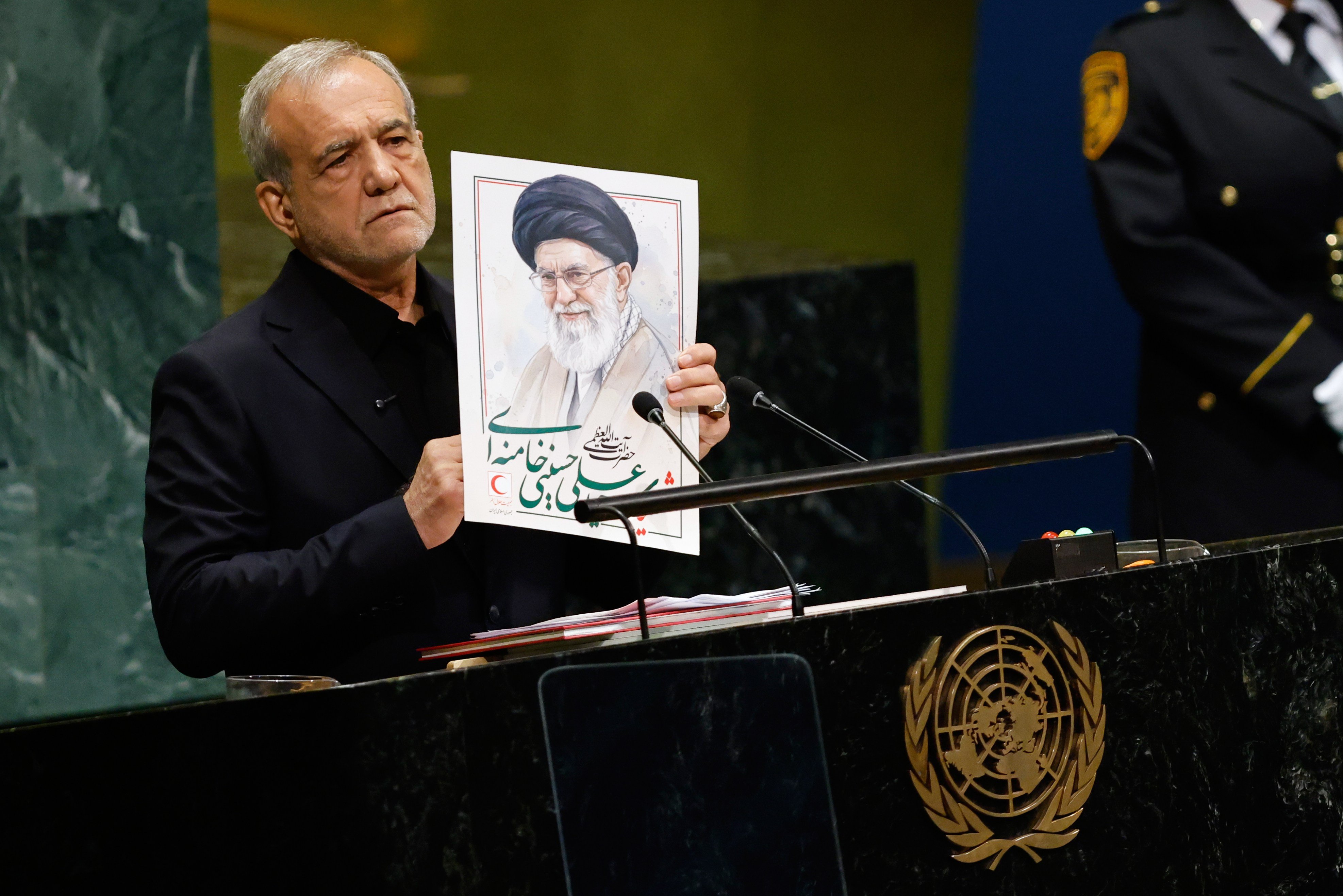
When Iranian President Masoud Pezeshkian addressed the United Nations General Assembly this week, he presented a narrative of victimhood and resistance—but his speech conspicuously avoided the brutal realities of life inside the Islamic Republic. For analysts and dissidents, the omission was telling: the regime's claim to speak for the Iranian people is a fiction that masks a profound crisis of legitimacy.
Pezeshkian's remarks followed the familiar script: condemnations of Israel, invocations of Palestinian suffering, and accusations of American hostility. Yet there was no mention of the political prisoners, the protesters shot in the streets, or the millions crushed by inflation and censorship. The regime that has financed and armed militant groups abroad for decades presented itself as a peacemaker, while its own citizens face relentless repression.
The disconnect is not accidental. The Islamic Republic is not Iran—it is a clerical order imposed on a civilization with a long history predating 1979. By conflating the two, Pezeshkian's performance at the UN sought to obscure the regime's violent grip on power. But as debates over Iran policy intensify, the gap between the regime's rhetoric and its actions is becoming harder to ignore.
A Regime in Denial
The central conflict in Iran today is not merely between Tehran and Washington, or between the regime and Israel. It is between the Iranian nation and the ideological apparatus that has ruled it for over four decades. The regime's deepest fear is not diplomatic condemnation—it is a population that has begun to separate its national identity from the Islamic Republic.
This explains why protests are met with such ferocity, why communications are shut down during unrest, and why dissent is routinely dismissed as foreign conspiracy. The regime understands that its survival depends on coercion, not consent. As one analyst put it, the Islamic Republic is "an exhausted and increasingly frightened political order" that relies on missiles, intelligence services, and propaganda to stay afloat.
Washington has long viewed Iran through a narrow lens—nuclear enrichment, sanctions, negotiations, and regional threats. But this approach has consistently failed to account for the most consequential dynamic: the regime's illegitimacy in the eyes of its own people. Recent incidents involving Iranian military actions only reinforce the need for a more nuanced understanding.
The Pahlavi Alternative
Crown Prince Reza Pahlavi, son of the deposed shah, has emerged as a vocal advocate for a secular, democratic transition. While Washington cannot appoint Iran's next leader, it can stop treating the clerical establishment as permanent. Engaging voices outside the ruling elite—such as Pahlavi's supporters—would signal a strategic shift away from the failed policies of the past.
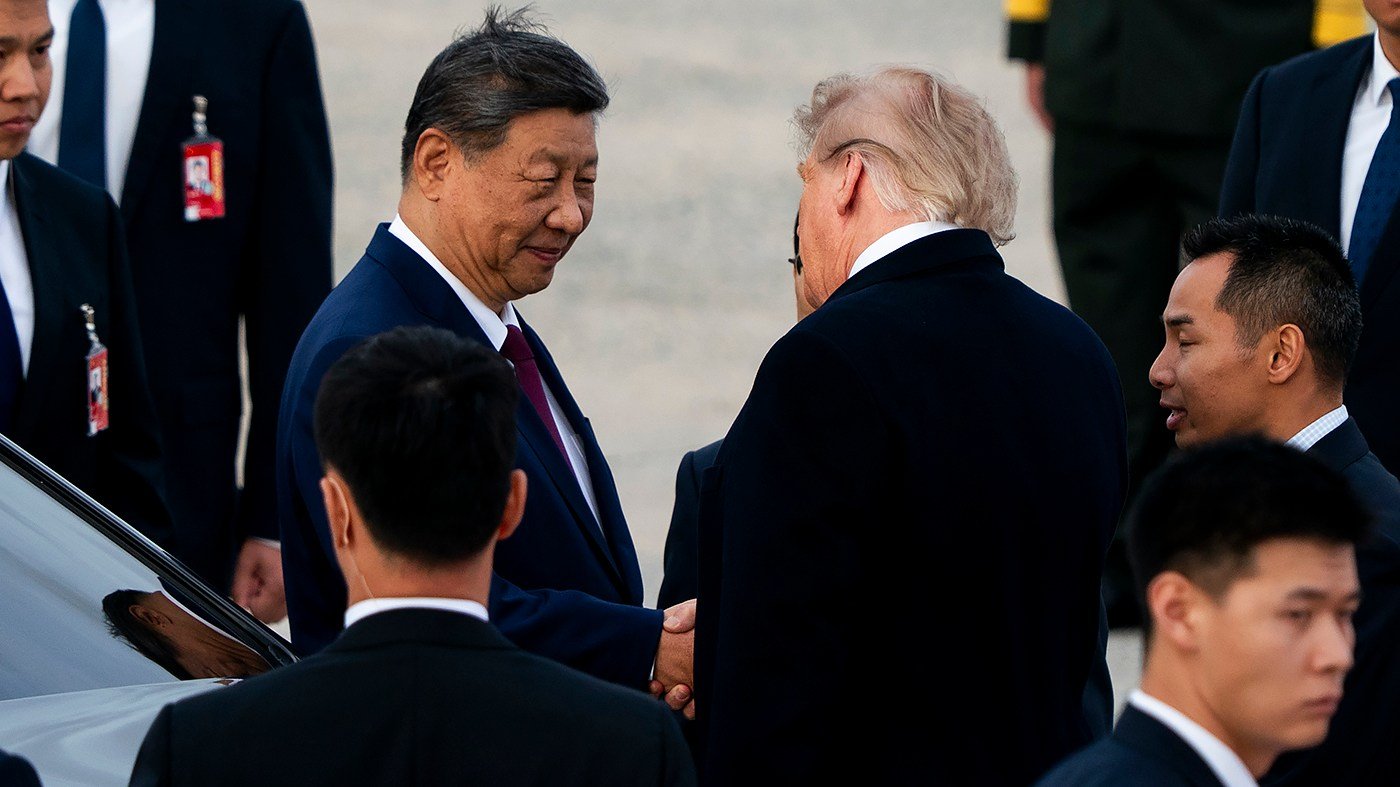
President Trump, who has signaled a willingness to return to negotiations with Tehran, should heed this distinction. Diplomacy itself is not dishonorable, but negotiations that merely prolong the regime's survival or grant it legitimacy are counterproductive. His upcoming UN address could be an opportunity to recalibrate U.S. policy.
Preparing for the Day After
The question for Washington is whether it is prepared for the possibility that the Islamic Republic will not endure. Preparing for that future means documenting human-rights abuses, ensuring Iranians have access to uncensored information, and planning for a transition that protects the country's territorial integrity while preventing further bloodshed.
Pezeshkian may return to the UN next year, or another regime official may take the podium and repeat the same tired slogans. But history does not guarantee any regime another speech. The U.S. heard the Islamic Republic this week; the White House should finally hear the Iranian nation.
Erfan Fard is a counter-terrorism analyst and Middle East researcher based in McLean, Va.