The U.S. House of Representatives last week voted to revoke a federal waiver that lets California enforce stricter pollution controls on ocean-going vessels at its ports. The move, which targets the state’s Ocean-Going Vessels At-Berth Regulation, would effectively nullify a program that has cut harmful diesel emissions from docked ships by 80% since 2014.
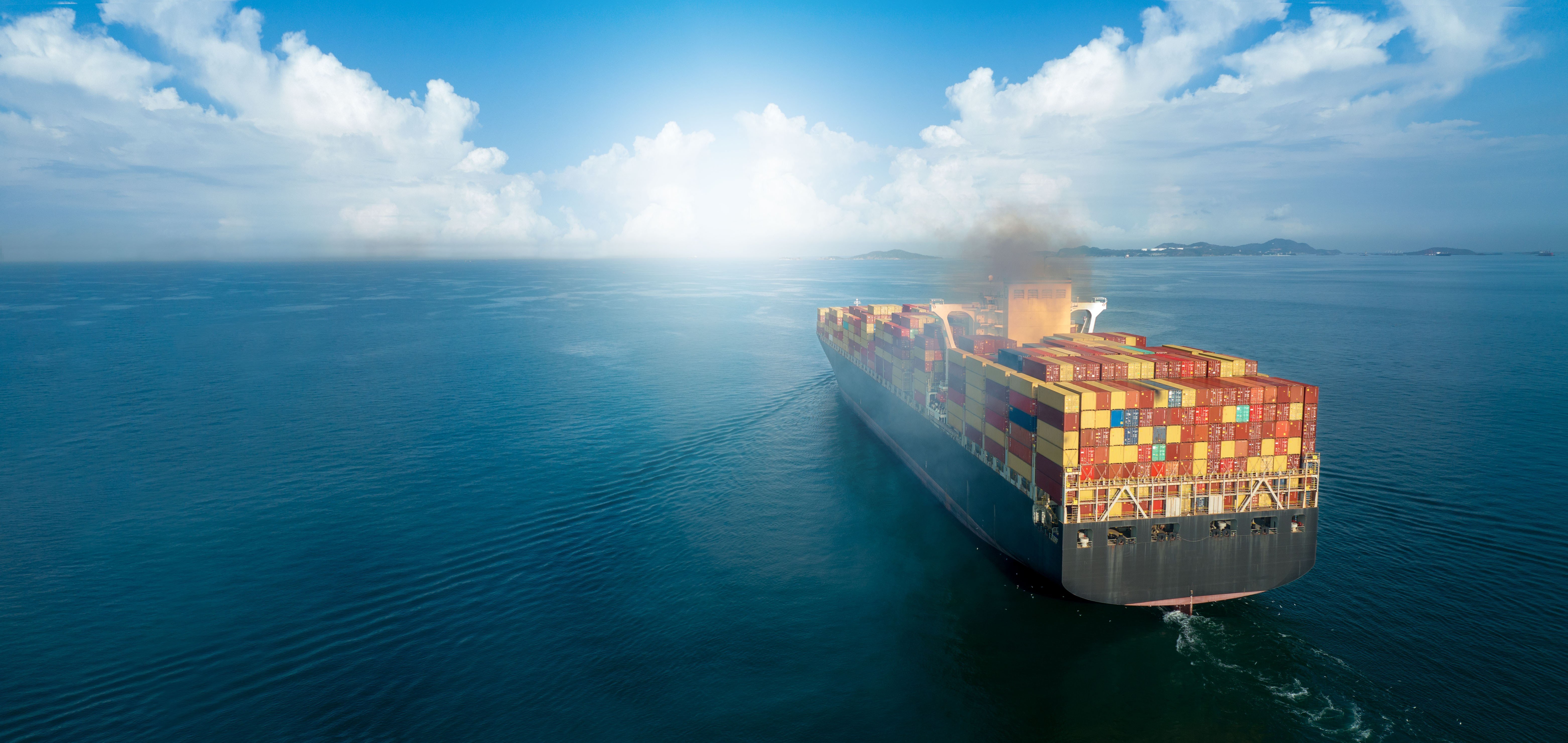
California’s rule requires ships—many of them foreign-flagged—to plug into shore power or use approved emissions-capture technology while at berth, rather than running diesel auxiliary engines that pump toxic exhaust into nearby communities. The state expanded the program in 2020 to cover additional vessel types, including auto carriers and tankers, which together account for 56% of fine-particle pollution from docked ships at California ports.

Supporters of the waiver argue it is a critical tool for protecting public health. Diesel exhaust is a known carcinogen, and exposure has been linked to asthma, heart and lung disease, and premature death. In a 2022 survey of Wilmington, California, residents—a community near the Port of Los Angeles—54% reported black spots or oily residue around their homes, and 57% reported respiratory ailments in their households.
The program’s projected benefits are substantial: once fully implemented, it is expected to reduce vessel pollution by 90% and cut cancer risk for nearby communities by 55%, delivering an estimated $2.31 billion in public health benefits. The infrastructure is already in place—ports, utilities, and private businesses have invested in shore-power connections and emissions-capture systems that are operating without disrupting cargo flow.
Opponents in the House cited cost concerns, but federal analysis shows compliance costs are minimal: about $1.14 per shipping container, $7.66 per automobile, and less than one cent per gallon of tanker cargo. For context, a typical 20-foot container holds goods worth roughly $54,500, making the compliance cost equivalent to two-thousandths of a penny per dollar of goods.
Critics of the House action say it would shift the true costs of pollution—preventable illness, missed work, and higher healthcare expenses—onto California families and taxpayers. They also note that the argument that tankers cannot use shore power is misleading: California’s rule allows emissions-capture technology as an alternative, and major oil companies like Shell, Olympus Terminals, and TransMontaigne are already using it at California ports.
The vote has broader implications for states’ authority to address environmental and public health challenges. As California senators have recently raised concerns about federal overreach, this move could set a precedent for Congress to override state-level protections. The issue also echoes other federal-state conflicts, such as the Trump administration’s narrowing of Endangered Species Act protections.
Now the measure heads to the Senate, where lawmakers must decide whether to preserve California’s waiver or allow ships to continue emitting toxic exhaust. The decision will be closely watched by environmental groups, public health advocates, and the shipping industry. As diesel prices remain high, the economic arguments are likely to intensify.
Dori Chandler, a policy advocate with the Coalition for Clean Air, urged the Senate to reject the measure. “Senators who claim to care about public health must preserve California’s waiver,” she said. The outcome will signal whether Congress respects state-led environmental progress or prioritizes industry interests over community health.