For the first time in over two decades, the United States saw a reversal in overdose fatalities. In 2023, deaths fell by 3 percent, a modest but significant shift. Then, in 2024, the numbers plummeted by 26 percent nationally—a dramatic turnaround that has saved tens of thousands of lives and spared countless families from devastating loss.
Yet this encouraging trend masks a deeper, more troubling reality. While deaths have declined, nonfatal overdoses—instances where individuals survive a drug-induced medical emergency—have actually risen to record levels. In the year ending May, the U.S. recorded more than 195 nonfatal overdoses per 100,000 people, up from 173 in 2022 when overdose deaths were at their peak. That translates to nearly 635,000 documented nonfatal overdoses in a single year.
And the true number is likely far higher. Public health experts estimate that roughly two in five nonfatal overdoses go unreported, meaning the actual annual total may exceed 1 million. These survivors often face life-altering consequences, including permanent disabilities. Opioid overdoses, for instance, can deprive the brain of oxygen, leading to injuries akin to severe strokes—affecting speech, movement, and the ability to live independently.
The rising nonfatal overdose rate underscores that the crisis is far from resolved, even as rescue interventions like naloxone become more widespread. The availability of this opioid reversal drug has undoubtedly saved lives, but it also highlights a dangerous over-reliance on a single tool. If the drug supply shifts to substances that do not respond to naloxone, the nation could be left vulnerable, as recent overdose cases have shown.
Unpredictable Drug Supply and Youth Misperception
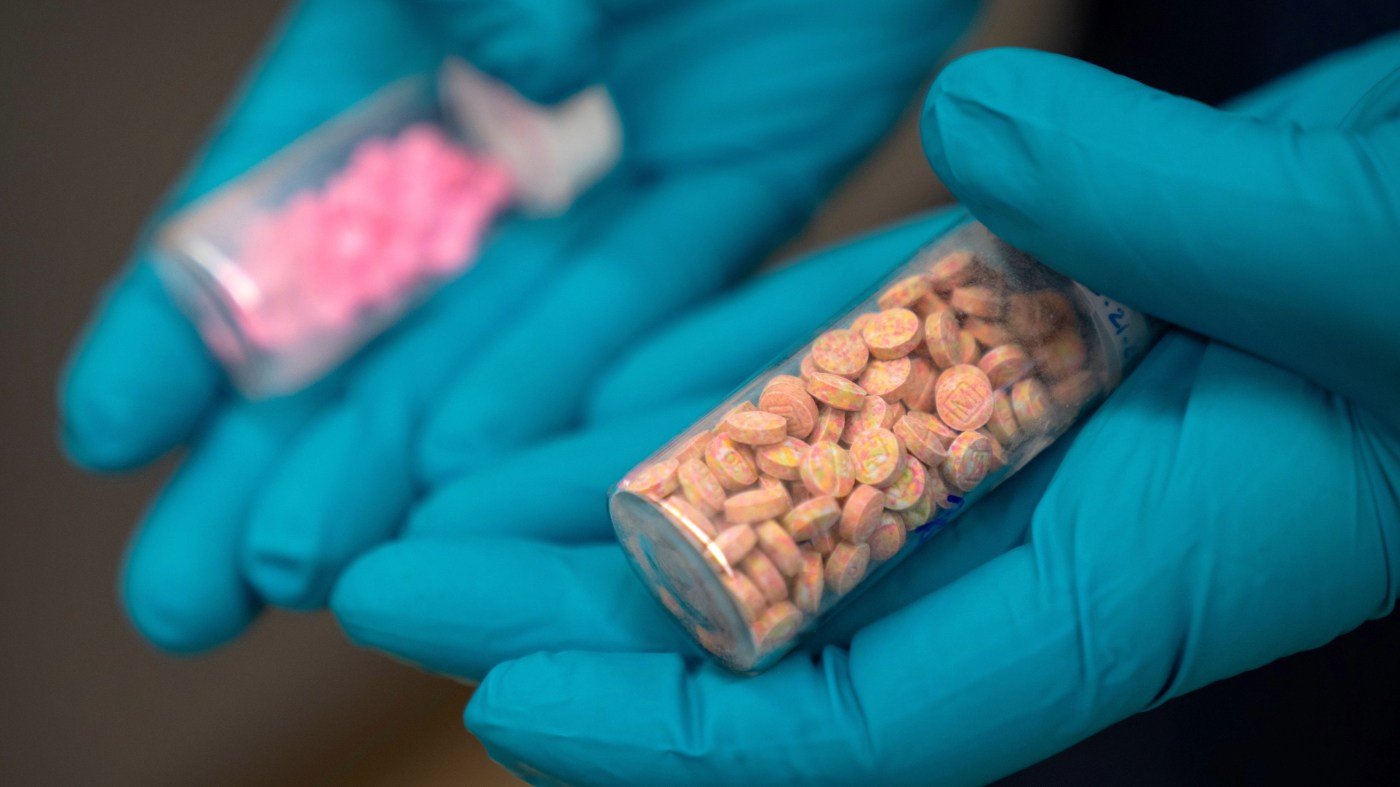
Today's illicit drug market is highly unpredictable, yet many Americans—especially young people—remain dangerously uninformed. A 2023 survey found that a staggering 30 percent of high school students did not consider using fentanyl "once or twice" to be a great risk, and some were entirely unaware of what fentanyl is. This lack of awareness is particularly concerning given the prevalence of counterfeit pills that look like legitimate medications such as OxyContin, Xanax, or Adderall but are laced with fentanyl.
Many overdose victims unknowingly consume fentanyl, leading some to label these incidents as "poisonings" rather than recreational overdoses. The danger extends beyond counterfeit pills; among Americans aged 18 to 25, cocaine is involved in one in five fentanyl-related deaths, more than any other substance.
Calls for Comprehensive Drug Education
Experts argue that preventing these outcomes requires a standardized, evidence-based drug education curriculum in every state. This education should cover not only the differences between today's drugs and those of a generation ago but also the risks of unknowingly encountering fentanyl, strategies to reduce substance misuse, and how to recognize and respond to an overdose.
The benefits of such education extend far into the future. The current crisis is driven largely by potent synthetic opioids like fentanyl, a shift that caught the nation off guard. Learning from this failure is essential to prepare for the inevitable evolution of the drug trade. Unlike developing new overdose reversal medications—which takes years of research, FDA approval, and distribution—educational infrastructure can be updated within a single semester.
Historical programs like D.A.R.E. and "Just Say No" demonstrated that national-scale drug education is possible, even if their methods were largely ineffective. By learning from both their reach and shortcomings, policymakers can ensure that every young American receives regular, evidence-based prevention education.
As we celebrate the hard-won gains in reducing overdose deaths, we must also recognize the urgent need to address the rising tide of nonfatal overdoses. The best time to focus on prevention was decades ago; the second-best time is now.