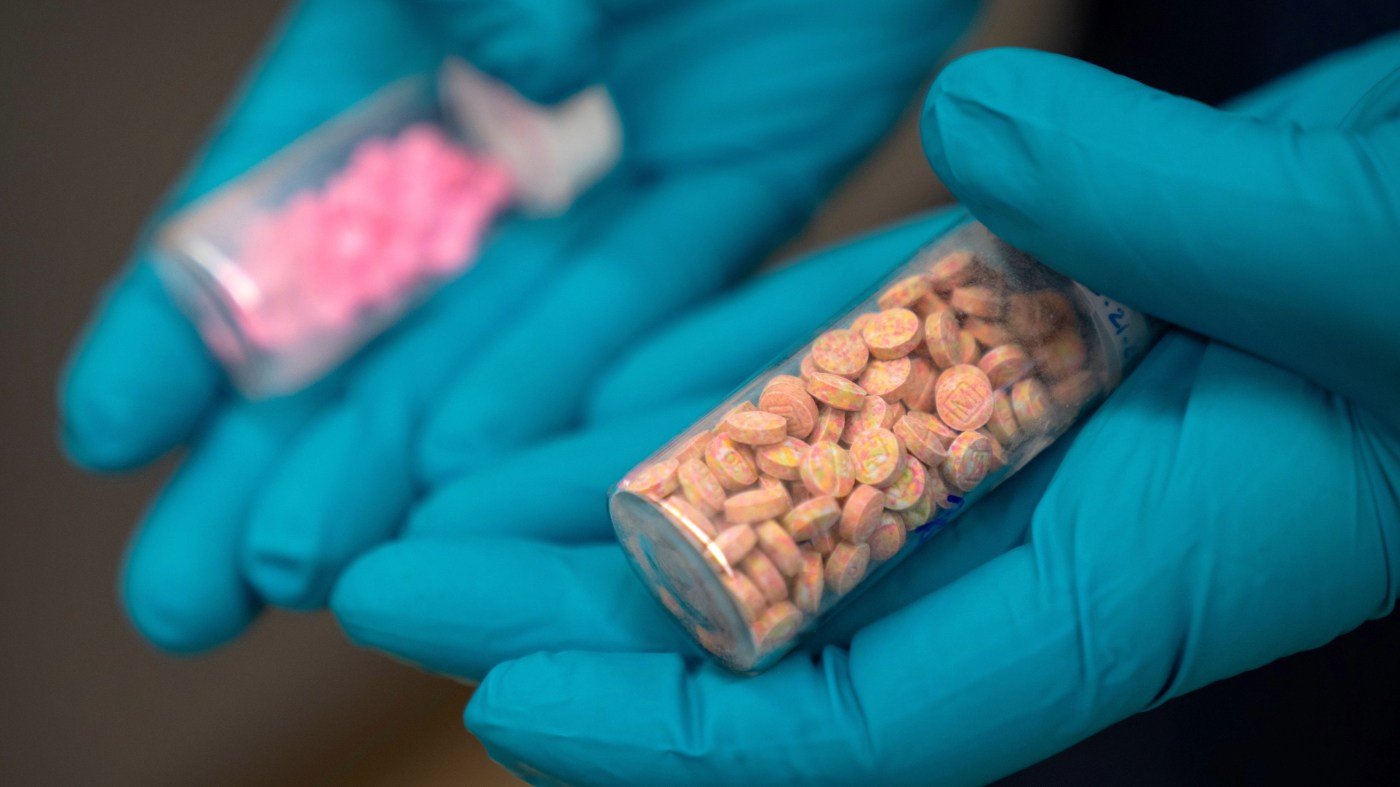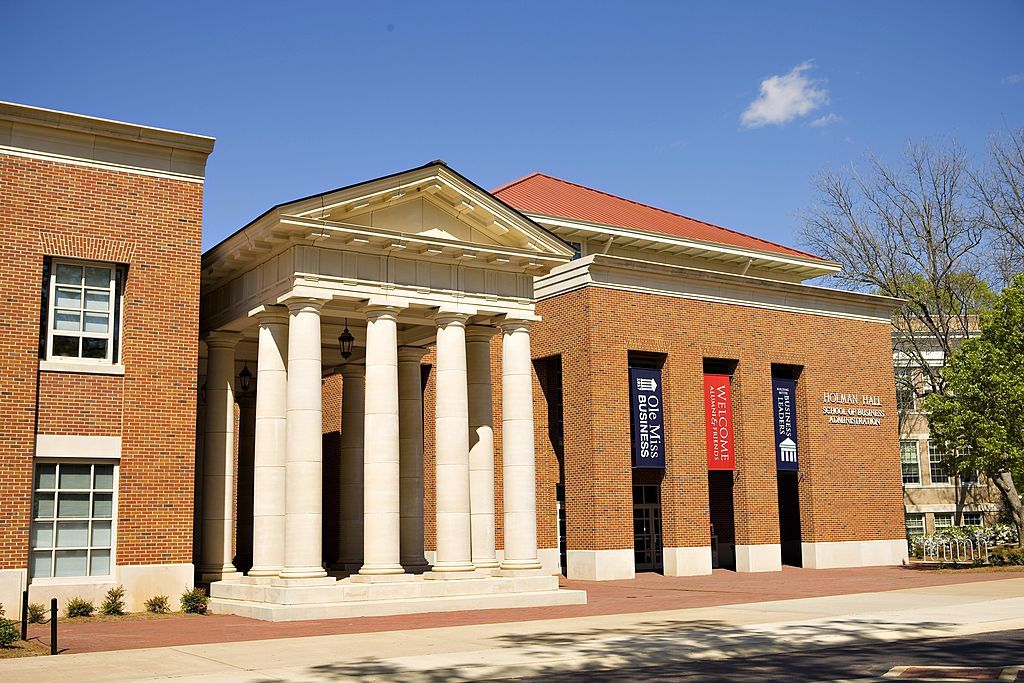
Investigators looking into the deaths of two University of Mississippi students have recovered packaged kratom, a largely unregulated herbal substance with opioid-like properties, according to the Lafayette County Metro Narcotics team. The announcement came Tuesday, a day after the students were found dead in Oxford, Mississippi.
The narcotics team said in a press release that officers discovered the kratom, which had been purchased from a retail store, while investigating the deaths. However, authorities have not yet established whether the two incidents are connected or whether kratom or any other substance contributed to the fatalities. The deaths are currently being treated as separate cases.

In a statement, the narcotics team said: “Local, state, and federal partners are working collaboratively to gather the facts and provide answers as quickly and responsibly as possible. We are also working closely with the families involved and ask that their privacy be respected during an incredibly difficult time.”
The university also addressed the tragedy on social media, expressing heartbreak and urging the public to avoid speculation about the causes of death. Officials noted that “considerable unverified information is circulating on social media and in the community” and confirmed that the coroner’s office has verified two student deaths, with no additional fatalities reported. University Police remain in contact with local and state law enforcement as the investigation continues.
Kratom’s Legal and Health Risks
Kratom, derived from a tropical tree native to Southeast Asia, contains alkaloids that interact with opioid receptors in the brain. While some users report mood enhancement or relief from opioid withdrawal, the substance is not approved by the FDA and is banned in several states, including Alabama, Arkansas, Indiana, Vermont, and Wisconsin, according to congressional data. Its legal status remains a gray area at the federal level, though there is growing momentum to classify it as an illicit substance.
As a precaution, the narcotics team is advising the public to avoid kratom and any other medication or substance not prescribed or obtained from a trusted source. They also highlighted that free Narcan—a medication that can reverse opioid overdoses and has been shown to treat kratom overdose symptoms—is available via vending machines on campus and at locations downtown.
The deaths come amid broader concerns about student well-being on college campuses, though this incident is not directly linked to attendance issues. The university has not released the identities of the deceased, pending notification of next of kin.
This case also touches on the ongoing national debate over kratom regulation. Proponents argue it offers a natural alternative for pain management, while critics point to its potential for abuse and overdose. The discovery in this investigation could add urgency to calls for stricter oversight.
As the probe continues, officials are urging the public to rely on official updates rather than unverified social media posts. The university and local law enforcement have pledged to provide more information as it becomes available.