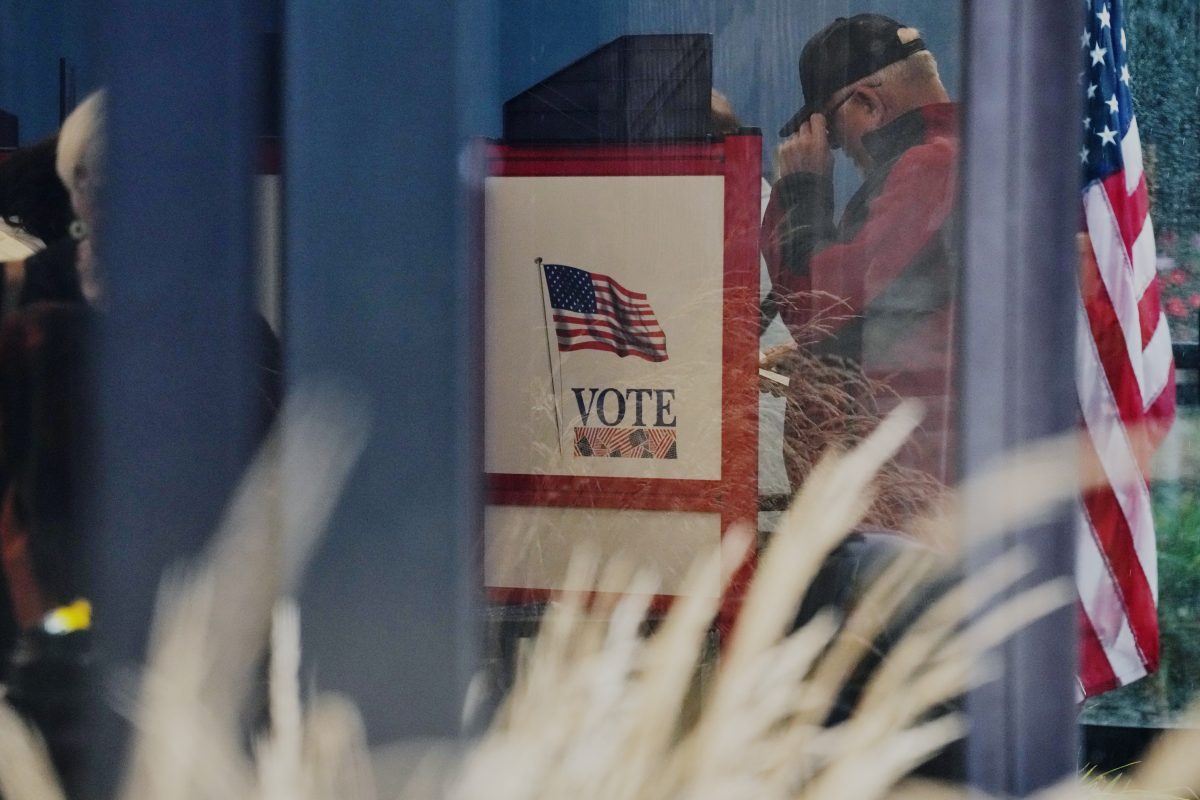
It is a familiar cocktail of hope and dread for Democrats as they head into today's elections. That queasy, "nauseously optimistic" feeling has defined the party since 2016, and it is back in full force. Polling averages and structural indicators suggest a strong night for the party in Congress and statehouses, but the scars of 2016—when Hillary Clinton's expected victory evaporated—loom large. Even as once-unthinkable races in Mississippi, South Carolina, and Kansas become competitive, many Democrats cannot shake the fear that this is all a mirage.
The stakes are brutally simple for the party still smarting from its 2024 presidential defeat: win the Senate or face a reckoning. With the House widely expected to flip, the Senate is the pass-fail test. A senior party operative, a veteran of two presidential campaigns now focused on Senate races, captured the mood: "Another Ted Lasso election. It's the hope that kills you."
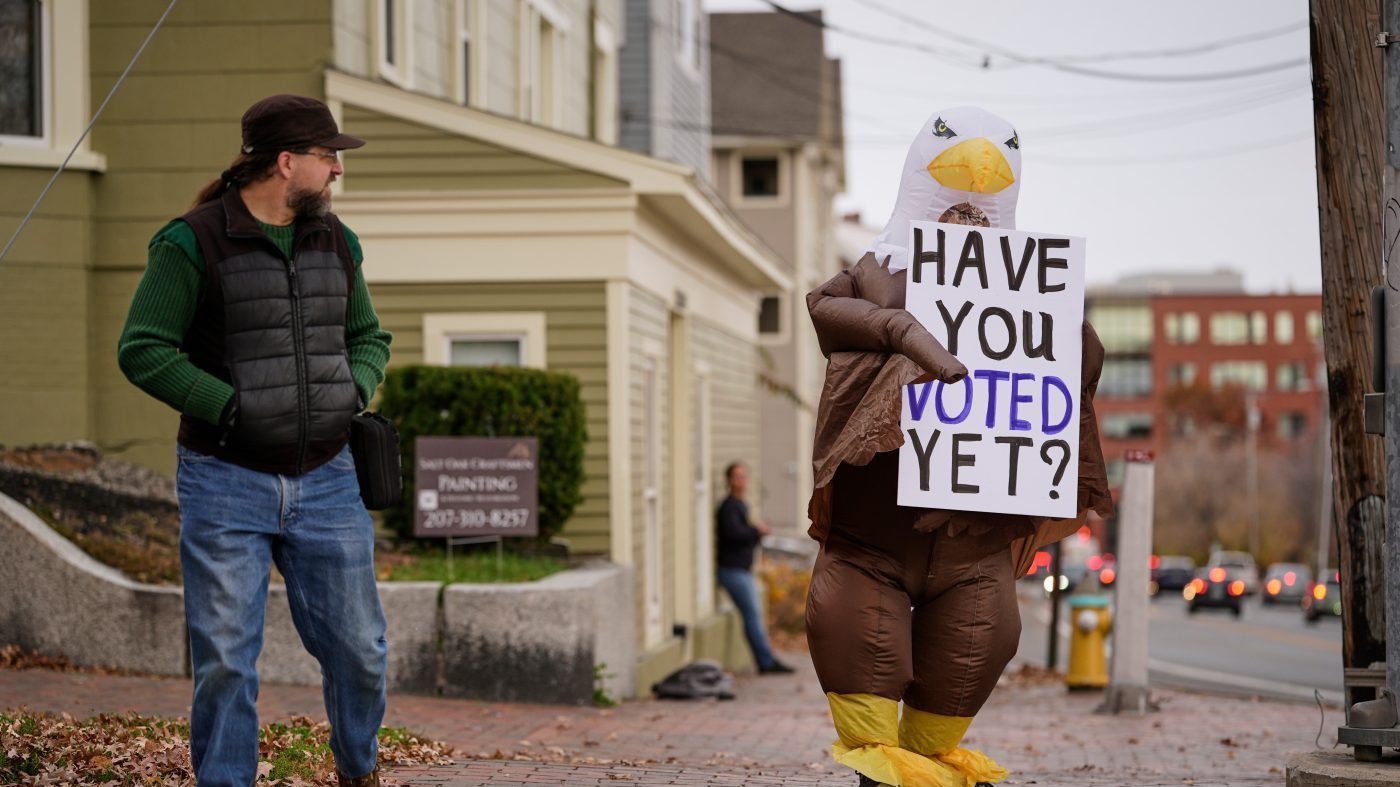
Democrats are expected to pick up seats, with former North Carolina Governor Roy Cooper favored in his state. The question is whether they can win four of the seven remaining toss-up races in Maine, Ohio, Michigan, Iowa, Kansas, Texas, and Alaska. An analysis of high-quality polls shows Democrats leading in all seven, even when adjusted for a polling miss as large as the one in 2006, which understated Republican support by about three points nationally. Iowa remains the lone exception, where the GOP holds a narrow edge.
A sweep of those battlegrounds would give Democrats a 53-seat majority, and the party would be too busy celebrating to mourn the failure to flip deep-red states like South Carolina or Mississippi. A Texas victory would be historic—the first Democratic senator from the state since 1988, and the first non-incumbent since 1970. Such a result would echo 2006, when Democrats won back both chambers despite a polling miss, and it would embolden the party's base heading into the 2028 presidential cycle. That kind of success could make primary voters more willing to take a chance on an untested, inspirational candidate, much as they did with Barack Obama after the 2006 wave.
But what if the wave crashes against a red wall? To keep the Senate, Republicans would need a polling error larger than any seen in a Trump-era presidential race, but state-level data is scarce in places like Alaska and Kansas, and Elon Musk has reportedly poured hundreds of millions into GOP efforts. A narrow Republican hold—perhaps aided by a party switch from Pennsylvania's John Fetterman—would trigger an immediate and bitter blame game within the Democratic coalition.
If Michigan becomes the decisive loss, Representative Haley Stevens could be cast as the villain, with moderates—especially those seen as too close to Israel—taking the fall. Conversely, the party's mainstream would argue that progressive candidates like Abdul El-Sayed and Troy Jackson were foisted on unwilling general electorates. The fractures within Michigan's Democratic unity are already visible, and a bad night could turn them into open warfare.
The fallout would shape the 2028 primary. The left, already radicalizing, would demand "full Robespierre," insisting that a centrist approach failed. But a miss could also make early-state voters more cautious, gravitating toward safer, establishment figures like California Governor Gavin Newsom. The party might even reconsider its approach to red-state moderates in a bid to rebuild the "blue wall."
Democratic primary voters have historically been more strategic than Republicans, but that could change with Trump as a lame duck. Many party leaders believe Vice President Vance would be a weak opponent, which could make electability a secondary concern. Without the threat of Trump, the party's activist core—which sits well to the left of the median voter—might push for a more ideological champion. Alexandria Ocasio-Cortez or another progressive populist could emerge, much as Trump did in 2016, by rallying a committed plurality in a crowded field.
For now, Democrats are holding their breath. The races remain statistical dead heats, and the GOP is openly worried about turnout. The party's post-election strategy for Trump investigations and its position on Israel's fragmented vote will be tested regardless of the outcome. Tonight, the hope is that the polls are right—and the fear is that they are not.