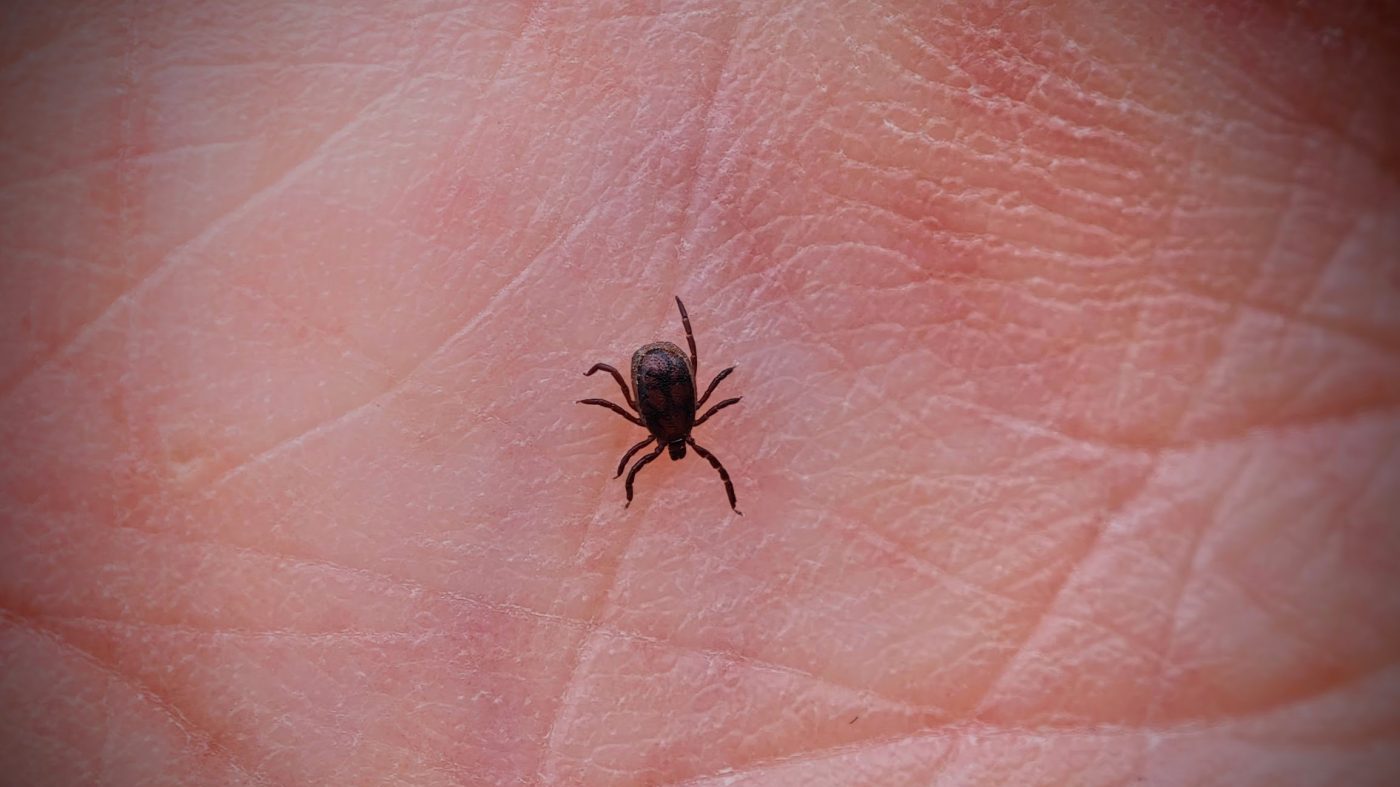
Federal health officials are issuing a stark warning as new data reveals a sharp increase in Americans seeking emergency medical care for tick bites, reaching a level not seen in nearly ten years. The Centers for Disease Control and Prevention (CDC) reports that the surge coincides with the arrival of spring and the approach of summer, peak seasons for tick activity across much of the United States.
During the second week of April, tick bites accounted for 71 out of every 100,000 visits to hospital emergency departments nationwide. This metric represents the highest rate recorded by the agency in approximately a decade, signaling a significant public health concern as outdoor activity increases.

Regional Impact and Public Health Response
The administration's surveillance data indicates the spike is not uniform across the country. The Northeast region has experienced the largest increase in ER visits attributed to tick bites, followed closely by the Midwest. This geographic pattern aligns with known habitats for ticks that carry Lyme disease and other pathogens.
"This data is a critical reminder that vector-borne diseases present a persistent and growing challenge to public health infrastructure," a public health analyst noted, drawing a parallel to other complex policy challenges where data drives the response. The situation underscores the intersection of environmental policy and healthcare, much like debates over regulatory standards that affect both public lands and community health.
Risks and Preventative Measures
Ticks are capable of transmitting a variety of bacteria, viruses, and parasites that cause serious illnesses, including Lyme disease, anaplasmosis, and babesiosis. The CDC emphasizes that prevention is the most effective strategy against these diseases.
The agency's primary recommendations for avoiding tick bites include staying away from wooded, brushy areas with high grass and accumulations of leaf litter. They also advise conducting thorough, daily checks on pets that spend time outdoors, as animals can carry ticks into homes. Vigilance after spending time in potential tick habitats is crucial for early detection and removal.
This public health alert arrives amid a broader political landscape where domestic policy and international affairs often dominate headlines, from high-stakes electoral reforms to tense naval standoffs in strategic waterways. The tick data serves as a reminder of the ongoing, ground-level policy work within federal health agencies.
The surge in ER visits may reflect several factors, including increased tick populations due to milder winters, greater human encroachment into tick habitats, or heightened public awareness leading to more people seeking care. It also tests the capacity of local healthcare systems during a busy season, a concern that echoes in other policy realms like systemic challenges within public institutions.
Health officials stress that while the data is concerning, prompt and proper tick removal greatly reduces the risk of disease transmission. They recommend using fine-tipped tweezers to grasp the tick as close to the skin's surface as possible and pulling upward with steady, even pressure.
As the summer months approach, the CDC's findings highlight a recurring yet escalating public health issue that requires coordinated response from individuals, communities, and local governments. The data will likely inform future resource allocation for vector-borne disease prevention and surveillance programs at both state and federal levels.