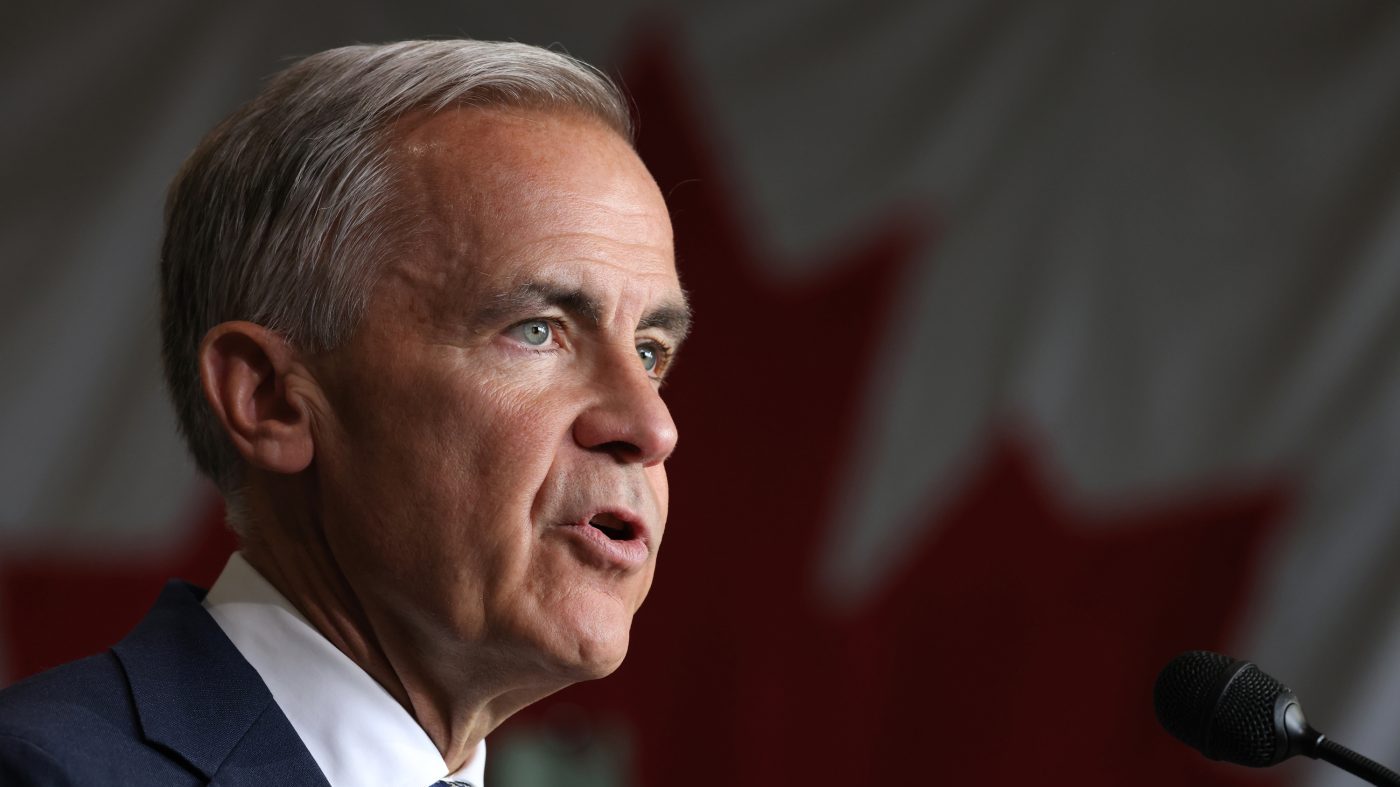
Canadian Prime Minister Mark Carney forcefully denounced the Trump administration's latest trade salvo on Monday, after President Donald Trump signed three executive orders imposing a 50 percent tariff on a broad array of Canadian exports. Carney characterized the move as a flagrant breach of the United States-Mexico-Canada Agreement (USMCA), the trilateral trade pact that replaced NAFTA.
"This trade dispute has raised costs for families, particularly in the U.S.," Carney said in a statement posted on X. "Canada stands ready to engage intensively to address outstanding issues with the U.S. to the mutual benefit of our citizens." The prime minister emphasized that the new duties represent "the latest in a series of tariffs in direct violation" of the USMCA.

The White House, however, justified the tariffs by accusing Canada of maintaining "discriminatory" trade policies that hurt American exporters. The three executive orders specifically target what the administration calls unfair restrictions on U.S. automobiles, alcohol, and dairy products entering the Canadian market.
Scope of New Tariffs
The 50 percent levy applies to a wide range of goods, including wine, hockey sticks, cement, furniture, paper, plywood, and dairy products. Unlike previous tariffs on Canadian steel, aluminum, softwood lumber, and timber, these new measures offer no exemptions for products covered under the USMCA. The tariffs will take effect 30 days after signing and are enforced under Section 338 of the Tariff Act of 1930, a rarely used provision that allows for retaliatory duties up to 50 percent on imports from countries deemed to discriminate against U.S. commerce.
Carney noted that Canada has spent the past 18 months drafting proposals to modernize the USMCA in response to shifting U.S. trade policies. "We stand ready to intensify those discussions in the coming weeks," he said, signaling Ottawa's willingness to negotiate but also its resolve to push back.
Broader Context of US-Canada Tensions
The tariff escalation is the latest flashpoint in a broader campaign by the Trump administration to extract more favorable terms from Canada. Over the past year, Trump has ramped up economic pressure and even floated the idea of annexing Canada as a "51st state," a suggestion that has sparked outrage among Canadian citizens. The trade war has already raised costs for consumers and businesses on both sides of the border.
Adding another layer of friction, Trump previously threatened to impose levies on Canada after wildfire smoke from the country drifted into parts of the northeastern and Midwestern United States. White House officials, speaking on a Monday call with reporters, insisted that the 50 percent tariffs are not linked to the wildfires, though they acknowledged that the president has been presented with options for addressing the smoke issue. Trump's earlier threats over wildfire smoke had already strained bilateral ties.
Carney's response underscores the deepening rift between the two allies, as Canada seeks to defend its trade interests while avoiding a full-blown economic confrontation. The coming weeks will test whether diplomatic engagement can defuse the standoff or whether the USMCA faces its most serious challenge yet.