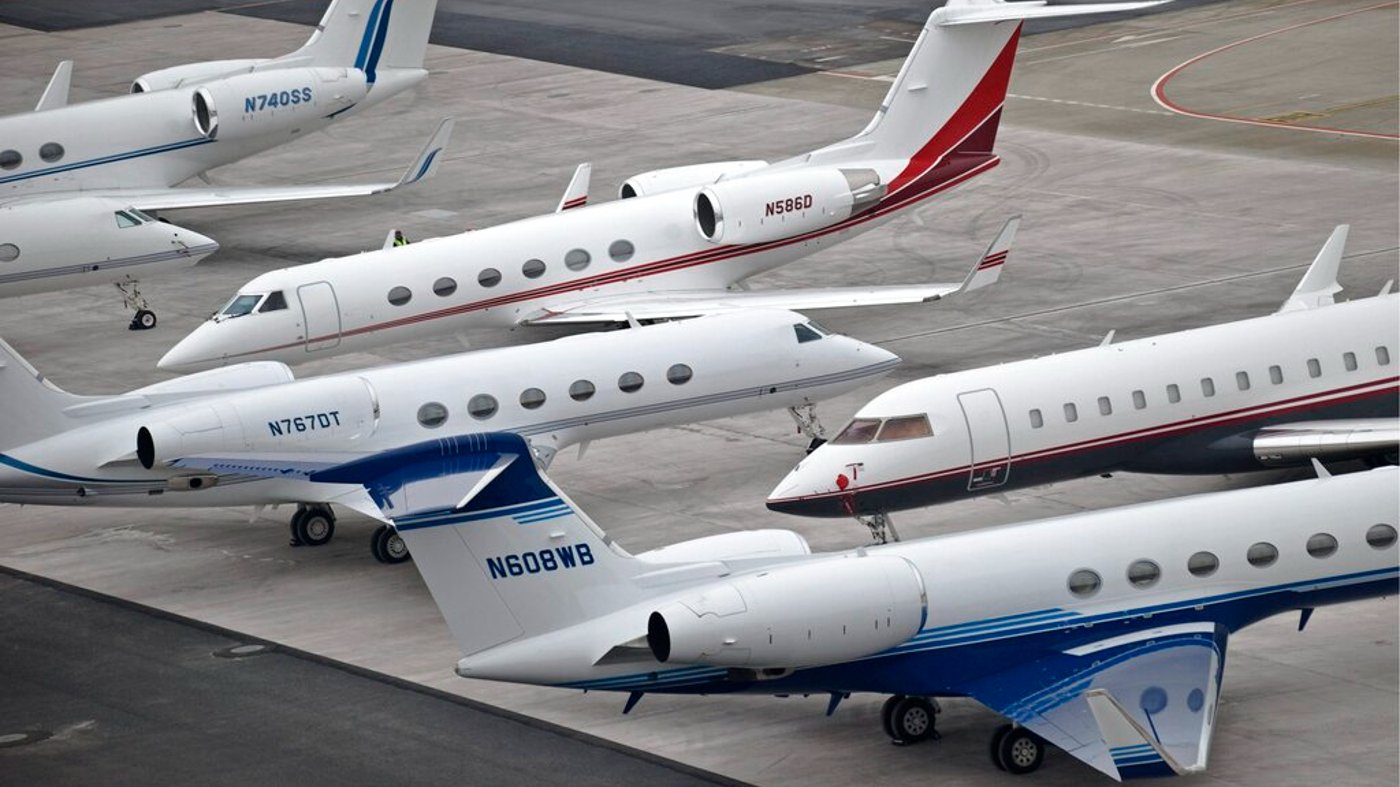
A recent Hill op-ed attempted to leverage the global spotlight of the FIFA World Cup to attack business aviation, a vital U.S. industry. The piece, however, cherry-picked data from a 39-day tournament and ignored the sector's substantial environmental progress.
Experts consistently note that business aviation contributes a minuscule share of transportation emissions. Despite this small footprint, the industry has cut emissions by 40% over the past four decades—a feat achieved through innovations like lightweight composites, winglets, and satellite-based avionics. These are not incremental tweaks; they represent a fundamental overhaul of how aircraft are designed and operated.

Looking ahead, the sector is committed to reaching net-zero emissions. Key strategies include developing more efficient engines, exploring electric, hybrid, and hydrogen propulsion, and scaling up sustainable aviation fuel (SAF), which can reduce lifecycle greenhouse gas emissions by up to 80% compared to conventional jet fuel.
Earlier this year, business aviation leaders worked with U.S. House lawmakers to advance legislation that expands the Department of Agriculture's biofuels programs to include SAF. This bipartisan effort reflects a broader recognition that SAF's benefits extend far beyond aviation. According to the Americans for Clean Aviation Fuels Coalition, domestic SAF production could add over $78 billion to GDP and support more than 400,000 jobs by 2036—boosting rural economies and enhancing U.S. energy independence. For context on related policy debates, see similar federal oversight issues.
The economic stakes are equally significant. Business aviation supports 1.3 million American jobs and generates $340 billion in economic activity annually. During the World Cup, this industry drove a surge in business at airports, hotels, restaurants, and other local enterprises near host cities—an impact that critics conveniently overlook.
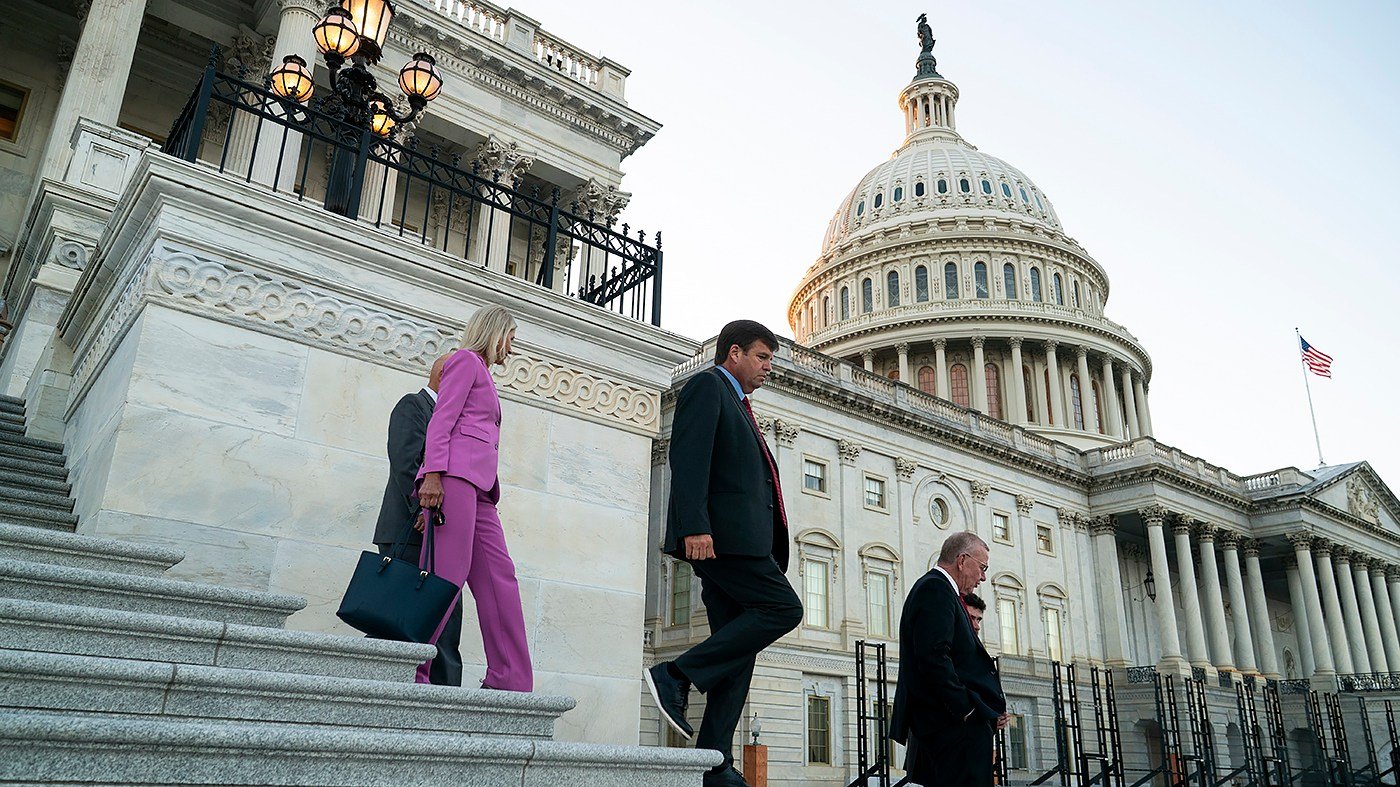
Congress has shown leadership by partnering with the industry on sustainability initiatives. It's unfortunate that some commentators present such a skewed view of an essential sector's record. As other transportation debates show, policy should be grounded in facts, not rhetoric.
The business aviation community remains committed to transparency and continuous improvement. While no industry is perfect, the data is clear: business aviation is a small emitter, a significant economic engine, and a leader in clean technology innovation. The World Cup provided a showcase for that leadership—not a reason for unfair attacks.
Ed Bolen is President and CEO of the National Business Aviation Association.