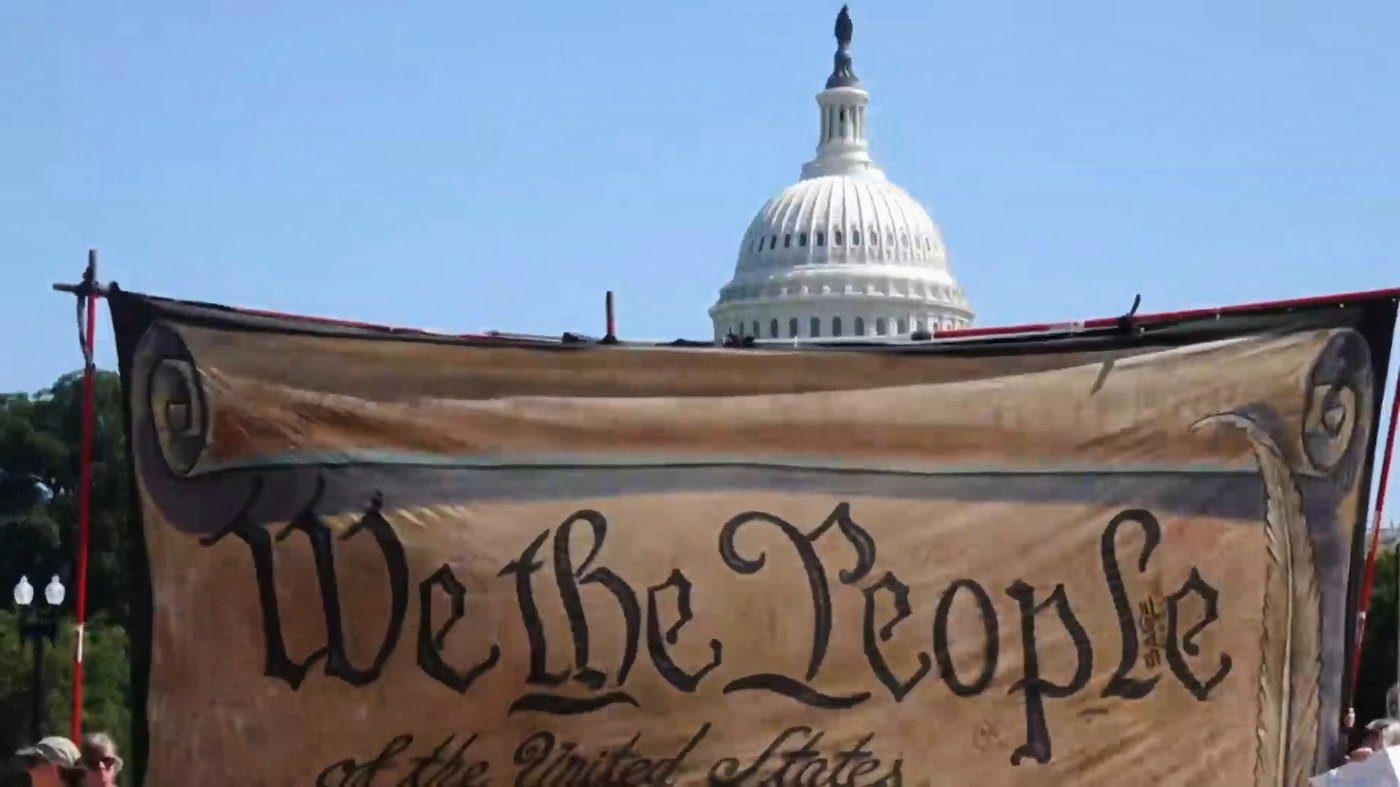
As the nation marks the 250th anniversary of the Declaration of Independence, it's worth recalling Benjamin Franklin's sobering response when asked what kind of government the framers had created: "A republic, if you can keep it." Those six words, as political strategist Donna Brazile writes, are not just a historical footnote—they are a charge to every American.
Brazile, a former chair of the Democratic National Committee and ABC News contributor, reflects on the long arc of American democracy in a new essay. She notes that the 13 colonies' victory over the British Empire and the creation of a democratic republic was miraculous, but sustaining it has proven even harder. The republic has survived, expanded voting rights, abolished slavery, and outlawed many forms of discrimination—but none of that came without sacrifice.
Franklin understood, Brazile writes, that rights and freedoms are not guaranteed. They require constant effort. On this anniversary, she argues, his words guide not just where we've been but where we're going. The task of preserving democracy cannot be left to presidents, lawmakers, or the wealthy. It is a responsibility for every citizen.
That responsibility means voting in every election, accepting results even when your candidate loses, respecting the rule of law, and using nonviolent means to change unjust laws. It means teaching children the duties of citizenship. Brazile warns that when we begin to see those we disagree with as enemies rather than fellow Americans, we lose sight of what makes the country exceptional.
Democracy was never designed to eliminate disagreement, she writes. It was designed to resolve differences through compromise and at the ballot box—not with bullets. The Constitution's goal of forming "a more perfect union" remains unfinished, but progress has come from Americans across all parties working together.
Brazile draws on her own career, with its victories and defeats, to illustrate that through it all, Americans have kept working together across political, racial, and religious lines. She points to neighbors helping after disasters, military families sacrificing, teachers inspiring, and volunteers staffing polling places as evidence that the republic endures.
The founders, she notes, could not have imagined a Black president or Black vice president—yet those milestones have come to pass. To carry on their work, she urges Americans to seek cooperation over confrontation and embrace the idealism of the Declaration of Independence. "Working together, struggling to overcome obstacles," she writes, "I believe we are up to the task."
Brazile's essay echoes themes in recent polling that shows only 45% of Democrats feel pride in American citizenship, a sign of the polarization Franklin warned about. But she insists the republic's survival depends on ordinary citizens stepping up—not just on leaders in Washington.