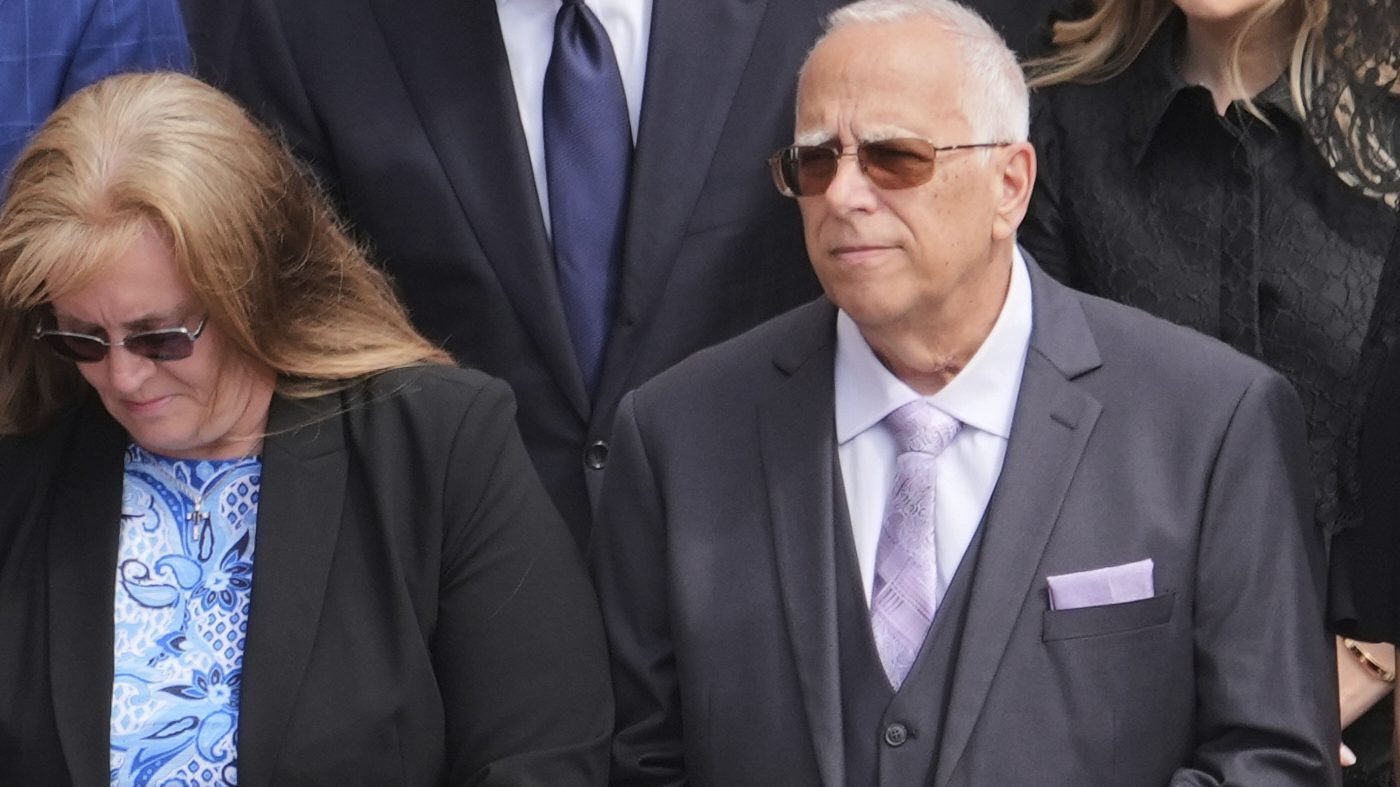
Police in New Lenox, Illinois, conducted a full-scale security response Wednesday night following a bomb threat directed at the home of Louis Prevost, the brother of Pope Leo XIV. The threat, which prompted evacuations and a sweep by bomb-sniffing dogs, was ultimately found to be unsubstantiated. No injuries were reported, and residents were permitted to return to their homes.
Investigation into Threat Origin
The New Lenox Police Department confirmed the incident remains under active investigation as authorities work to trace the source of the report. In their statement, police emphasized the severity of making false threats, noting such actions "may result in criminal charges." The department also thanked the local community for its cooperation during the disruption.
"Anyone with information related to this incident is encouraged to contact the NLPD," the statement concluded, providing contact details for tips. The event underscores ongoing tensions surrounding the politically active Prevost family, which have recently been amplified on the national stage.
Political Context and Trump's Endorsement
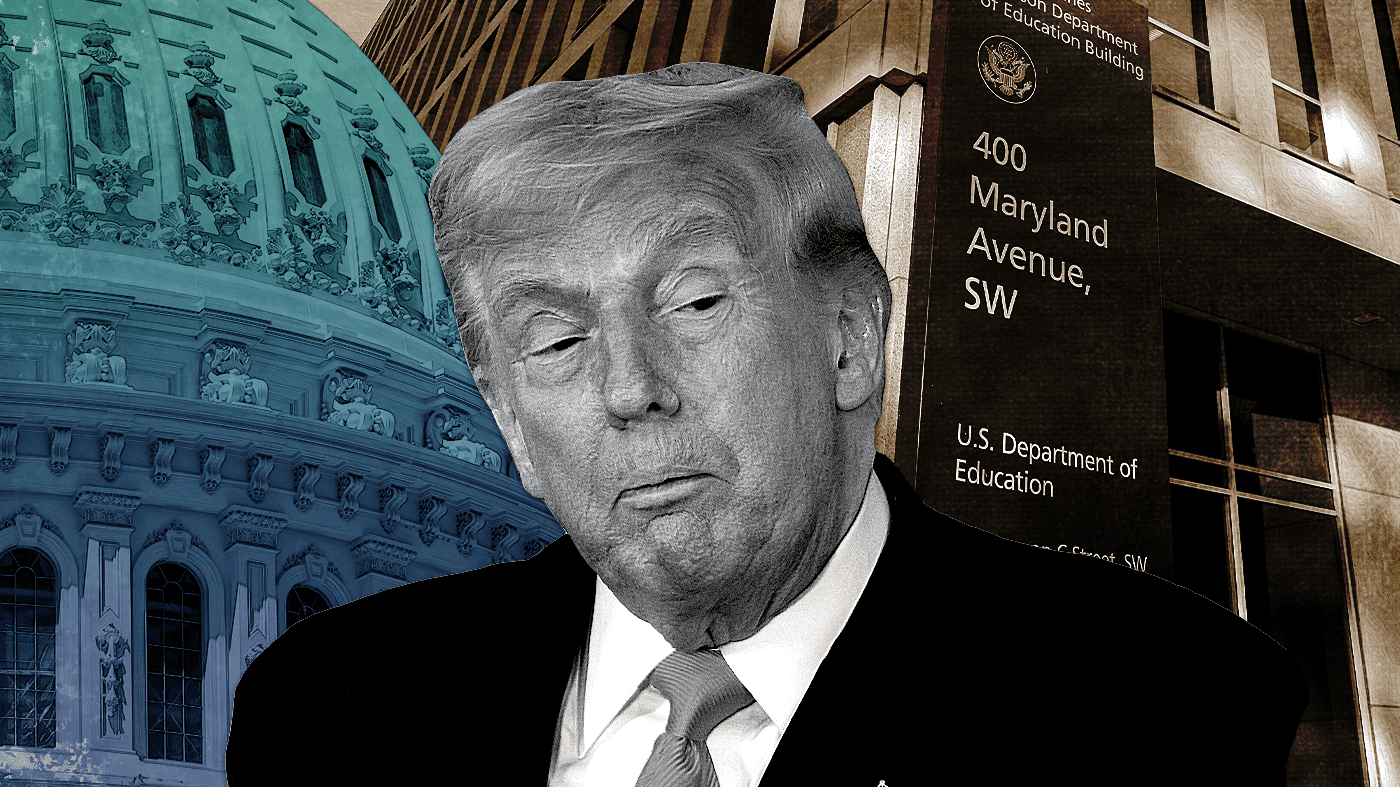
The security scare follows direct political commentary from former President Donald Trump, who publicly aligned himself with Louis Prevost earlier this week. On his Truth Social platform, Trump criticized Pope Leo XIV's recent calls for peace and de-escalation regarding U.S. military involvement in Iran, contrasting them with the views of the pontiff's brother.
"Louis is all MAGA. He gets it, and Leo doesn't!" Trump wrote. "I don't want a Pope who thinks it's OK for Iran to have a Nuclear Weapon." This endorsement placed Louis Prevost, a private citizen, squarely into a heated geopolitical debate. The broader conflict with Iran carries significant economic risks, with the International Monetary Fund warning it could threaten global stability.
Broader Implications of Threats Against Public Figures
This incident highlights the volatile intersection of religion, family, and high-stakes politics. Targeting the family member of a global religious leader represents an escalation in tactics often used to intimidate or protest political stances. The response from local law enforcement, while effective, points to the resource burdens such threats impose.
Similar patterns of threats have emerged in other contentious political arenas. For instance, the Capitol Police Union is preparing a no-confidence vote against its commanders, reflecting deep-seated security concerns in politically charged environments. Furthermore, legal battles like the McKesson First Amendment case could reshape how protest organization—and by extension, threats—are legally addressed.
Geopolitical Tensions and Nuclear Doctrine
Trump's remarks explicitly tie the personal threat to the international debate over nuclear non-proliferation and preventive action. His criticism of Pope Leo XIV centers on the Vatican's diplomatic approach to Iran, a nation whose nuclear ambitions remain a flashpoint. This aligns with a shifting global discussion on preemptive strikes, as recent UN interpretations have begun to recognize non-imminent nuclear threats as potential justification for military action.
The focus on Iran's capabilities comes as other adversarial states also advance their programs. Concurrently, North Korea continues to accelerate its nuclear arsenal expansion, according to IAEA warnings, creating a multi-front challenge for U.S. foreign policy and defense planning.
While the bomb threat in Illinois proved false, it acts as a domestic reverberation of intense international disagreements. It demonstrates how global policy disputes can manifest as local security incidents, targeting individuals connected to influential figures. The investigation will now determine whether the threat was a random act, a politically motivated intimidation attempt, or a response to the heightened visibility created by Trump's endorsement.