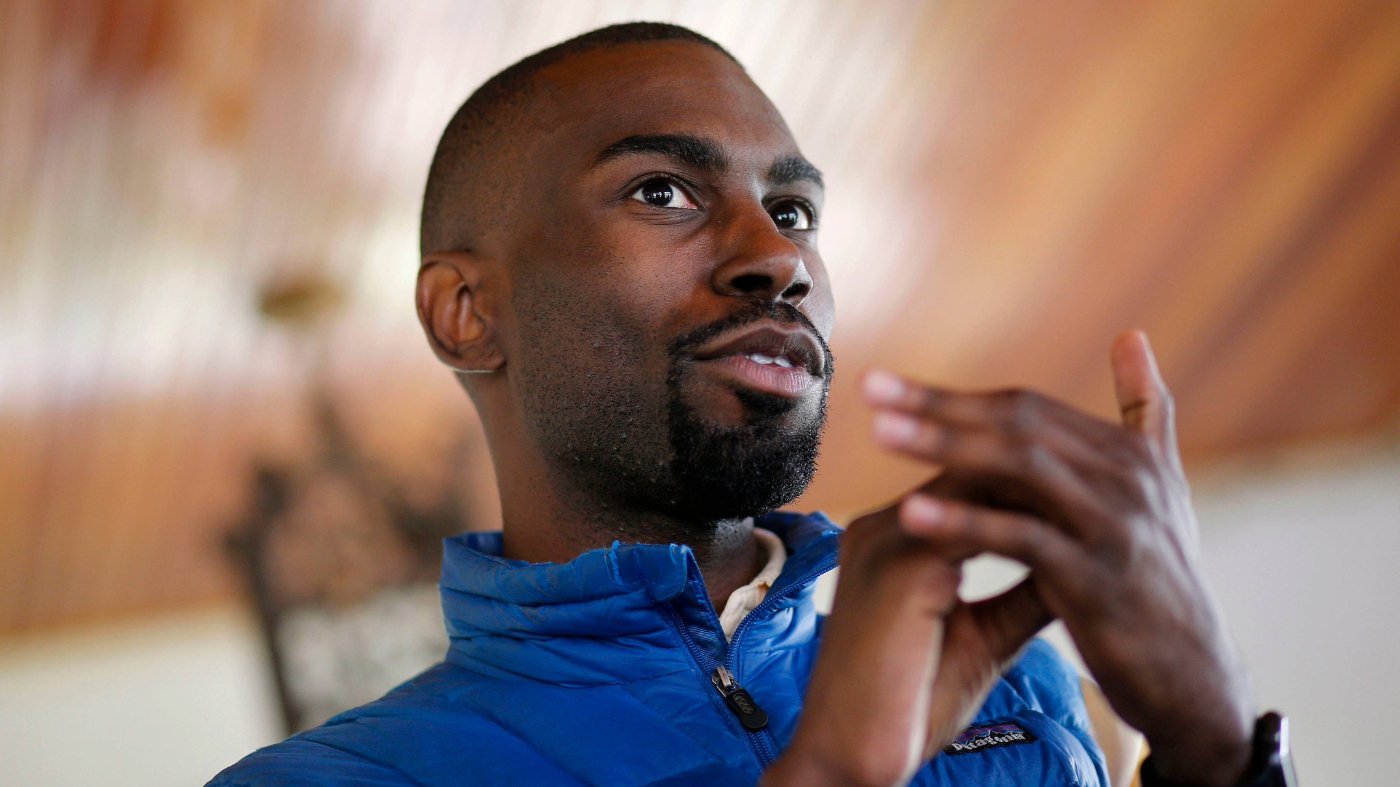
A federal appeals court ruling has placed America's foundational protest rights in jeopardy, threatening to hold political organizers financially responsible for the independent actions of others. The case against Black Lives Matter activist DeRay McKesson, winding through courts since 2016, tests whether the First Amendment protects those who organize demonstrations from liability when isolated participants commit unlawful acts.
From Founding Principle to Legal Precedent
Political protest has fueled American democracy since colonial resistance to the Stamp Act and Tea Act established the nation's revolutionary character. The First Amendment's protection of assembly and speech has enabled every major social movement, from women's suffrage to civil rights. Yet this eight-year legal battle demonstrates how courtroom interpretations can erode constitutional guarantees through incremental legal reasoning.
In 2016, McKesson helped organize a Baton Rouge protest following the police shooting of Alton Sterling. During the demonstration, an unidentified individual threw a rock that struck a police officer. The injured officer sued McKesson—not the rock-thrower—arguing the activist bore responsibility for organizing the event where violence occurred.
Supreme Court Precedent Versus New Interpretation
The Supreme Court established clear protections in its 1982 NAACP v. Claiborne Hardware decision, shielding protest leaders from liability for others' violent acts except in narrow circumstances requiring specific intent. That ruling prevented organizers from facing million-dollar judgments simply for exercising constitutional rights.
Now, a federal appeals court has diverged from this precedent, ruling McKesson must stand trial because violence was "reasonably foreseeable" when organizing a protest. This negligence standard—typically applied to car accidents or medical malpractice—represents a dangerous expansion into political speech territory. As seen in recent legal battles over historical narratives, courtroom strategies increasingly target speech through indirect liability claims.
The Chilling Effect on Political Participation
Legal experts warn that imposing negligence standards on protest organization would create unacceptable financial risks for activists. Potential six- or seven-figure damage awards—not hypothetical figures, as demonstrated in the Claiborne case—would deter citizens from organizing demonstrations, particularly those without institutional backing or deep financial resources.
This case arrives amid broader conflicts over protest rights and government response. Similar tensions surface in international contexts, such as when military actions respond to geopolitical challenges, though constitutional protections distinguish domestic protest from foreign policy enforcement.
Broader Implications for Speech Rights
The Supreme Court recently reinforced that true threats require subjective intent, not mere negligence, emphasizing the higher standard for speech-related prosecutions. Applying lower civil liability standards to protest organization creates contradictory legal principles that could undermine decades of First Amendment jurisprudence.
Whether one supports McKesson's message or Black Lives Matter's platform is constitutionally irrelevant—the protection extends to all political speech. As demonstrated in recent settlements protecting symbolic expression, speech rights form an interconnected web where weakening one strand threatens the entire structure.
Looking Forward
As McKesson's case potentially heads toward Supreme Court review, its outcome will determine whether protest organizers must weigh constitutional rights against bankruptcy risks. The decision could reshape political mobilization during a period of intense social activism, potentially chilling the very dissent that has driven American progress for 250 years.
The legal strategy employed against McKesson mirrors tactics seen in other contentious areas, from social media liability cases to political defamation claims. What distinguishes this case is its direct assault on the organizational infrastructure of social movements, threatening to convert constitutional rights into calculable financial liabilities.