With the nation's 250th anniversary approaching in 2026, a contentious struggle over how American history is presented has moved from cultural debates to concrete legislative and legal battles. At the center of this conflict are efforts to preserve narratives about slavery and resistance that some political actors have sought to diminish or remove from public institutions.
Congressional Response to Historical Revisionism
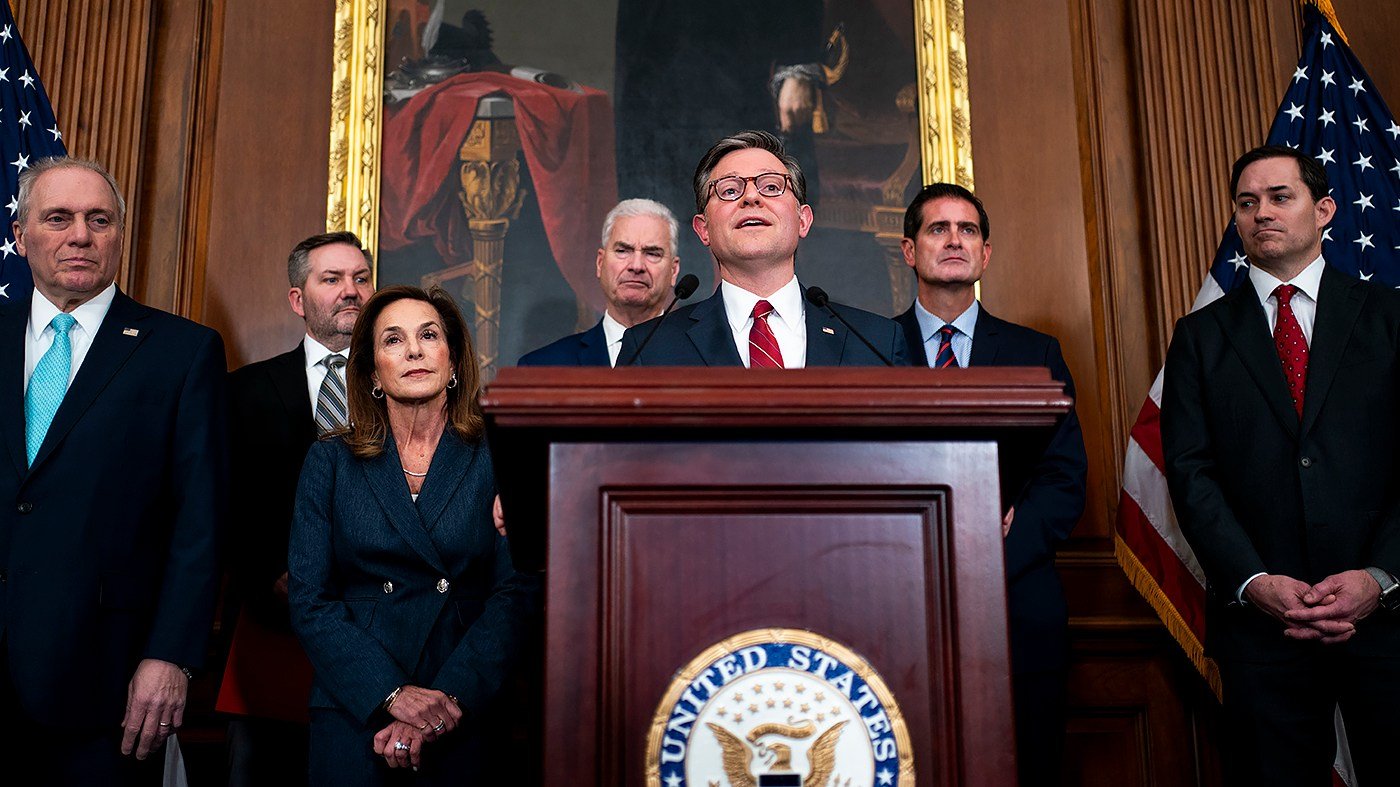
In late February, Representative Ayanna Pressley of Massachusetts introduced a congressional resolution designed to shield Black history museums and cultural centers from political interference. The measure calls for guaranteed federal protection and funding, framing these institutions as essential guardians of historical accuracy. "Without Black history, America has none," Pressley asserted, positioning her resolution as a defensive measure against what she describes as systematic attempts to whitewash the nation's past.
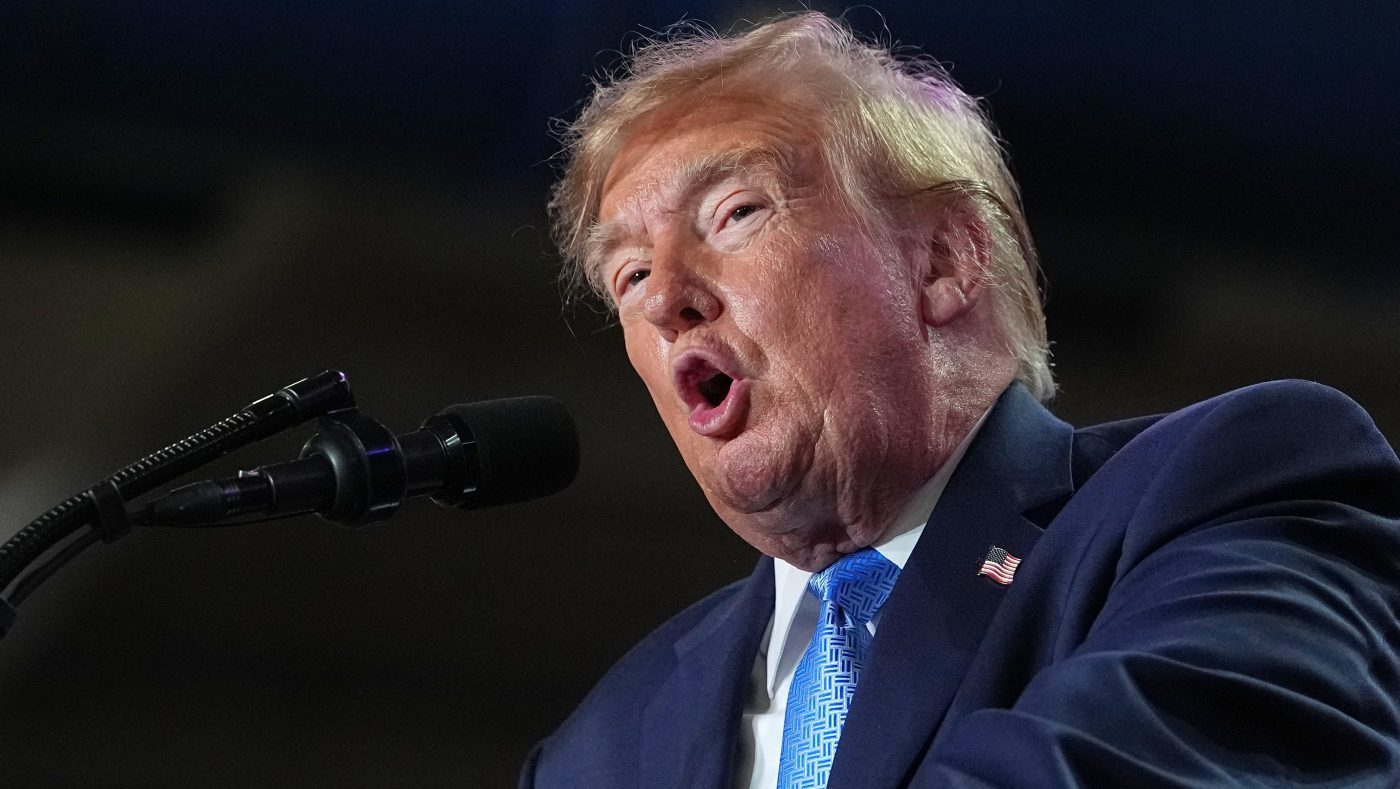
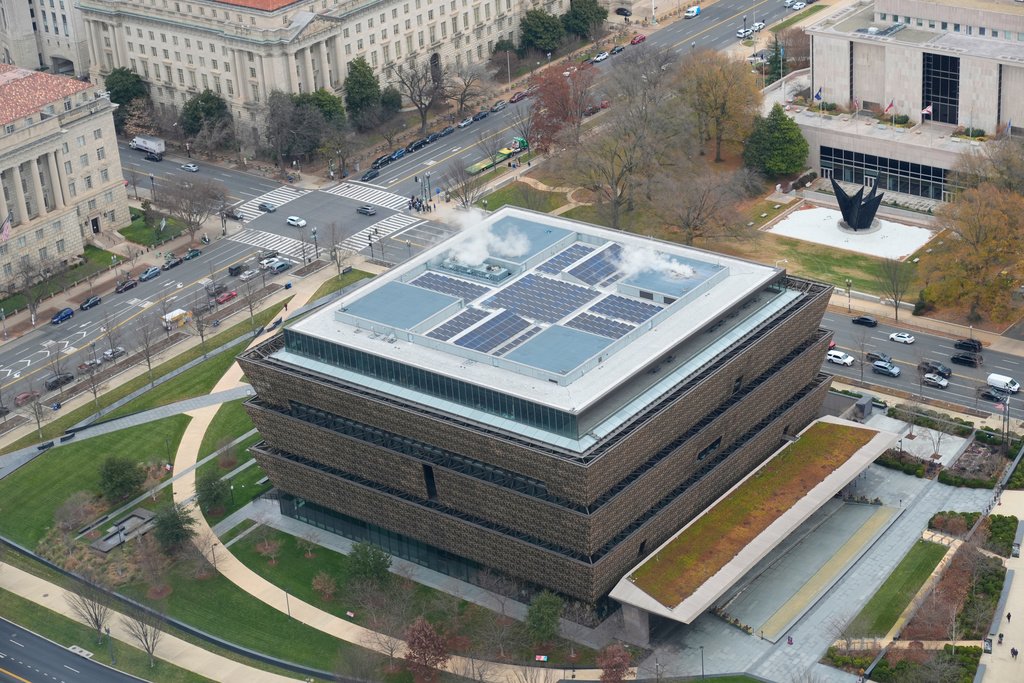
This legislative push follows reports that the National Park Service had altered exhibits concerning Harriet Tubman and the Underground Railroad, actions that sparked public backlash and partial reversals. Critics trace these incidents to a 2020 executive order from the Trump administration that targeted what it called "divisive concepts" in federal institutions, which led to the resignation of the National Museum of African American History and Culture's director.
Legal Challenges and Broader Legislation
The political fight has now entered the courtroom. On March 20, the Underground Railroad Education Center in Albany, New York, filed a federal lawsuit against the National Endowment for the Humanities. The institution alleges that a $250,000 grant for its expansion was unlawfully rescinded based on racial discrimination, creating a direct legal test of current administration policies regarding diversity, equity, and inclusion initiatives.
This lawsuit coincides with broader legislative efforts. Just one week earlier, Representative Kweisi Mfume of Maryland and Senator Cory Booker of New Jersey introduced the African American History Act of 2026. The bill would authorize $20 million over five years to enable the National Museum of African American History and Culture to distribute educational materials directly to students and educators nationwide, potentially circumventing local restrictions. This legislative maneuver reflects how legal showdowns over regulatory authority are becoming increasingly common across different policy domains.
State-Level Gridlock and National Implications
Parallel conflicts are unfolding at the state level, where initiatives like Florida's proposed Museum of Black History remain stalled in legislative deadlock. These impasses reflect the tension between commemorative projects and political movements opposing certain diversity initiatives, illustrating how historical preservation has become entangled in broader cultural wars.
The accumulating legal and legislative actions suggest that protecting Black historical narratives has evolved from symbolic celebration to active institutional defense. As with other high-stakes policy fights currently dividing Congress, the battle over historical interpretation carries significant constitutional and administrative implications regarding how federal resources are allocated and what narratives receive official sanction.
International Context and Reparations Debate
Advocates frame this struggle within both international human rights frameworks and domestic policy debates. United Nations bodies have emphasized that educating populations about historical injustices is essential to dismantling systemic racism. Meanwhile, proponents connect historical preservation to the ongoing reparations discussion, noting that a commission to study slavery's legacy—reintroduced annually since 1989—remains unestablished.
This multifaceted conflict demonstrates how historical interpretation has become a proxy for deeper political divisions as the nation approaches its semiquincentennial. The outcome will likely influence not only what Americans learn about their past but how institutions navigate the intersection of education, politics, and civil rights in coming years.