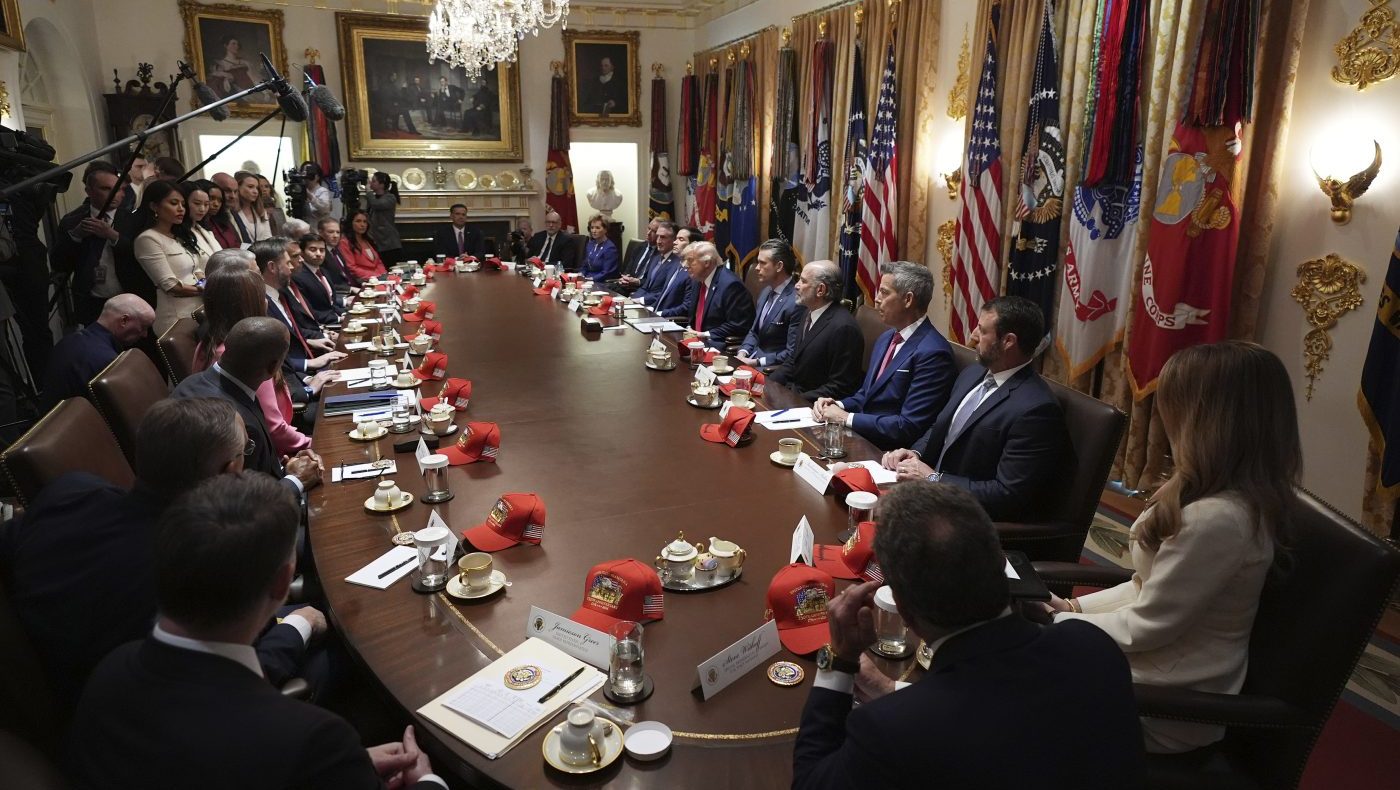
President Trump convened the twelfth Cabinet meeting of his second term on Wednesday, addressing the ongoing conflict with Iran, new measures to prevent Ebola from reaching U.S. shores, and the political implications of a key primary victory in Texas.
Secretary of State Marco Rubio briefed the room on diplomatic efforts to contain the Ebola outbreak in Africa and outlined enhanced screening protocols for travelers arriving from affected regions. The administration announced that passengers who have been in Congo, South Sudan, or Uganda within the past 21 days can now only enter through three designated airports: George Bush Intercontinental in Houston, Washington Dulles, and Hartsfield-Jackson Atlanta.
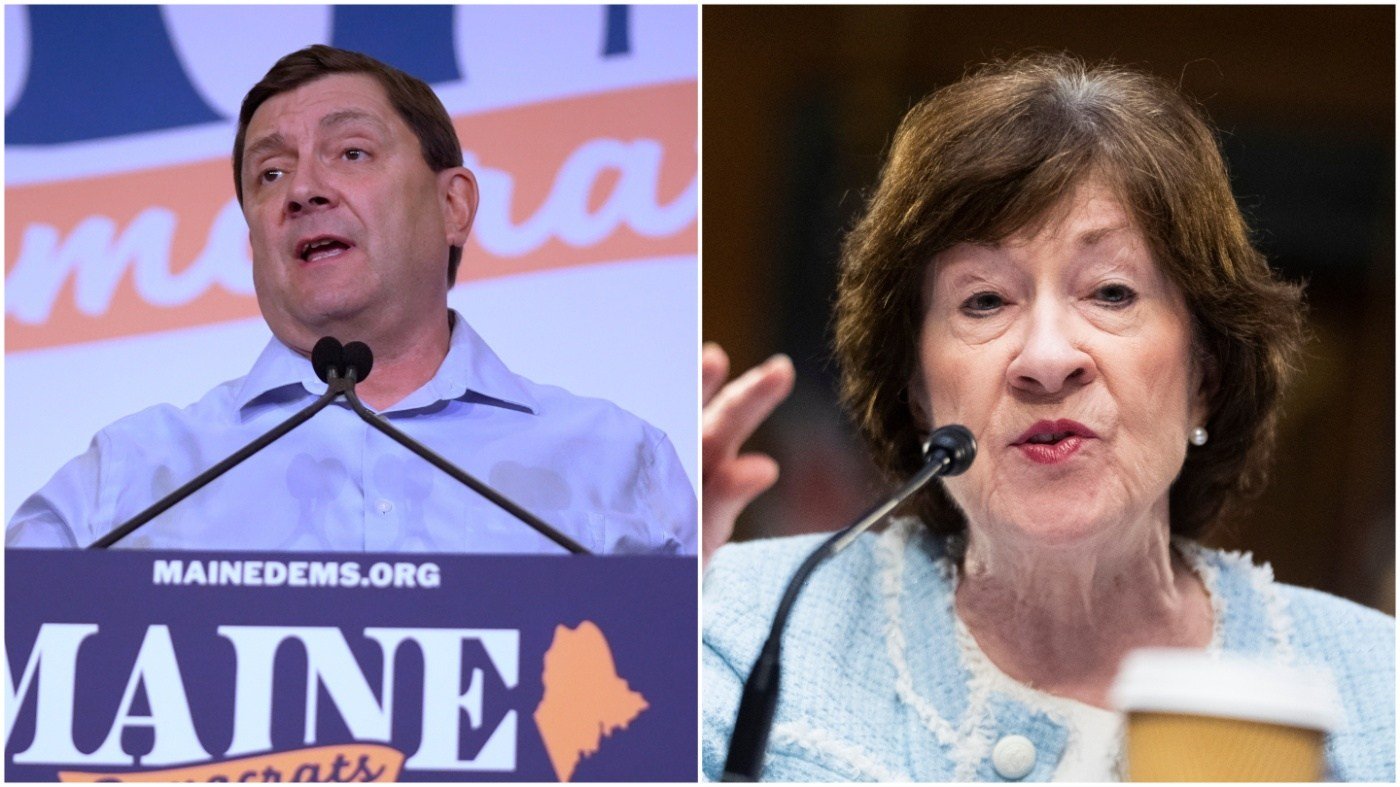
Trump used the meeting to dismiss any notion that the upcoming midterm elections are influencing his approach to negotiations with Iran. “They thought they were going to outwait me, you know, ‘we’ll outwait him, he’s got the midterms,’” Trump said. “I don’t care about the midterms; look what happened last night, that was the prelude to the midterms,” he added, referencing Ken Paxton’s defeat of incumbent Sen. John Cornyn in the Texas Republican Senate primary runoff.
Despite Trump’s confidence, many Republicans face headwinds: his approval ratings remain low, inflation and gas prices have spiked amid the war in Iran, and the Gallup Economic Confidence Index plunged to negative 45 in May. An AP-NORC poll found 67% of Americans disapprove of his handling of the economy.
Rubio emphasized the administration’s commitment to preventing Ebola from entering the U.S. “Our number one obligation … even our foreign policy, the number one priority of our foreign policy is to protect the American people,” he said. “We cannot and will not allow any cases of Ebola into the United States.” He noted that the State Department, CDC, and HHS are working to contain the outbreak abroad and are “tracking people” to ensure no infected individuals reach the country.
On Iran, Trump offered few new details about a potential deal, though he maintained that Tehran “wants very much to make a deal.” He rejected the idea of a third country—such as China or Russia—taking Iran’s enriched uranium, and said the U.S. is not considering sanctions relief in the initial phase, though it could unfreeze Iranian assets “if they behave properly.”
“They are starting to give us the things they have to give us and if they do, that’s great, and if they won’t, then the man on my left will have to finish them off,” Trump said, gesturing to Defense Secretary Pete Hegseth.
The White House dismissed a draft memorandum of understanding published by Iranian state media as a “complete fabrication.” That document claimed the U.S. would lift its naval blockade and withdraw troops from around Iran in exchange for Tehran restoring shipping through the Strait of Hormuz to pre-war levels within a month. Rubio acknowledged “some progress” but said it remains to be seen whether a deal can be reached in the coming hours or days.
The meeting underscored the administration’s dual focus on foreign policy and domestic politics as the midterm campaign intensifies. With the Texas primary serving as a bellwether, Trump’s team is betting that a hard line on Iran and a robust public health response will resonate with voters—even as economic anxieties mount.